TableView
Tableview vs Lightspeed

Tableview vs. Lightspeed — Which POS is Right for Your Restaurant?

Both Tableview and Lightspeed offer POS solutions, but they are built with different priorities in mind. This comparison highlights how Tableview differs from Lightspeed in operational depth, flexibility, and long-term scalability so you can choose the platform that best fits how you actually operate.

Tableview vs. Lightspeed —  Which POS is Right for Your Restaurant?

A POS Choice That Goes Beyond the Checkout

Choosing a POS platform is not just about processing sales.

It’s about how well the system supports kitchens, payments, inventory, reporting, and growth over time.

Hospitality-First Platform

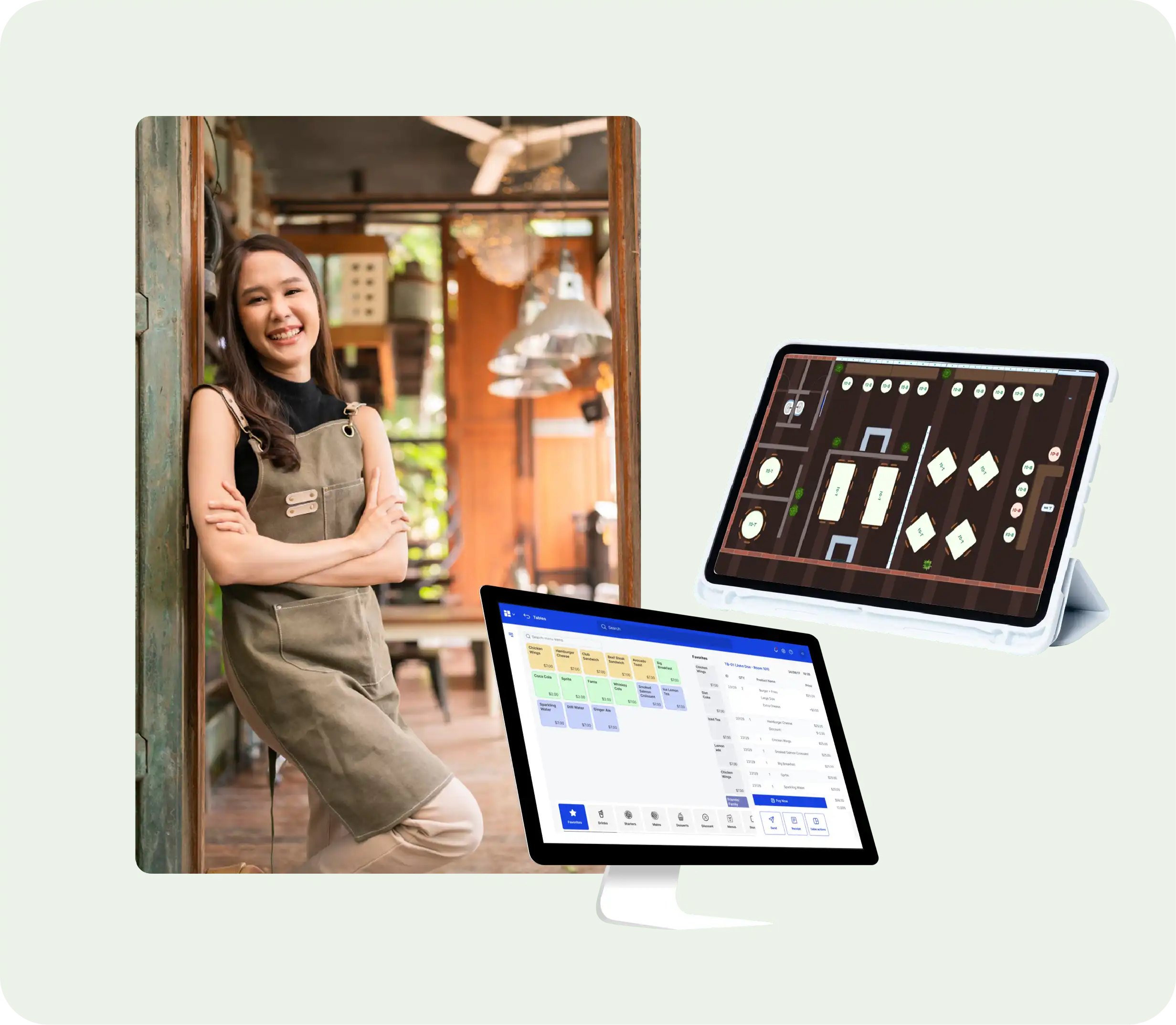
Tableview is designed specifically for hospitality workflows, combining POS, KDS, stock, procurement, accounting, and reporting in one native system.

Less Reliance on Integrations

While Lightspeed relies heavily on third-party apps for operational features, Tableview includes core functionality natively, reducing complexity.

Consistent Business Types

Tableview supports restaurants, bars, hotels, takeaway, food trucks, and cloud kitchens without changing systems.

Operational Impact with Tableview

Businesses comparing Tableview and Lightspeed often look for improvements in daily execution, visibility, and cost control.

70%

more automation

>10h

saved every week

100%

staff satisfaction

Operational Impact with Tableview

Tableview vs Lightspeed: Key Differences

Key Features
All-in-one platform (POS, KDS, Inventory, Procurement, Accounting)
Ingredient-level stock management built in
Native procurement & supplier management
Built-in accounting & financial visibility
Operates fully offline with automatic sync
Hardware flexibility (non-proprietary devices)
Integrated payments without ecosystem lock-in
Modular system without forced add-ons
Native PMS integration and hotels and resorts (Prostay)
Advanced CRM (Customer Relationship Management)

How Tableview Stands Out from Lightspeed!

Lightspeed is often chosen for retail or mixed-use environments. Tableview is built specifically for hospitality operations that need deeper kitchen, inventory, and financial control.

When Hospitality Workflows Matter

Operators often move to Tableview when they need more than a POS and want tighter operational control.

Native hospitality modules beyond POS

Fewer integrations to manage

Designed for real service pressure and growth

When Hospitality Workflows Matter
Mobile Ordering Built into the Platform

Mobile Ordering Built into the Platform

Tableview includes native E-Menu and mobile ordering, while Lightspeed often requires external tools for similar functionality.

QR menus and mobile ordering included

Orders flow directly to POS and kitchen

Supports dine-in, takeaway, and delivery

Why Choose Our POS System?

Why Choose Our POS System?

Answers to common questions businesses ask when comparing Tableview with Lightspeed.

Is Tableview a good alternative to Lightspeed?
Yes. Tableview is often chosen by hospitality businesses that need deeper operational features than Lightspeed provides natively.
What is the main difference between Tableview and Lightspeed?
Lightspeed is more retail-oriented, while Tableview is designed as a hospitality operations platform with native kitchen, stock, procurement, and accounting features.
Does Tableview work offline like Lightspeed?
Tableview is designed to continue operating offline and sync automatically once connectivity is restored. This works without the need for on-premise servers such as what Lightspeed needs for this functionality.
Can I migrate from Lightspeed to Tableview?
Yes. The Tableview team supports onboarding and helps businesses transition smoothly.
Get a Demo

Let’s Connect and Collaborate

Our sales, marketing and custom support stand ready 24/7 worldwide.

office@tableview.com