


Barback Job Responsibilities: 2026 Guide to Daily Tasks & Operations
 Mika Takahashi
Last updated Feb 23, 2026
 Mika Takahashi
Barback job responsibilities include all the behind-the-scenes work that keeps a bar stocked, organized, and functioning efficiently during every shift. This complete tutorial goes over all of the tasks and responsibilities of a barback in modern bar operations, from getting ready for service to closing up shop.
This article talks about everyday chores, how to open and close a business, how to handle inventory, and how to do specific work at different sorts of venues. It doesn't include how to mix drinks, how to make drinks, or how to make decisions at the management level. This article is especially useful for bar managers, restaurant owners, and others who work in the hospitality industry who want to understand, hire, or train barbacks. It will help them write good job descriptions and set up good operational frameworks.
Barbacks job descriptions focus on keeping the bar clean and sanitary, refilling supplies, handling glassware and equipment, and making sure that service flows well so that bartenders can serve clients quickly.
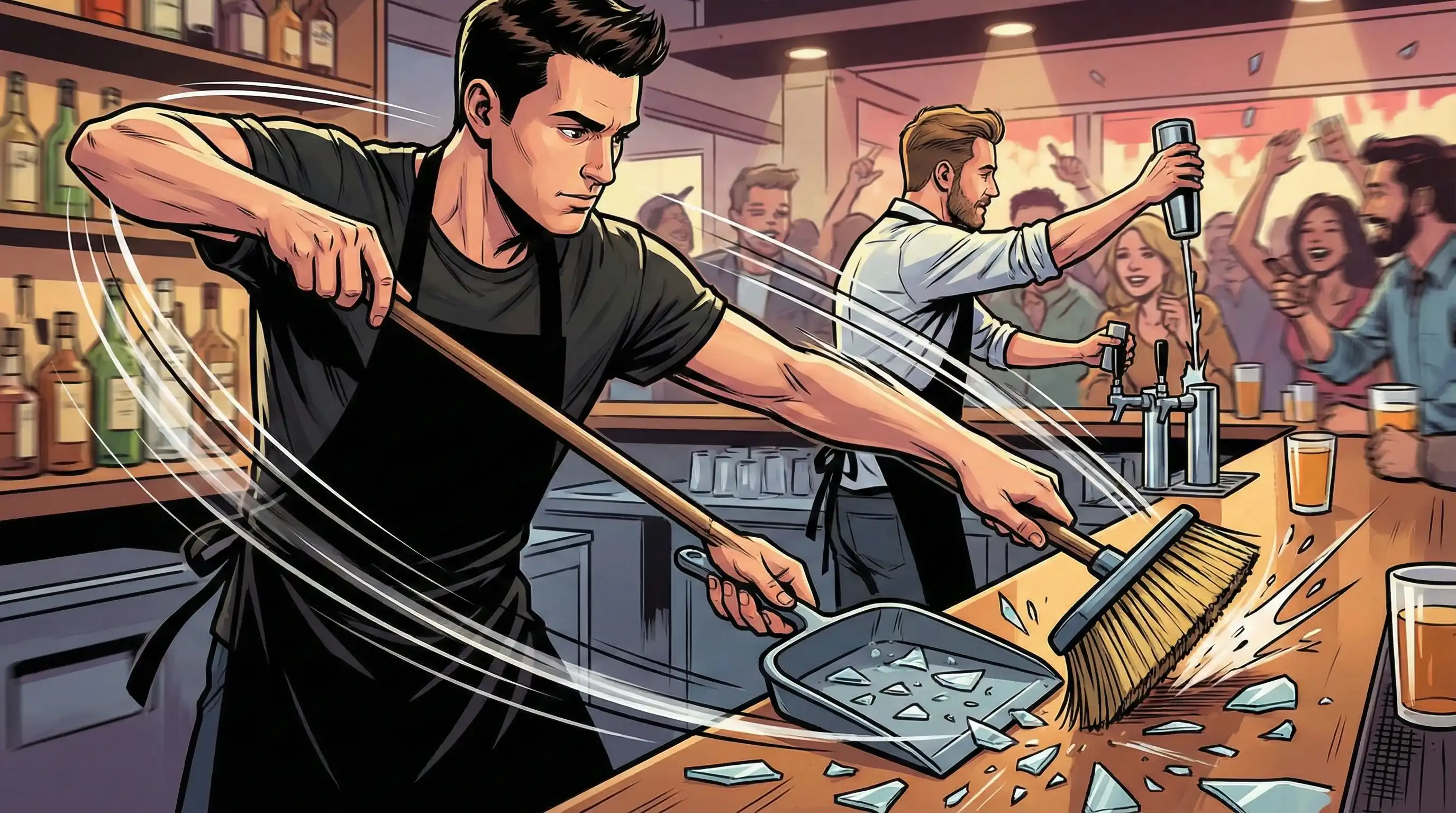
The main goal of a barback job description is to describe the duties of an important support staff member who helps bartenders focus only on making drinks and servicing clients. The bartender's assistant job came along because there was a need to segregate the physical logistics from the customer service, which let each team member focus on their main job.
The main difference between a barback job description and a bartender's is that the barback's job focuses on different things and requires different skills. Bartenders deal directly with customers, make cocktail recipes, take payments, and try to sell more drinks. They need to know about 100 different drinks and be great at customer service. Barbacks, on the other hand, focus on physical preparation and maintenance jobs with little contact with customers. Both jobs are very important for a bar's success. Even the best bartender can't serve beverages well without the right help behind the scenes.
The main job of a barback is to oversee the supply of everything from liquor bottles and mixers to garnishes, glassware, and non-alcoholic items like napkins and straws. A good barback knows what the bar needs before it runs out, which keeps the bar running smoothly without any service interruptions.
Restocking supplies is directly related to keeping the flow of service going. When a popular bar runs out of vodka or ice in the middle of a rush, service stops. To manage supplies well, you need to keep an eye on how much is being used, use FIFO (first-in, first-out) systems to rotate stock, and keep backup supplies close at hand so that service may be quick at busy times.
One of the most obvious and important things of a barback job description during every shift is keep the place clean. This involves cleaning the counters, taking care of empty glasses, managing trash, and keeping the bar area tidy. All of these things have a direct effect on both the health code and the customer experience.
Sanitation chores are intimately related to keeping customers happy and following the rules. Dirty bars could get health citations and make consumers think poorly of them, which could drive them away. A good barback keeps the bar area tidy at all times, making sure that surfaces stay clean, glassware shines, and the whole place fulfills the standards of the hospitality business.
The main role of a barback is to help bartenders without getting in the way of their work or contacts with customers. This entails being able to see what others need and respond quickly to their signals, as well as getting things done on time without needing spoken directions at hectic times.
Understanding that every barback activity should help keep the bar running well is the link between basic support and practical everyday application. This lets the bar staff serve clients quickly throughout service.
Based on these basic ideas, the daily tasks of a barback follow a set routine for opening, service, and closing shifts. Each phase has its own set of activities that, when done correctly, lay the groundwork for smooth service and a well-stocked bar.
Bar opening duties make sure that everything is in place for good service. During this time, a barback gets deliveries and arranges them, making sure that the inventory matches the orders and that there are no broken items. They fully fill each bar station with liquor bottles, mixers, and extra supplies.
Making garnishes is a big job that needs to be done beforehand. For example, at a busy bar, this could require chopping up more than 200 lemon wedges depending on past sales data. Checking the equipment makes sure that ice machines work, keg taps work, and refrigeration units stay at the right temperature, which is between 35 and 40 degrees Fahrenheit. Working with the bar manager to keep track of inventory levels can assist make sure that popular items don't run out, which could stop service completely.
The fast-paced nature of active military makes barback duties much more difficult. The main goal becomes constantly replacing liquor bottles, mixers, garnishes, and ice bins. This typically means making several visits to storage facilities while avoiding crowds and not getting in the way of work.
Some of the most important jobs during service are quickly getting ingredients when the bartender signals, changing out empty beer kegs (which can weigh up to 160 pounds and need to be lifted correctly), and cleaning empty glasses on time. During this time, communication is very important. Barbacks pass along updates on inventory and work with kitchen or security staff in case of problems like broken glass or spills. The purpose is still the same: to maintain the bar clean and the service running efficiently so that bartenders can focus on serving clients.
Closing chores include taking things apart, cleaning them thoroughly, and getting ready for the next day's bar setup. This includes cleaning the liquor room, beer storage, and dry goods sections, washing all the glassware and bar equipment, mopping the floors, and making sure the bar area is safe from problems overnight.
Careful closeout keeps things from getting behind when the next bar opens and makes sure that all health rules are followed. When you do inventory counts at the end of the day, you can see how much you've used and what you need to order. Correct closure practices help keep pests out and equipment from breaking down, which protects the money spent on running the bar.
Key points from daily operations:
Barbacks need to know these daily rhythms so they can handle the more complex tasks and responsibilities that come with working in different types of bars.
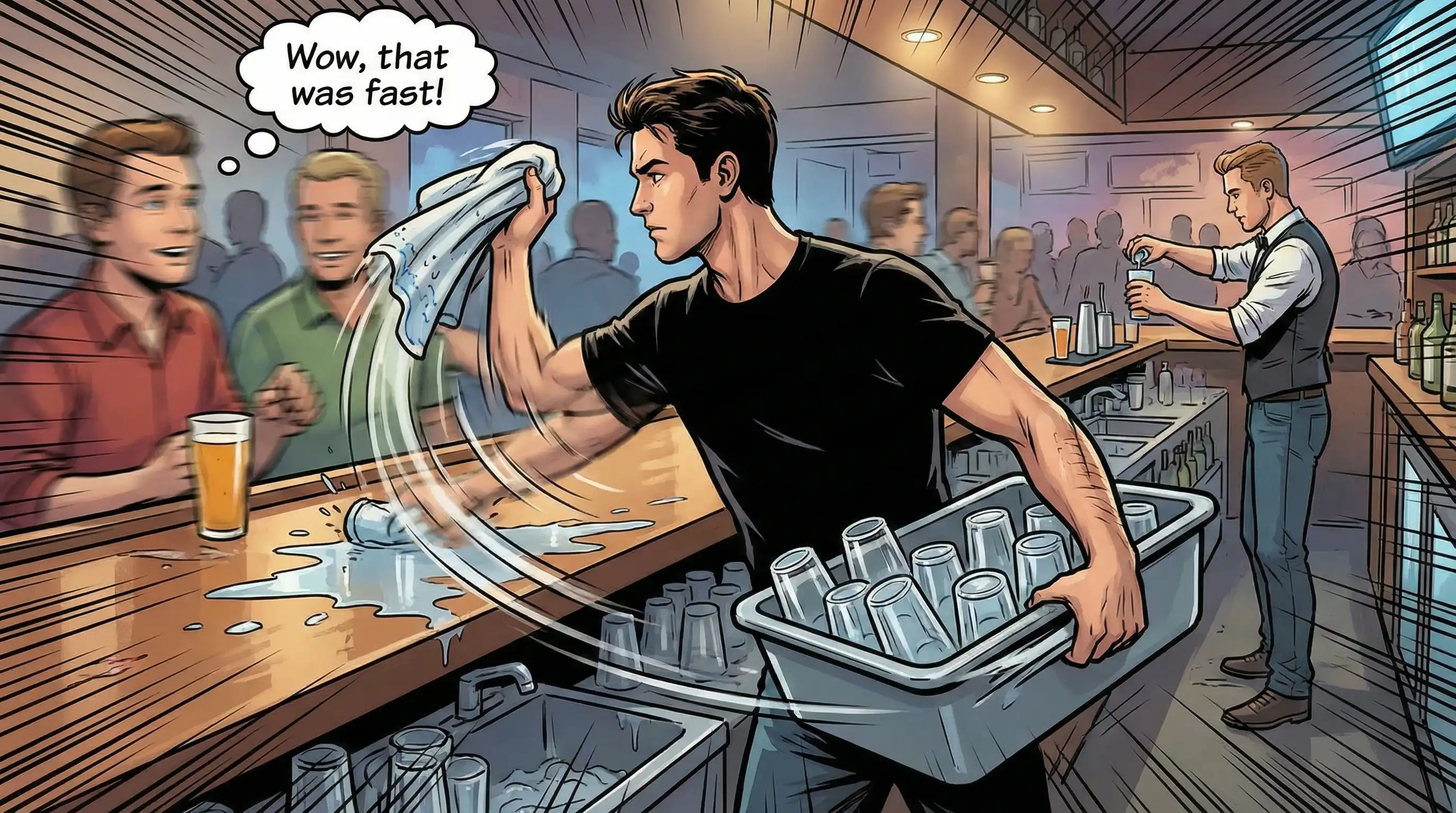
In addition to their regular daily activities, barbacks are also responsible for managing inventory, meeting the specific needs of the venue, and other tasks that change depending on the type of business and its operational needs. These advanced skills are frequently what decide if a barback is ready to move up to bartending.
Barbacks are in charge of managing the inventory when there aren't any dedicated inventory professionals at the venue or when managers need extra help. A competent barback knows when and how to do these things, which sets them apart from an ordinary one.
Good inventory management can cut overstock costs by 15–20% and keep popular products from running out, which would cause service delays.
| Factor | Nightclub | Restaurant Bar | Craft Cocktail Bar |
|---|---|---|---|
| Volume expectations | Extremely high; 50+ keg changes possible on busy nights | Moderate; steady pace throughout dinner service | Lower volume but higher precision required |
| Specialization level | Speed-focused with limited menu items | Balance of speed and variety | Extensive garnish prep; 200+ bespoke items possible |
| Physical demands | Maximum; extended periods of intense activity | Moderate with predictable peaks | Moderate physical, high attention to detail |
| Additional duties | Security coordination, crowd management support | Food runner support, table service assistance | Specialty ingredient preparation, presentation standards |
| Typical shift pattern | Night shift focus, weekend intensity | Evening service, consistent scheduling | Evening service, possibly earlier close |
Because of these differences, a good barback job description should say what kind of venue it is and what the requirements are for that type of venue. Hiring managers who want to find suitable individuals will benefit from knowing if they require high-volume endurance or craft-focused perfection. This knowledge also helps candidates figure out if a job fits with their abilities and professional aspirations.
Every bar environment has problems that challenge a barback's ability to stay organized, communicate well, and keep up the quality of their work under pressure. Successful barbacks are those that deal with these problems before they happen, whereas those who suffer in the bar industry do not.
Barbacks who don't have strategies for prioritizing their tasks are overwhelmed by the physical and scheduling demands of peak times. When things are busy, start with the tasks that will have the biggest effect, like ice, glasses, and the spirits that are most popular. Make mental or physical lists that let you quickly see what needs to be done right away and what can wait. Instead of waiting for inquiries, watch the bartender stations and how customers order to get a sense of what they might require. This proactive strategy keeps the bar personnel working well and stops slow service.
When working with more than one bartender at a busy bar, clear communication keeps everyone on the same page and makes sure no one falls behind. Set up basic communication methods with each bartender, such a lifted bottle or a nod toward empty supplies, that let them know what they need without stopping customer service. Make rotation patterns that go through stations on a regular basis, and put requests in order based on how many customers are at each station. Good communication and people skills make this cooperation go smoothly instead of becoming a mess.
Barbacks are tempted to skip cleaning or using good garnishes when the service is busy. To stop this from happening, set standards that can't be changed: wilting garnishes are replaced right away, spills are cleaned up in seconds, and the quality of the glassware stays the same. Even when things are busy, automated technologies and digital checklists assist keep these standards. Keep in mind that taking shortcuts during service might cause problems that last long after the service is over. Customer happiness depends on doing things the same way every time.
With time, these problems become easier to deal with, which leads to constant growth and ready for more tasks.
Clearly defined barback job duties are what make a bar run smoothly or cause service difficulties that may have been avoided. Every job in the restaurant and bar sector, from managing supplies and keeping things clean to managing inventory and helping bartenders, helps to make sure that customers are happy and service is quick.
Immediate actionable steps:
To keep growing, look into structured barback training programs that speed up skill development, performance evaluation systems that monitor how well responsibilities are being met, and career promotion paths that get effective barbacks ready for lead bartender roles. A lot of people in the hospitality sector start out as barbacks, which is how 70–80% of bartenders got their start. This is a great way to build a profession over time.
Barback Responsibility Checklists:
Sample Job Description Components: An excellent barback job description should include an overview of the job that makes it clear that the person is an important part of the support staff, a list of specific duties and responsibilities organized by shift phase, physical requirements like lifting expectations and long periods of standing, required qualifications like a high school diploma and the legal age to serve alcohol, and desired qualities like good communication skills and the ability to stay organized. This method helps find qualified people who know what the job requires.
Training Resources:
Our sales, marketing and custom support stand ready 24/7 worldwide.