


Brasserie Meaning: Overview of French Brasserie Restaurants
 Mika Takahashi
Last updated Feb 5, 2026
 Mika Takahashi
Brasserie is a French word that means "brewery," but nowadays it refers to a unique type of restaurant that has changed the way people eat in France and worldwide. To really understand what brasserie means, you need to go beyond just translating it. You need to know how these businesses went from brewing beer to becoming popular places for people to get together and eat traditional French food.
This article goes over the full history of the word "brasserie," what makes brasseries different from other French restaurants, the different types of brasseries you'll find in different parts of the country, and how to tell if a brasserie is real. The information is useful for people who want to visit France, food lovers who want to learn more about French cuisine, hospitality professionals who want to learn more about restaurant concepts, and restaurant owners who are thinking about running a brasserie.
A brasserie is a casual French restaurant that comes from brewery traditions. It usually serves food all day, has a wide range of beer and wine, and has a vibrant, easygoing atmosphere.
By the end of this guide, you will:
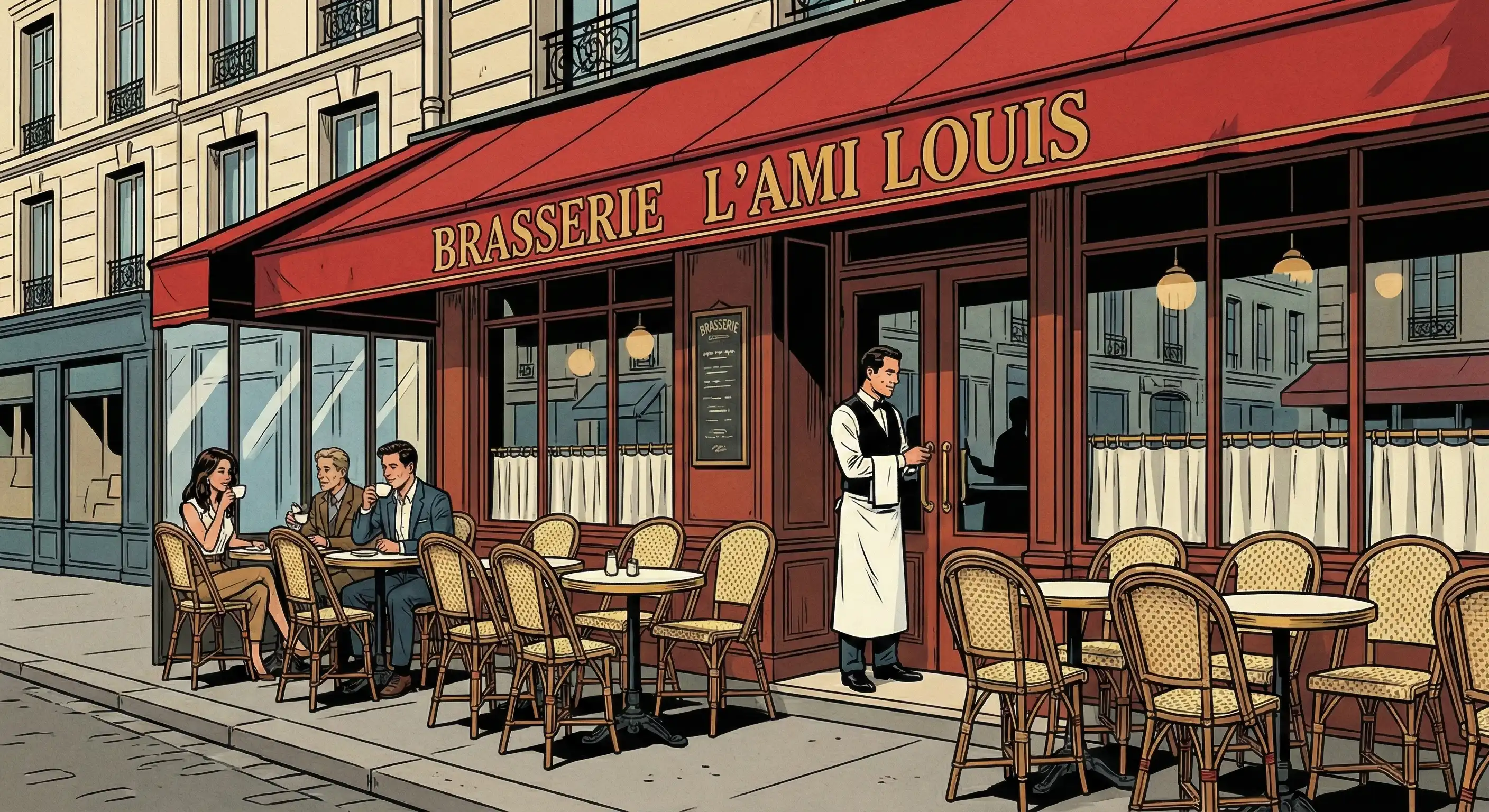
French restaurants have a strict hierarchy that has been in place for hundreds of years. In French cuisine culture, each type of restaurant has its own area and serves a different purpose in community life.
Brasseries are at an odd place in this landscape: they are bigger and more professional than bistros, but less formal than fine dining restaurants. They are also bigger and more professional than cafés. Their distinctive position arose from practical history rather than culinary theory.
The word "brasserie" comes from the Middle French verb "brasser," which means "to brew." It goes back even earlier to the Old French "bracier" and then to the Vulgar Latin "braciare," which comes from Celtic. In 1864, early English usage defined a brasserie as "a beer saloon where food is served," usually connected to a place where beer was made on-site instead of being bought from somewhere else.
This relationship to breweries explains why brasseries initially became popular in Alsace, a French area that borders Germany and has a long history of making beer. Alsatian brewers set up places where people could drink freshly made beer and eat hearty meals that went well with the booze.
The idea spread to Paris in the 19th century, when brasseries became popular venues for people to meet. Chambers's Twentieth Century Dictionary said that a brasserie was "in France, any beer-garden or saloon" by 1901. The present Merriam Webster definition and other dictionaries now say that it is a modest, casual French bistro. This shows how food gradually became more important than brewing.
During the Belle Époque, which lasted from the late 1800s to the early 1900s, brasseries became important places for people to meet and socialize. Their big halls and long hours made them great venues for locals, businesspeople, artists, and smart people to get together.
Bouillon Chartier, a classic brasserie in Paris that opened in 1896, served working-class diners cheap meals in beautiful settings. This elegant democracy, good food and a nice atmosphere at reasonable prices became a distinctive element that still exists today.
Brasseries today still serve as community anchors. People from all walks of life can still go to these establishments to eat classic French food, have informal business meetings, or just spend an afternoon with friends over wine and oysters.
To understand what makes a brasserie different, you need to look at three things that are all connected: the physical space and atmosphere, the way the staff serves guests, and the food they serve. These traits have grown together during the last 150 years.
Brasseries usually have big, open spaces that can hold a lot of people and still feel friendly. The brasserie experience is different from that of a cozy bistro because it is full of energy and activity. Conversations overlap, waiters walk quickly between tables, and the room is full of life.
Art Deco or Art Nouveau elements are typically used in the decor, and ornate chandeliers, big mirrors, and polished brass embellishments add visual beauty. Many historic sites in Paris still have the original interiors from when they were built. A patio area for eating outside is typical, especially in the summer.
Brasseries are not as casual as they seem. They have white linen tablecloths, printed menus, and decent table arrangements that set them apart from places that are more casual. The brasserie experience is defined by a laid-back atmosphere and a polished presentation.
Their hours of operation may be the most obvious thing that sets brasseries apart from each other. Most of the time, traditional French restaurants close between lunch and dinner, from 2:30 PM to 7:00 PM. Brasseries are open all day and serve the same food from lunch until late at night, often even after midnight.
Because it's easy to get to, friends can come by for a fast meal at 4 PM, an early dinner, or a late-night get-together. The kitchen is always open, and the menu stays the same. The service is competent but quick, and the experienced waitstaff keeps things formal without the fuss of good dining.
For tourists and individuals with schedules that change often, being open all day solves a common problem in France: obtaining good food outside of regular lunch times.
Brasserie meals focus on classic French dishes that are made with care but not too much complexity or new ideas. The focus is on hearty, filling food that goes well with drinks, which is a direct continuation of the original brewery function.
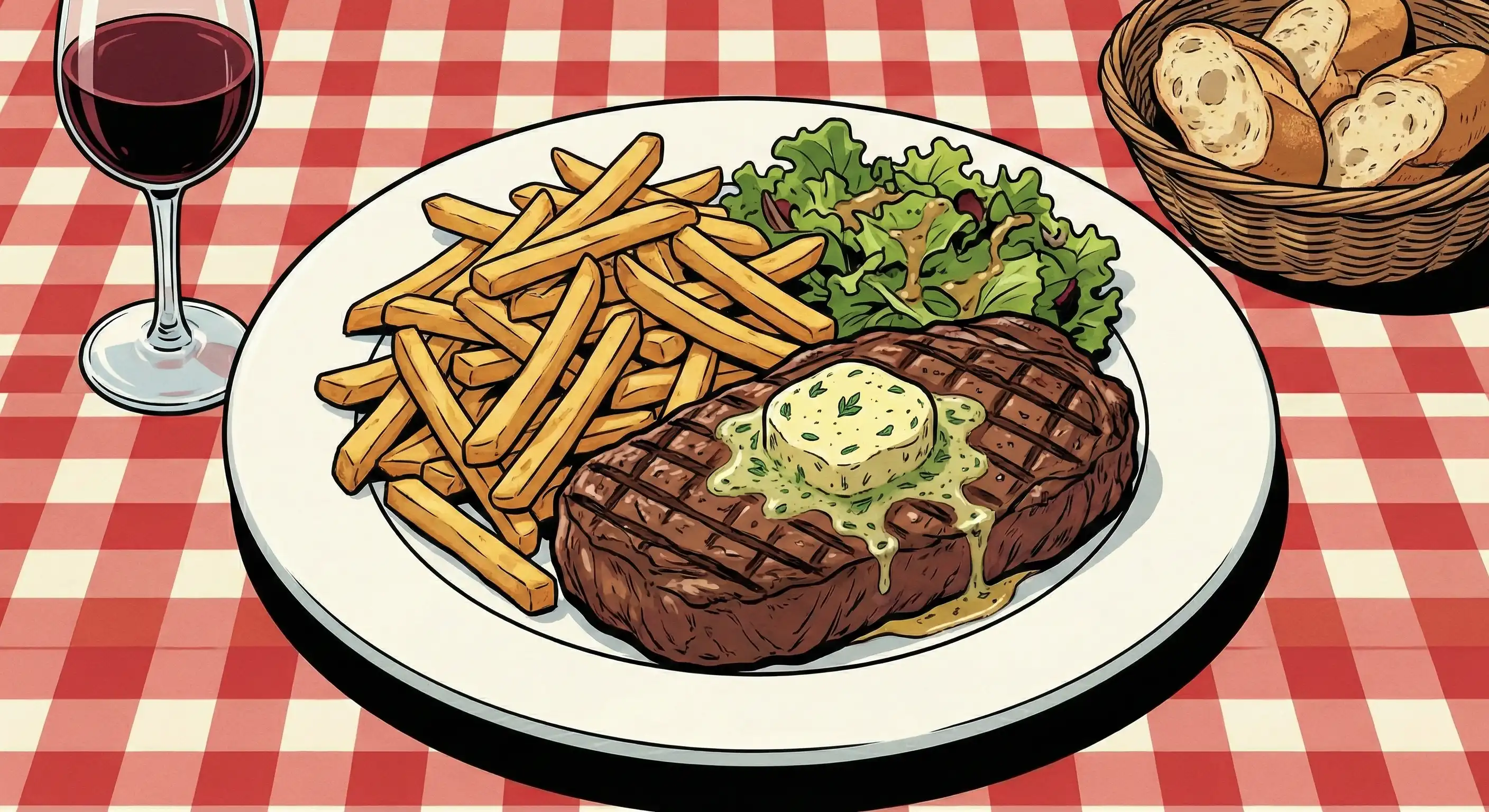
Steak frites, which is a well-cooked steak accompanied with crispy French fries, is still the most popular brasserie dish. Other important things are:
The beverage programs of brasseries show their heritage by offering a wide range of beers (to celebrate the brewed roots), long wine lists, and vintage cocktails. Good ingredients and good technique are important, but the mindset behind cooking puts comfort and tradition ahead of inventiveness.
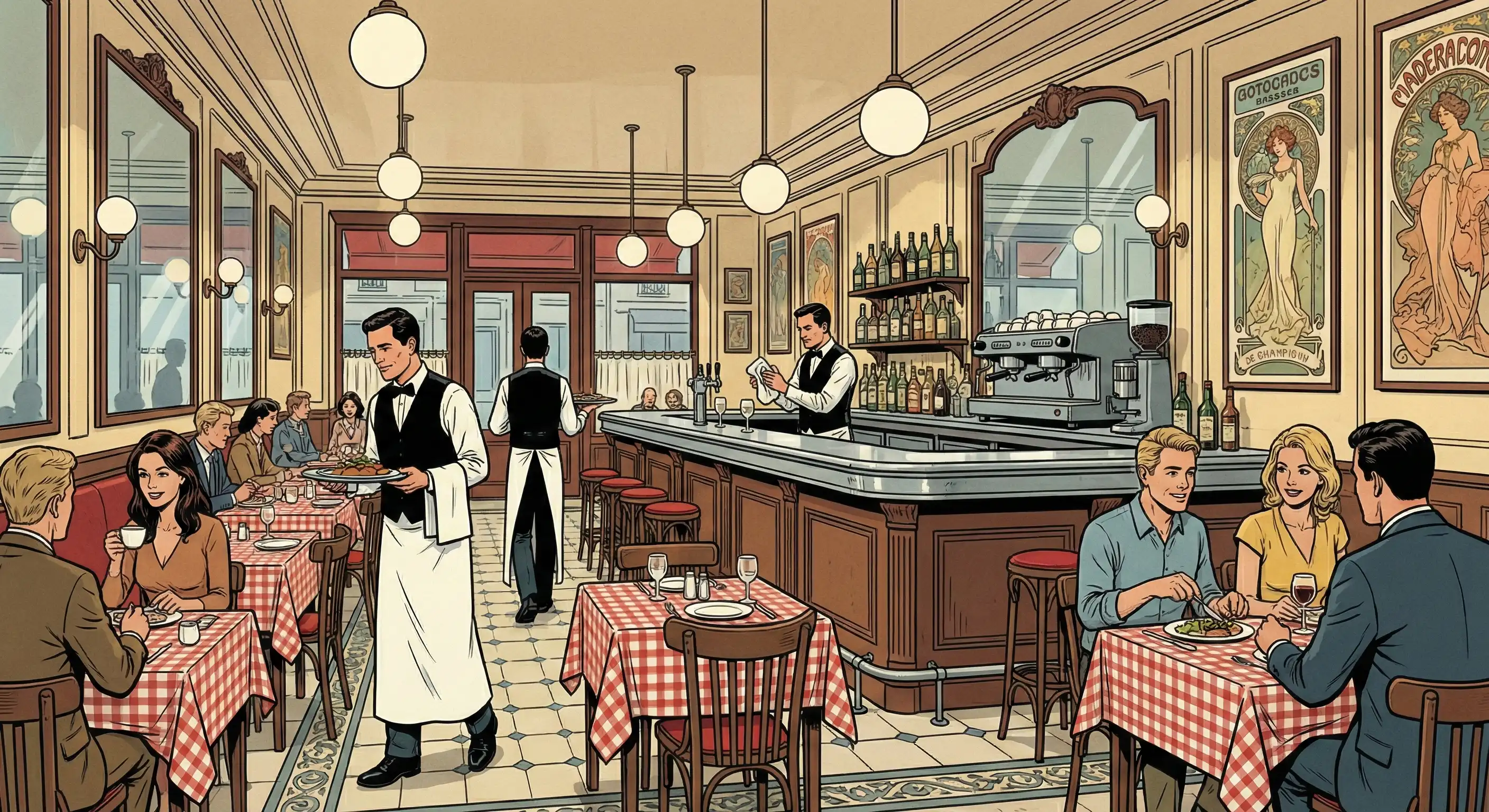
Since its beginnings in the 1800s, the brasserie restaurant idea has changed a lot. Today, there are several types based on where they are, their history, and who they are meant for.
Paris is still the world's brasserie capital, with famous places that have been there for more than a hundred years. Bouillon Chartier, Bouillon Julien, La Coupole, and Brasserie Lipp are all historic places that attract both tourists and locals. They help keep culinary traditions and architectural heritage alive.
Prices at well-known Paris brasseries are very different. Places that cater to tourists near major attractions sometimes demand higher prices, while neighborhood favorites that locals go to often have lower prices. For example, the Bouillon chain became popular because it served typical brasserie dishes at very modest costs.
The atmosphere is also different: some great brasseries feel like eating in a museum of Belle Époque style, while others have a more everyday vibe that is more comfortable for ordinary customers.
Brasserie restaurants outside of Paris show off the area's cooking styles and brewing history. Alsatian brasseries have the strongest ties to the old brewery roots. Some are even located on sites where beer is still brewed. French classics and Germanic influences can be seen on menus in this area.
Brasseries in provincial cities across France have their own traditions, and they tend to be less touristy and more focused on the community. These places may serve regional dishes that aren't available in Paris, giving visitors a more authentic eating experience.
Modern brasserie restaurants in towns like Lyon, Bordeaux, and Marseille combine traditional aspects with modern ones, but they still have the same all-day service and classic food that makes them special.
The idea of a brasserie restaurant has spread around the world, spawning restaurants in places like New York and Tokyo. International adaptations usually focus on French traditional food, relaxed elegance, and the lively atmosphere that comes with Parisian originals.
These adjustments must change to fit the tastes and ingredients available in the area. An American brasserie might add to its menu items that aren't strictly French, but it would still keep the same kind of service and atmosphere. The word "brasserie" on the sign of an international restaurant means that you can expect a certain type of eating experience: casual French-inspired food with professional service.
Modern hospitality implementations often include modern features like open kitchens, artisan cocktail programs, and sophisticated plating, but they also keep the friendly, community-focused ethos that makes brasserie culture what it is.
Knowing the difference between brasseries and other French restaurants can help you set the right expectations and choose the perfect place for a certain event.
There are a lot of similarities between bistros and brasseries, such as the classic French food, the relaxed atmosphere, and the focus on the neighborhood. However, there are also some important differences. Bistros are usually smaller, cozier places with faster service and fewer choices on the menu. Some people think that the word "bistrot" comes from the Russian word "bystro," which means "quickly." This suggests that the focus is on speed.
Brasserie restaurants have bigger premises, lengthier menus (especially for seafood and shellfish), longer hours, and more formal service with printed menus and white linens. A bistro serves great French food in a cozy setting, whereas a brasserie offers a more full, but still casual, dining experience.
French cafés mostly serve drinks and light meals like pastries, basic sandwiches, and maybe salads. Guests can dine at a café, but the main things to do are sip coffee, watch people, and talk.
Brasseries are restaurants that serve full lunch and dinner menus with big portions. The contrast is clear in the food's intricacy, how it is made, and how much it costs. A café is a location to take a break from everyday life, while a brasserie is a real place to eat.
Some modern restaurants use brasserie styles, like brass fixtures, Art Deco touches, and classic menu items, although they don't always offer all-day service or traditional cooking methods. Knowing what makes a brasserie real will help you find real ones.
Some signs of excellence are: a menu that is always available during business hours, traditional dish preparation, professional but not rushed service, and a clear concern for both the quality of the meal and the client experience. Historic places with documented histories provide the most reliable real-life experiences.
The word "brasserie" has been around for almost 200 years. It started as modest beer halls adjacent to breweries and has grown into popular places that serve classic French food in a fun and easy-to-reach way. Knowing what a brasserie means helps people who visit France have the right expectations and appreciate these locations where people gather that have influenced French dining culture.
To identify authentic brasseries when dining:
Some more interesting topics to look into are French dining etiquette, different types of French cuisine from different regions, and the wide range of French restaurant types, from cafés to Michelin-starred restaurants.
Historic Brasseries to Visit in France:
Essential French Dining Vocabulary:
Brasserie Timeline:
Our sales, marketing and custom support stand ready 24/7 worldwide.