


Fine Dining vs Casual Dining: Differences Explained
 Mika Takahashi
Last updated Mar 10, 2026
 Mika Takahashi
Choosing where to eat often comes down to fine dining vs casual dining. Both offer good food and service, but the experience, expectations, and price differ. Understanding the differences helps you pick the right restaurant for the occasion and know what to expect.
This guide explains what fine dining and casual dining are, how they differ in atmosphere, service, menu, price, and dress code, and when to choose each.
Fine dining restaurant is a style that emphasizes formal service, high-quality cuisine, and an upscale atmosphere. Fine dining restaurants typically have white tablecloths, multiple courses, attentive service, and a formal or semi-formal setting. The focus is on the full experience, not just the food.
Fine dining is often associated with tasting menus, prix fixe options, and dishes that highlight technique and presentation. Service is highly structured and follows a clear sequence of courses. The atmosphere is usually quiet and refined, with attention to detail in lighting, seating, and décor.
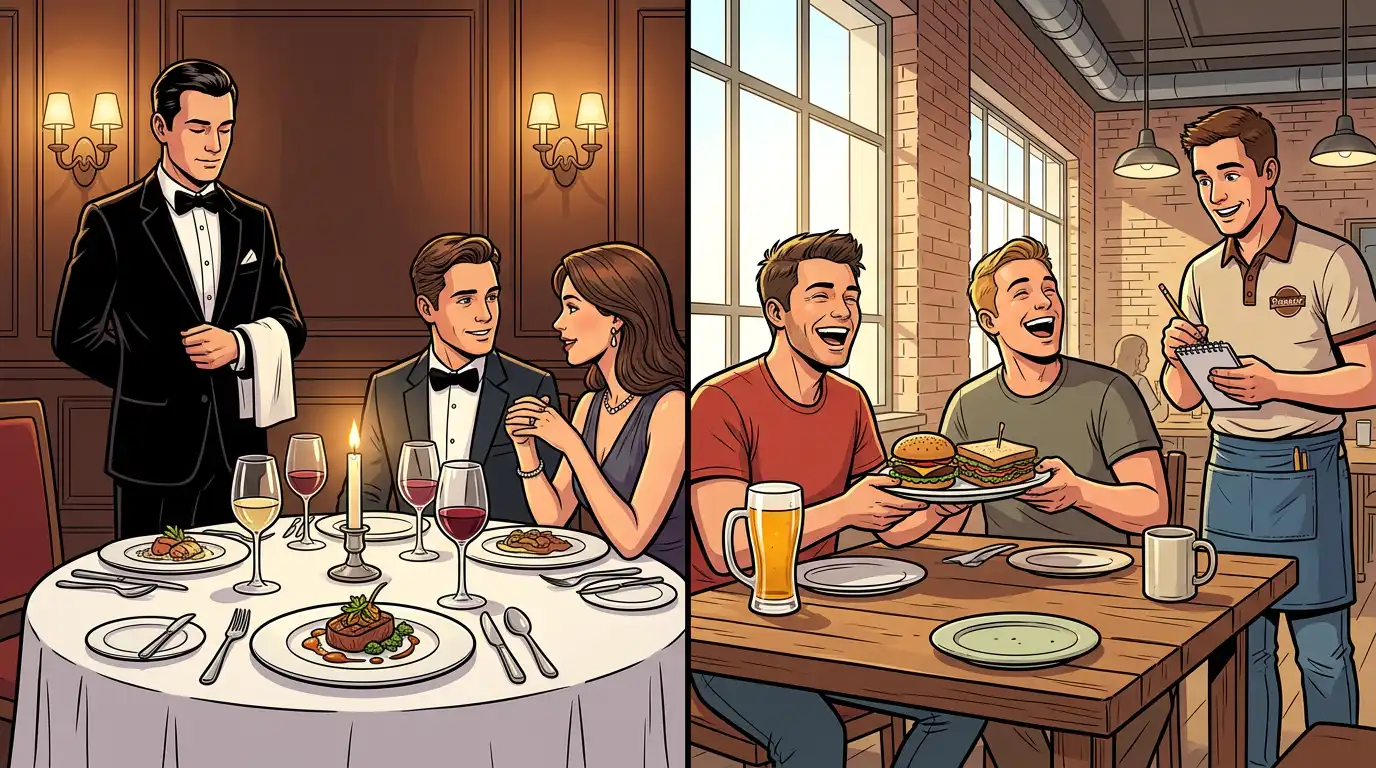
Casual dining is a restaurant style that emphasizes relaxed food and service in a comfortable setting. Casual dining restaurants are more informal than fine dining restaurants. They may have table service or counter service, but the atmosphere is laid-back and the dress code is casual.
Casual dining covers a wide range of concepts: neighborhood bistros, family restaurants, gastropubs, and casual chains. The food is usually approachable and satisfying, and the service is friendly but less formal. Prices are often lower than in fine dining, and meals can be quicker and more flexible.
Fine dining - The atmosphere is formal and refined. Lighting is dim and controlled, music is low or absent, and seating is spaced for privacy. Décor tends to be elegant and understated. The goal is a calm, focused experience where the food and service take center stage.
Casual dining - The atmosphere is relaxed and welcoming. Lighting can be brighter, music may be more noticeable, and tables can be closer together. Décor can be eclectic, cozy, or themed. The goal is comfort and accessibility rather than formality.
The fine dining vs casual dining atmosphere is one of the most noticeable differences. Fine dining feels like an occasion; casual dining feels like a regular meal out.
Fine dining restaurants - Service is highly structured and follows a clear sequence. Staff are trained in formal service techniques: multiple servers, wine service, bread and butter, course clearing, and timing. Servers are attentive but unobtrusive. The pace is usually slower and more deliberate.
Casual dining restaurants - Service is friendly and straightforward. One server typically handles the table, takes orders, brings food, and processes payment. The pace is often faster and more flexible. Staff may be more conversational and less formal.
The fine dining vs casual dining service difference affects how you interact with staff and how long the meal lasts. Fine dining is more ritualized; casual dining is more adaptable.
Fine dining - Menus often feature tasting menus, prix fixe options, or multi-course à la carte menus. Dishes are described in detail and may include seasonal or specialty ingredients. Portions can be smaller and more refined. The menu is designed to showcase the chef’s style and technique.
Casual dining - Menus are usually à la carte with appetizers, mains, and desserts. Descriptions are simpler and portions are often larger. The menu is designed for variety and accessibility.
The fine dining menu vs casual dining menu reflects different goals: fine dining emphasizes technique and creativity; casual dining emphasizes choice and satisfaction.
Fine dining - Prices are typically higher. A multi-course meal can cost several hundred dollars per person, including wine. Fine dining is usually treated as a special occasion.
Casual dining restaurants - Prices are typically lower. A full meal might cost a fraction of a fine dining experience. Casual dining is more suitable for regular dining out.
The fine dining vs casual dining price difference is significant. Budget is often the deciding factor when choosing between them.
Fine dining - Many fine dining restaurants have a dress code: smart casual, business casual, or formal. Jackets may be required for men. The dress code supports the formal atmosphere.
Casual dining - Dress code is usually relaxed. Jeans, casual shirts, and sneakers are typically acceptable. The focus is on comfort.
The fine dining vs casual dining dress code difference is one of the first things diners notice. Fine dining often requires more formal attire; casual dining does not.
Fine dining - Meals can last two to four hours or more. Courses are paced deliberately, with time between courses. The experience is meant to be savored.
Casual dining restaurants - Meals are usually shorter, often under an hour or two. Service is faster and more flexible. You can eat quickly or linger, depending on your preference.
Fine dining - Suited to celebrations, anniversaries, business dinners, and special occasions. The experience is often the main focus.
Casual restaurant dining - Suited to everyday meals, family dinners, catch-ups with friends, and relaxed occasions. The food and company are the focus, not the formality.
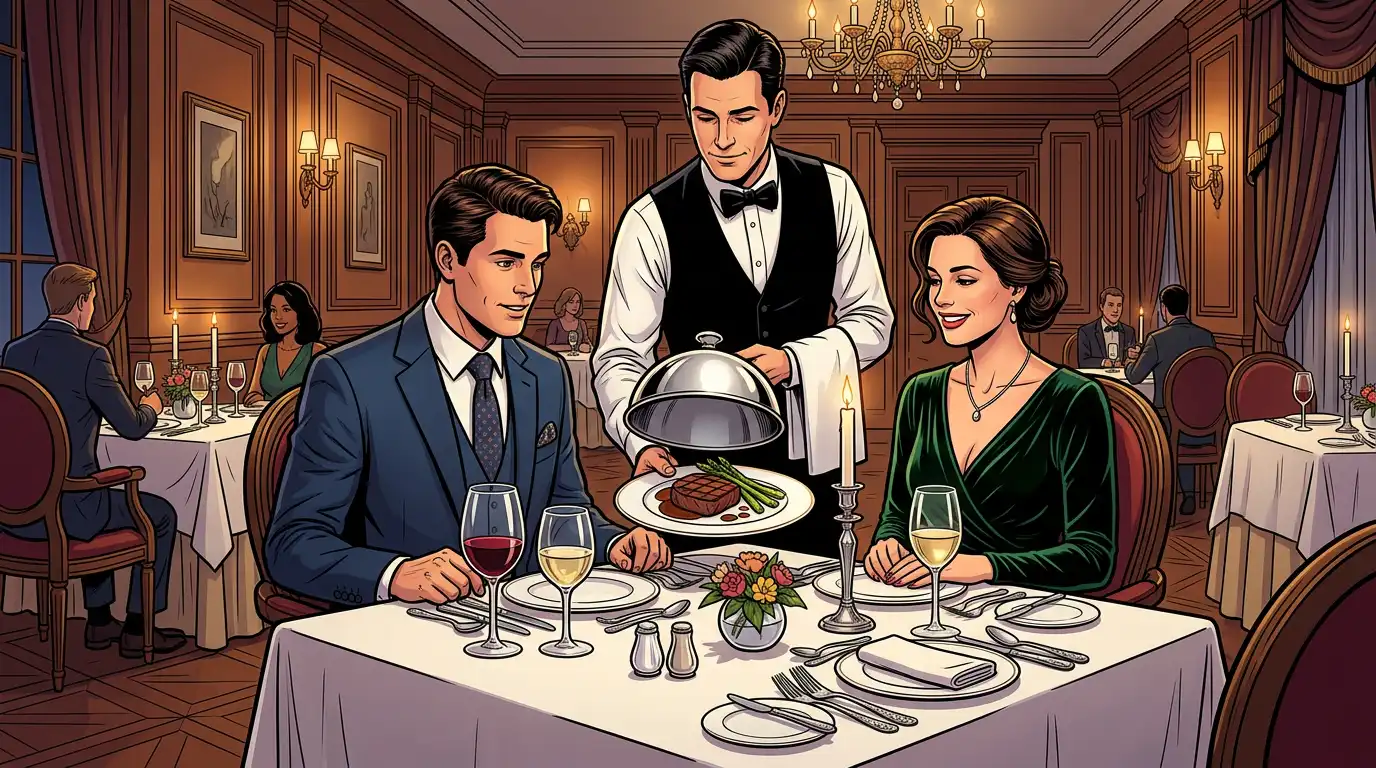
Many restaurants sit between fine dining and casual dining. These are often called “upscale casual” or “fine casual.” They offer:
The fine dining vs casual dining comparison is not always black and white. Upscale casual restaurants blend elements of both and appeal to diners who want quality without full formality.
Fine dining service typically includes:
Casual dining service typically includes:
The service is simpler and less ritualized than in fine dining.
Fine dining food emphasizes:
Casual dining food emphasizes:
Both can deliver excellent food; the difference is in style, presentation, and context.
Fine dining etiquette typically includes:
Casual dining etiquette is more relaxed:
Fine dining etiquette vs casual dining is less formal in casual settings, but basic courtesy applies in both.
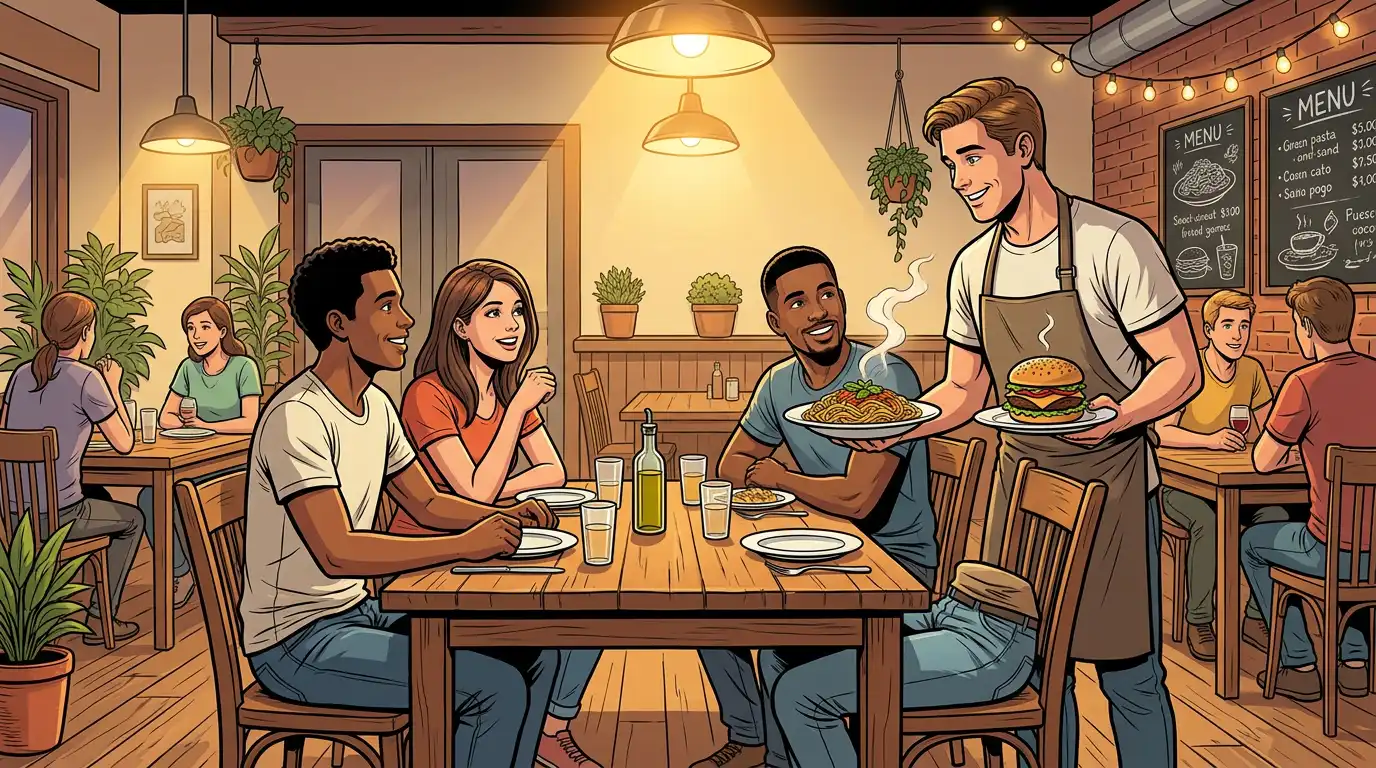
Fast casual is another category that sits between fast food and casual dining. It typically offers:
Fast casual restaurants is more casual than casual dining and usually faster and cheaper. The fine dining vs casual dining comparison doesn’t include fast casual, but it’s useful to know when mapping out restaurant types.
Restaurant service styles can be roughly ordered as:
Understanding fine dining vs casual dining helps you see where each restaurant fits in this spectrum.
Fine dining and casual dining serve different purposes and occasions not like a casual fine dining. Fine dining emphasizes formal service, refined cuisine, and a special-occasion experience. Casual dining emphasizes relaxed, accessible food and service for everyday dining.
The main differences are atmosphere, service style, menu structure, price, dress code, and pace. When choosing between fine dining vs casual dining, consider the occasion, budget, time, and preference for formality. Many restaurants blend elements of both, offering quality without full formality.
Our sales, marketing and custom support stand ready 24/7 worldwide.