


Gastropub Restaurant: How To Operate This Dining Concept
 Mika Takahashi
Last updated Feb 10, 2026
 Mika Takahashi
A gastropub restaurant is a unique type of dining experience that combines the friendly, laid-back vibe of a traditional pub with the high-end food of a fine-dining restaurant. Since it first appeared in London in the early 1990s, this idea has changed pub culture around the world. It has created a new type of pub that focuses on high-quality cuisine and craft drinks in a relaxed setting.
This article tells you everything you need to know about the gastropub idea, including its history, how to run one, how to make a menu, and how to manage it well. The target audience comprises restaurant owners who are thinking about this format, hospitality experts who want to improve their businesses, and investors who are looking at chances in this growing market area. This website gives you useful tips for success whether you want to launch a new gastropub or improve the food and drink options at an existing pub.
A gastropub restaurant has the relaxed, community-oriented feel of a regular pub, yet the food and drinks are of high quality and carefully chosen. This makes great food available without the high prices or formalities of fine dining.
This guide will help you understand what a gastropub restaurant is and:
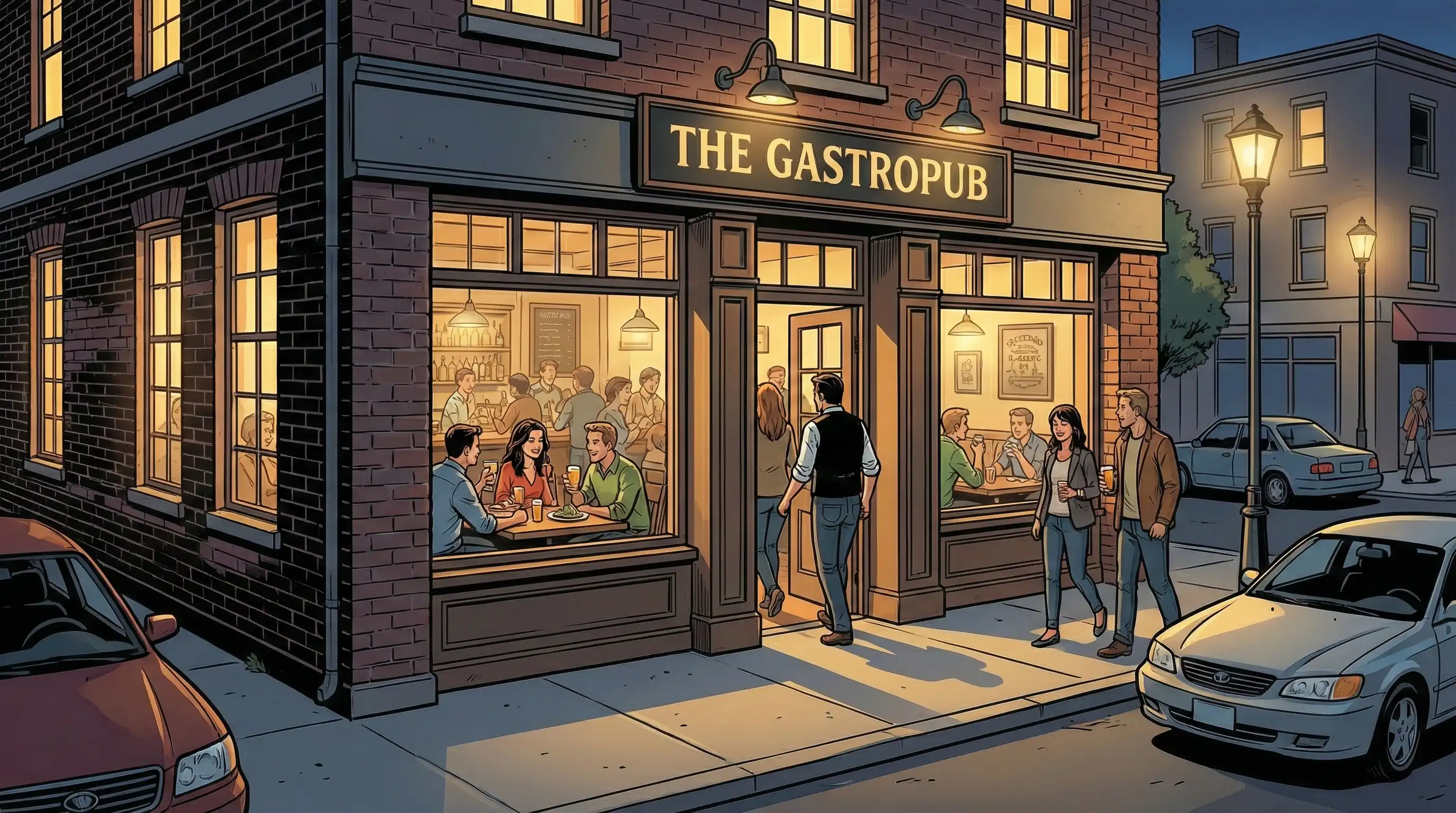
A gastropub restaurant is basically a pub that serves a lot of drinks and high-quality, chef-driven food. Traditional pubs were mostly places to drink with few food options, like crisps and pre-made sandwiches. Gastropubs, on the other hand, have restaurant-quality kitchens, trained chefs, and menus that can compete with those of high-end restaurants. They also keep the warm, friendly atmosphere that is typical of pubs.
The gastropub is different from regular pubs since it focuses on food, and it's also different from fine-dining restaurants because it's more relaxed and affordable. This stance strikes the appropriate balance for diners who want great food without the formality or expensive prices of fine dining.
Michael Belben and David Eyre launched The Eagle in Clerkenwell, London, in 1991, which is when this idea first came about. This place was born out of economic need during the UK's recession. It was the first to combine easy access to pubs with high-quality restaurant food. Fay Maschler, a restaurant critic, came up with the word "gastropub" in 1995. By 2012, Merriam-Webster had included it to its lexicon, making it a permanent part of the culinary vernacular.
The aim behind gastropubs is to make high-quality food available to everyone in a casual setting. This means you can enjoy meals made with the best ingredients while wearing jeans, talking to friends, and not spending too much money.
The focus is still on serving high-quality pub food without being snobby. The goal is to honestly employ high-quality ingredients in all of the meals, whether it's fish and chips made with better technique, a properly grilled steak with caramelized onions and velvety mashed potatoes, or comfort food topped with fresh parsley and house-made sauces.
This way of thinking also applies to the drink menu, which includes craft cocktails, well chosen wine lists, and partnerships with local breweries. Guests can sip a perfectly mixed drink or enjoy a craft beer while waiting for dishes that genuinely excite the taste buds.
Gastropubs are in a good spot between casual dining places and high-end restaurants. They serve a need for people who want good food without having to dress up. They are the best at democratic eating since they serve great food at lower prices than fine-dining restaurants yet charge more than regular bars.
The main group of customers is those aged 25 to 55 who care about food and value quality ingredients and creative cooking, but who also like to eat in a casual setting. These guests like a meal that surprises and excites them, and they don't have to make reservations weeks in advance or follow dress rules.
Knowing this market position helps with judgments on how to run the business, from how to design the inside to how to set menu prices. The gastropub will only be successful if it can provide an eating experience that is both upscale and welcoming.
To put the gastropub philosophy into practice every day, you need to pay close attention to making the menu, the drinks, and the atmosphere. To create the signature experience that defines this notion, all of the parts must operate together.
When developing a menu for a gastropub, you have to find a balance between conventional pub dishes and new, high-end ones. People still prefer classic foods like chicken wings, pork belly, and fish and chips, but what makes gastropubs different is how they make them and what they use. Think about buffalo sauce produced in-house, fries cooked in high-quality oil to get them just right, or fish grilled with fresh herbs and a balsamic glaze.
The foundation is getting good ingredients. This means getting fruits and vegetables from local farms, picking high-quality proteins, and getting cheeses like parmesan, pepper jack, cream cheese, and goat cheese from well-known creameries. Changes to the menu based on the season keep things fresh and let cooks use the best ingredients.
Pricing plan must take into account higher food costs while yet being affordable. A gastropub burger with American cheese, pickles, red onions, and house-made condiments on a high-quality bread costs more than a regular pub burger. Customers know this and are fine with it as long as the quality is worth the extra cost.
Some of the restaurant's signature dishes are:
Gastropubs are different from regular eateries since they have a great drink menu. The craft beer selection should include beers from local breweries that show how the community is connected and what makes it unique. A well-curated tap list with a wide range of styles makes people want to come back again and again.
When making a wine list, quality and approachability are both important. Add choices that go well with pub cuisine, including medium-bodied reds for meat meals and crisp whites for fish. Cocktails should get the same amount of attention, from well prepared classics to specialty drinks with mint, cucumber, or house-made sriracha-honey syrups.
Combining food and drink options makes for better dining experiences. Staff should know how to combine beers or wines with certain dishes to make them taste better. This information makes a dinner something you will remember.
To make the distinctive gastropub atmosphere, you need to find a balance between the rustic look of a pub and the comfort of gourmet dining. The early gastropubs were the first to use the scrubbed antique table appearance, which was meant to look simple but still show quality. This style is still popular, and many successful businesses have it with exposed brick, soft lighting, and comfy seats.
The seating should be able to handle many types of meals, like small tables for couples, bigger ones for friends getting together on Sunday afternoons, and bar seating for people eating alone or waiting for their food to go. The layout should make people feel at home, not confined, so they will want to stay and relax.
The overall mood should encourage people to connect with each other. Gastropubs do well when they become locations where people in the area go to eat, drink, and talk. They are places where the joy of eating meets the comfort of pub culture.
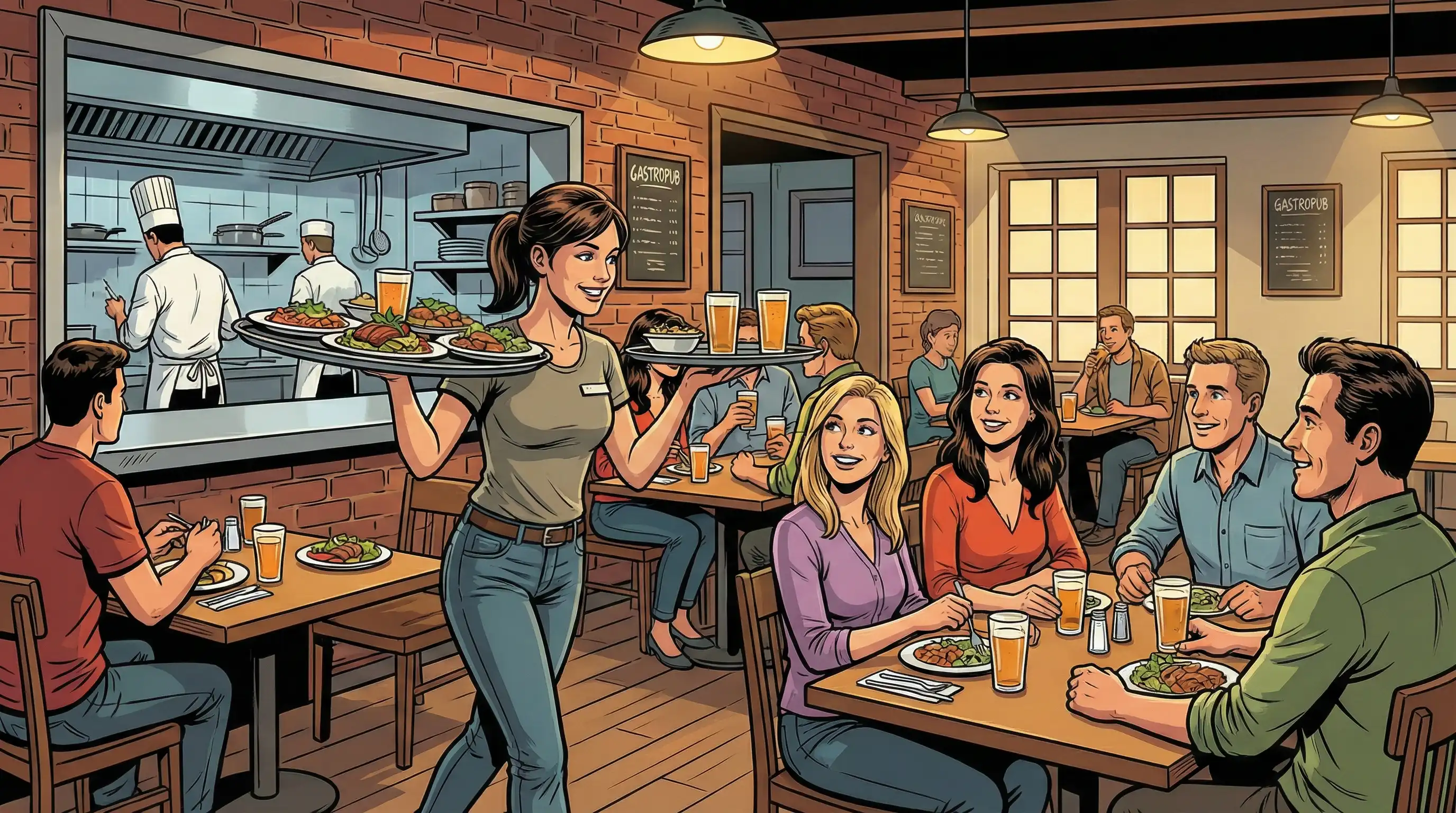
To run a successful gastropub, you need to be able to deal with the particular problems that come with running a hybrid business that involves both restaurant-level cooking and pub-style hospitality.
To run a hybrid pub-restaurant, you need workers who know how to do both. Servers need to know a lot about the food and be able to advise meals with parmesan and basil as easily as they can suggest artisan beers. During busy service times, kitchen personnel need to know how to cook fine food while also keeping up with the pace of a pub.
Training for restaurant staff should include:
Managing peak hours means making sure that tables move over quickly without making customers feel rushed. The idea is to create flow that keeps guests relaxed while getting as many covers as possible.
Managing the stock for a variety of menu items, such as fresh fruits and vegetables, specialty cheeses like sour cream and parmesan, craft spirits, and garnishes like green onions and scallions, requires well-organized protocols and regular checks.
Technology solutions need to meet the specific needs of gastropub operations. The following comparison helps figure out the best ways to do things:
| Criterion | Traditional Pub Management | Gastropub Management | Full Restaurant Management |
|---|---|---|---|
| POS Systems | Basic drink/food tracking | Integrated food/beverage with modifiers | Complex course timing and splits |
| Inventory Tracking | Beverage-focused | Balanced food/beverage with perishable alerts | Detailed food cost tracking |
| Staff Scheduling | Simple coverage needs | Flexible for varying demand | Precise section assignments |
| Guest Experience | Minimal reservation needs | Optional reservations, walk-in friendly | Reservation-dependent |
Integrated POS systems that can handle complicated meal orders and drink service are very important for gastropubs. Inventory management software should keep track of both food that goes bad and bar stock. It should also let managers know when they need to order more and when there is too much waste. Staff scheduling tools should be able to handle the fact that gastropub traffic changes all the time and peaks at random times.
Guest experience technologies, including online reservations and loyalty programs, should make the experience better, not more formal. The idea is to make things easier while keeping the relaxed vibe that guests come to love.
To understand what makes a gastropub restaurant different from other places to eat, you need to know what makes it special and how it works. Here are the main differences between gastropubs, regular pubs, and other kinds of restaurants:
Gastropub restaurants are a unique type of restaurant that combines the best parts of pubs and restaurants. They attract people who want great cuisine and drinks in a laid-back, welcoming setting.
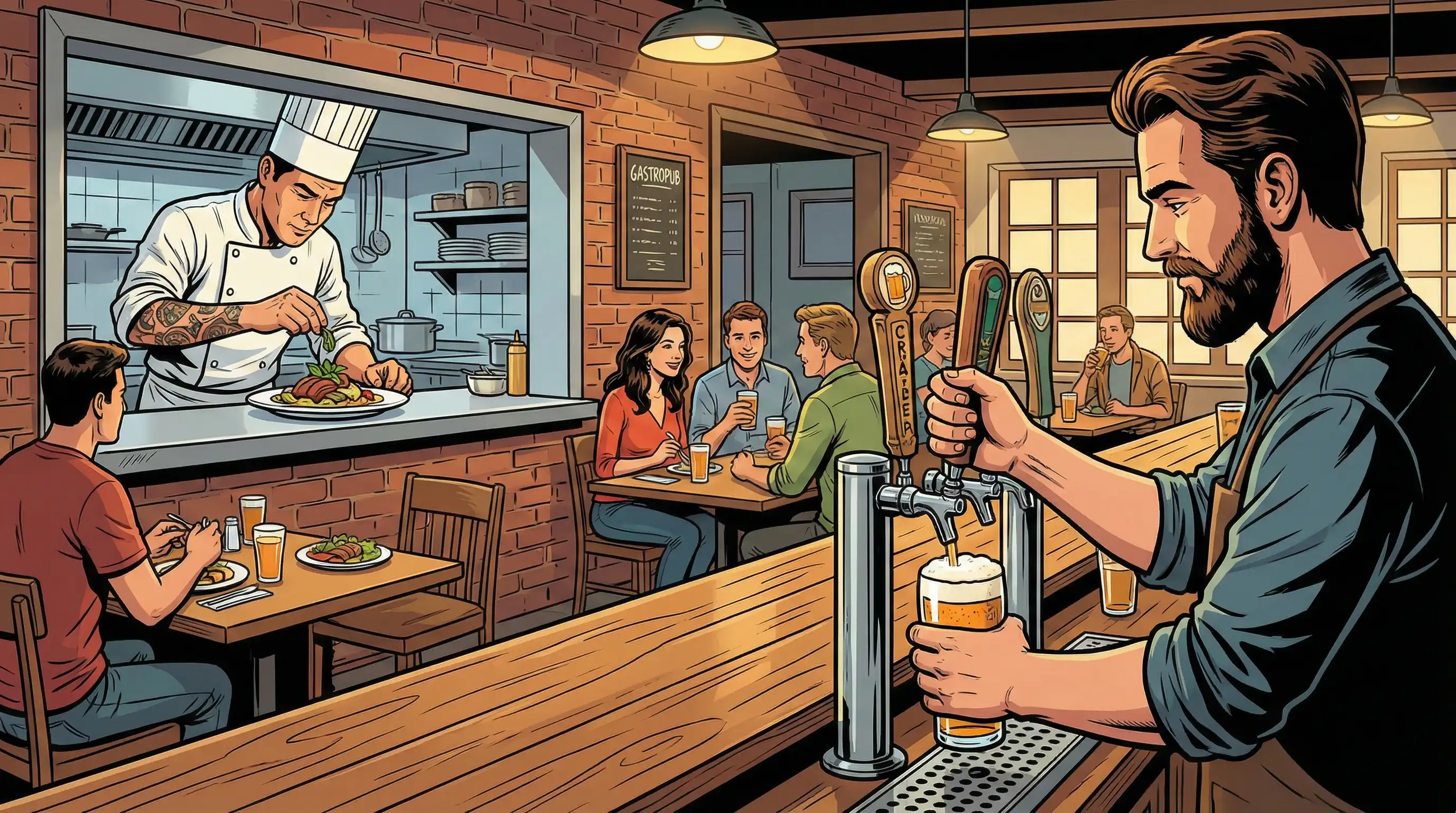
Running a gastropub comes with its own set of problems that need careful thought to solve. Operators can keep the delicate balance that makes a gastropub successful by knowing about these problems.
It takes careful planning to serve meals with flour tortilla quesadillas topped with pico de gallo or plates with brown sugar glazes while yet keeping the pub informal feel. The answer is to show quality without being too formal. For example, use gorgeous plates on simple dishware, serve handmade drinks in the right glassware, and have service that is educated but not stiff.
Without giving a lecture, staff should satisfy guests' interest regarding the food. If someone asks how to make the tomato and basil or the mix of cheeses in a dish, the answer should be helpful and excited, not showy.
Gastropubs have to pay more for meals than other pubs since they use better ingredients. One way to fix this is to use smart menu engineering to balance high-cost meats like salmon with dishes that use less expensive but tasty ingredients like garlic-braised vegetables or dressings created in-house.
As the kitchen gets more complicated, labor costs go up. Cross-training employees, making the best use of prep time, and making menus that make it easy to serve during peak times are all ways to keep costs down without sacrificing quality.
To position yourself, you need to be clear about what makes you special. Gastropubs are different from regular pubs and formal restaurants because they serve great food in a relaxed, friendly setting at reasonable costs. Restaurant marketing can focus on this difference, pointing out that people may enjoy a great dinner while still feeling comfortable at a bar.
Changing seasonal items on the menu keeps things interesting, but it makes managing inventories more difficult. One way to solve this problem is to make sure that the primary menu items stay the same while allowing for changes in the seasonal sections. Make sure your suppliers are willing to take smaller orders of specialist items, and teach your staff how to tell visitors about menu changes in an exciting way.
The gastropub restaurant idea is a long-lasting answer to what customers always want: good cuisine, craft drinks, and a relaxed setting without being too fancy or expensive. To be successful, you need to find a balance between your culinary goals and your operational efficiency. You also need to keep the informal pub culture that guests anticipate while serving food that really makes them happy.
If you're thinking about starting or improving a gastropub, here are some things you can do right away:
Some related areas that are worth looking into are restaurant technology solutions, menu engineering principles, craft beverage trends, and hospitality staffing methods. Each of these can help improve the way a gastropub runs.
Our sales, marketing and custom support stand ready 24/7 worldwide.