


Restaurant Industry Trends 2026
 Mika Takahashi
Last updated Mar 6, 2026
 Mika Takahashi
In 2026, changes in the restaurant industry will decide which businesses do well and which ones have trouble staying profitable in a market that is getting more competitive. The National Restaurant Association says that overall sales will hit $1.55 trillion, which is a small 1.3 percent actual gain after adjusting for inflation. The food service industry will also add 15.8 million jobs.
Consumer confidence is at its lowest position in a long time since the economy is so bad. Economic instability is likely to continue to have a big effect on how people act, making it harder for operators to plan ahead. Inflation, changing prices of goods, and growing energy costs will keep putting pressure on restaurant margins. People are become more worried about price hikes, and consumer sentiment has dropped a lot in the last few months. Households are still dealing with increased costs of living, which means they have less money to spend on going out to eat. This makes value-driven experiences more vital than ever for keeping customers.
This analysis looks at how technological adoption, changes in consumer behavior, economic pressures, and operational changes may affect the restaurant company through 2026. The major goal is still to give restaurant owners useful information that they can use, not generic business advice. Restaurant owners, managers, and hospitality professionals who want to get ahead of the competition will find precise ways to deal with present problems and set themselves up for future success.
In 2026, restaurant industry trends will focus on AI-driven personalization, consumers who are more concerned with getting the best value for their money, and technology solutions that work together to make kitchen operations and customer-facing channels more efficient.
This analysis has some important points to make:
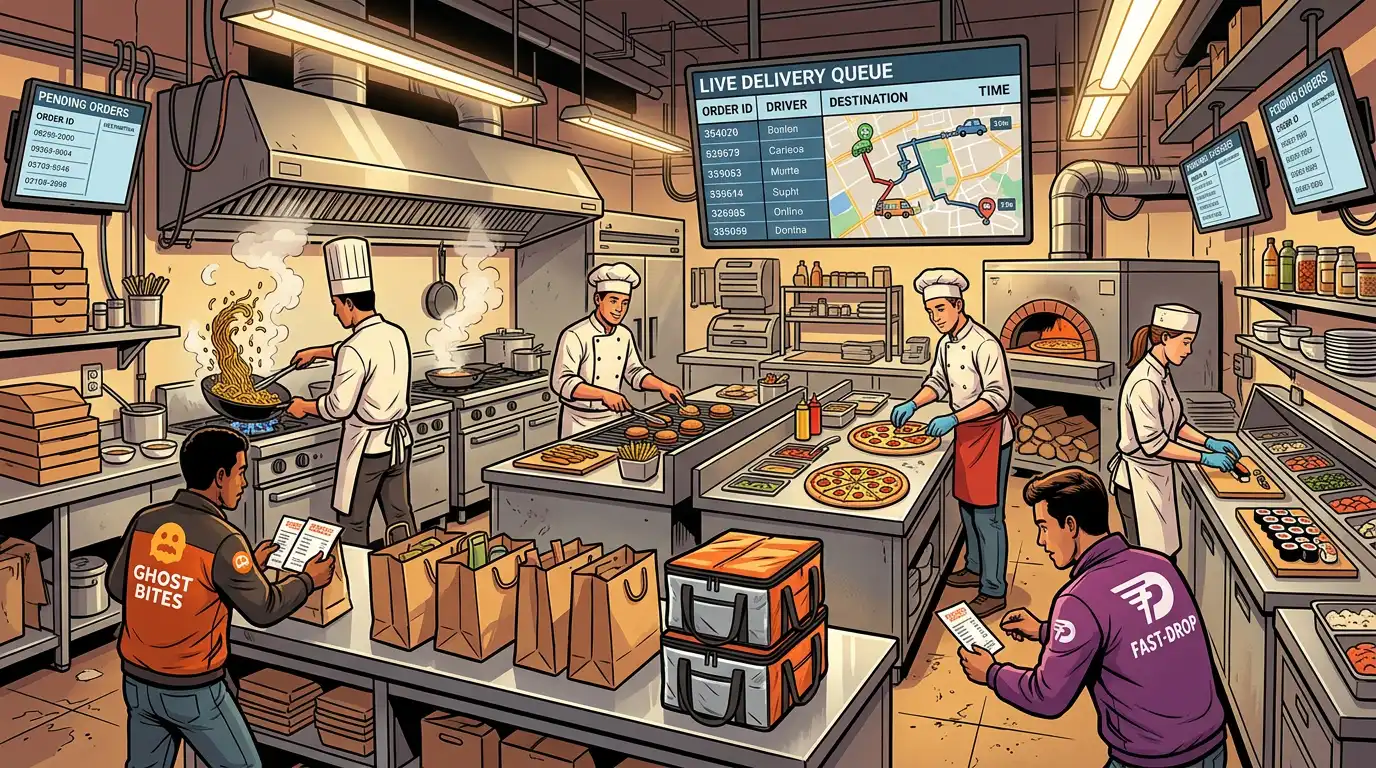
In 2026, the restaurant industry is part of an ecosystem impacted by how people are recovering from the epidemic, ongoing economic uncertainties, and big changes in how people eat out. Restaurant owners have to deal with these interrelated factors while still making money and meeting high customer expectations.
Understanding these crucial criteria is the first step in making smart decisions in the coming year, when operators will have to balance keeping costs down with making the investments needed to be competitive.
Inflation, volatile commodity prices, and growing energy costs are still putting pressure on margins across the board. More than 70% of operators say that food costs are their biggest operational problem, and more than 50% say that labor expenses are a problem. This puts constant pressure on profits and requires creative solutions.
These economic forces are closely related to margin protection methods, which force restaurants to improve their menus, change their pricing structure, and make their operations more efficient. The One Big Beautiful Bill Act gives businesses some tax breaks that help make up for the fact that they are having a hard time running their businesses. This lets them reinvest strategically even when times are tough. Supply chains are still a problem since operators have to deal with changing input costs while keeping the quality of food that customers expect.
Consumer behavior shows the conflict between a constant need for dining experiences and limited consumer spending. More than 70% of Americans, especially younger generations like Gen Z and millennials, say they would eat out more if they had more disposable income. This shows that the reason they don't eat out as much is because they don't have enough money, not because they don't want to.
Lower and middle-income families have to stick to tighter budgets, which means they can't eat out as much as they used to. At the same time, grocery stores are becoming more competitive. According to OpenTable data, Americans go to restaurants an average of 10 times a month, which is an 8% rise from the previous year. However, 60% of operators said that consumer traffic was lower last year. This paradox shows that consumer confidence varies a lot between different groups of people, hence businesses need to use individualized tactics instead of wide advertising strategies that lower margins.
These changes in consumer behavior give clear potential for operators who know what customers want and can offer more than simply a meal. This opens the door for technology-driven solutions that improve the restaurant experience.
Economic pressures and changing customer needs have sped up the use of technology in the restaurant business. Digital convenience is now a must, not a choice. The main ways to improve operational efficiency and keep customers loyal are now through AI adoption and technical progress.
Restaurant owners are starting to use AI technologies more and more to make their businesses run more smoothly. These systems may help with things like predicting demand, keeping track of finances across numerous locations, and giving real-time financial reports. Most restaurants can use these apps to cut down on food waste, hire the right number of workers, and make menu choices based on data.
AI-powered algorithms look at how customers behave to guess how many orders will come in. This helps the kitchen get ready and cuts down on waste. Data analytics may help restaurants figure out what customers like across the menu, so they can improve their offerings based on what people really eat instead of what they think they should. Many restaurants that use these new technologies say that their orders are more accurate and their service is faster. This immediately meets the higher expectations of customers who are used to the convenience of digital technology.
Restaurant digital ordering has become an essential part of how customers order, and off-premises channels like delivery and takeout are still growing. Restaurant apps and mobile apps let restaurants talk directly to customers, which cuts down on their reliance on third-party delivery services that cut into their profits.
Digital convenience has become a basic expectation over the past few years, with quick-service restaurants and limited-service restaurants leading the way. More and more customers expect to be able to place orders without any problems on different channels, such as in-person, mobile, web, and third-party platforms. This means that businesses need integrated channel management solutions. This move to digital also makes cybersecurity more risky, so restaurant owners need to be proactive in managing it so they can protect client data while adding more digital touchpoints.
Personalization technology changes the way restaurants establish client loyalty and suit the demands of each customer. Email campaigns that use personalization make a lot more money than generic emails, and text marketing works great when it's aimed at the right people.
This technology lets operators offer the customized options that younger generations expect, such as tracking dietary preferences and making personalized suggestions based on past orders. The dining experience goes beyond being there in person; digital touchpoints before, during, and after visits create chances for ongoing involvement. Personalization that works meets customers' needs for recognition and relevance, turning transactional interactions into relationship-building moments that bring in more customers and motivate them to come back.
These technology skills are the basis for strategic operational changes that turn digital investments into measurable business results.

Restaurant owners need to use technology to their advantage and come up with smart ways to increase their income, make the most of their investments, and get their businesses ready for development even when the sector is tough.
In 2026, successful operators go beyond old models and create new ways to make money that use their existing skills and adapt to changing consumer tastes.
| Solution Type | Implementation Scope | ROI Timeline | Best Use Case |
|---|---|---|---|
| AI Forecasting Tools | Medium investment | 6-12 months | Multi-location operations with complex inventory |
| Digital Ordering Platforms | Variable by scale | 3-6 months | High off-premises volume restaurants |
| Channel Management Systems | Higher investment | 12-18 months | Operators managing multiple delivery partners |
| Personalization Software | Lower entry point | 6-9 months | Customer retention focus, loyalty programs |
To choose the right technology investments, you need to find solutions that fit your specific operational needs and your available capital. Casual dining businesses might focus on personalization and experience technology, while quick service businesses might focus on making orders faster and more accurate.
Are you feeling the heat at your restaurant? If you run a restaurant, you're probably going through one of the hardest times the business has ever seen. Your clients' behavior is changing in ways that may surprise you, and competition is getting tougher. You're facing growing costs, an unstable economy, and a lot of new dining options. For example, grocery shops now provide gourmet ready-meals, and meal kit delivery services send restaurant-quality meals right to your customers' homes. If you want to stand out in today's crowded market, you need to rethink the whole eating experience because these changes are making you question what you thought you knew about consumer loyalty.
What are you doing to stay on top? Many restaurant owners, like you, have started using technology faster, and for good cause. You use restaurant apps, mobile ordering, and digital platforms to make things easier for your customers and your business. Over the past few years, you've been using data analytics, artificial intelligence, and automation a lot more to make your kitchen run better, cut down on food waste, and keep the quality of your food high, all while keeping your labor costs down and dealing with the staffing problems that keep you up at night.
But here's the thing: adopting new technologies comes with its own set of problems that you need to be mindful about. You need to find a balance between your requirement for operational efficiency and your need to give your clients the individualized, high-quality eating experience they want. Now, managing food waste, making sure deliveries are on time, and keeping your menu items consistent are all important parts of your success. You need to spend money on loyalty programs, targeted digital marketing, and data-driven menu innovation to win new customers and keep the ones you already have. This is because more and more of your customers want digital convenience and customization possibilities.
Have you seen how the competition in your area is changing? Limited-service restaurants, quick-service restaurants, and casual dining concepts are becoming more popular because they focus on price, quickness, and convenience in ways that fit with changing consumer tastes. These models are especially popular with younger people who prioritize digital interaction and flexibility over traditional eating experiences. Because of this, you are definitely rethinking your plans. You may be changing your menu items, trying out new ways to serve clients, and using technology to fulfill their higher expectations.
Your economic pressures and high labor expenses are still problems, but try to see them as opportunities for innovation instead of problems. If you can be flexible and quick to respond, willing to try out new technologies, change with your customers' wants, and focus on making your business run more smoothly, you're in the ideal position to do well in this climate. As you compete not only with other restaurants but also with a wider range of food service options that your customers think about when determining where to spend their dining dollars, you will continue to focus on digital convenience, sustainability, and customisation in the next year.
In the end, your restaurant's ability to respond to these important trends, by investing in mobile apps, improving the customer experience, and using artificial intelligence, will determine whether you can establish loyalty and boost spending. In this fast-changing sector, only restaurants that come up with new ideas, listen to what consumers have to say, and offer more than simply a meal will be able to stay ahead of the competition. How successfully you can adapt to this new environment while still staying true to what makes your restaurant special will determine your success.
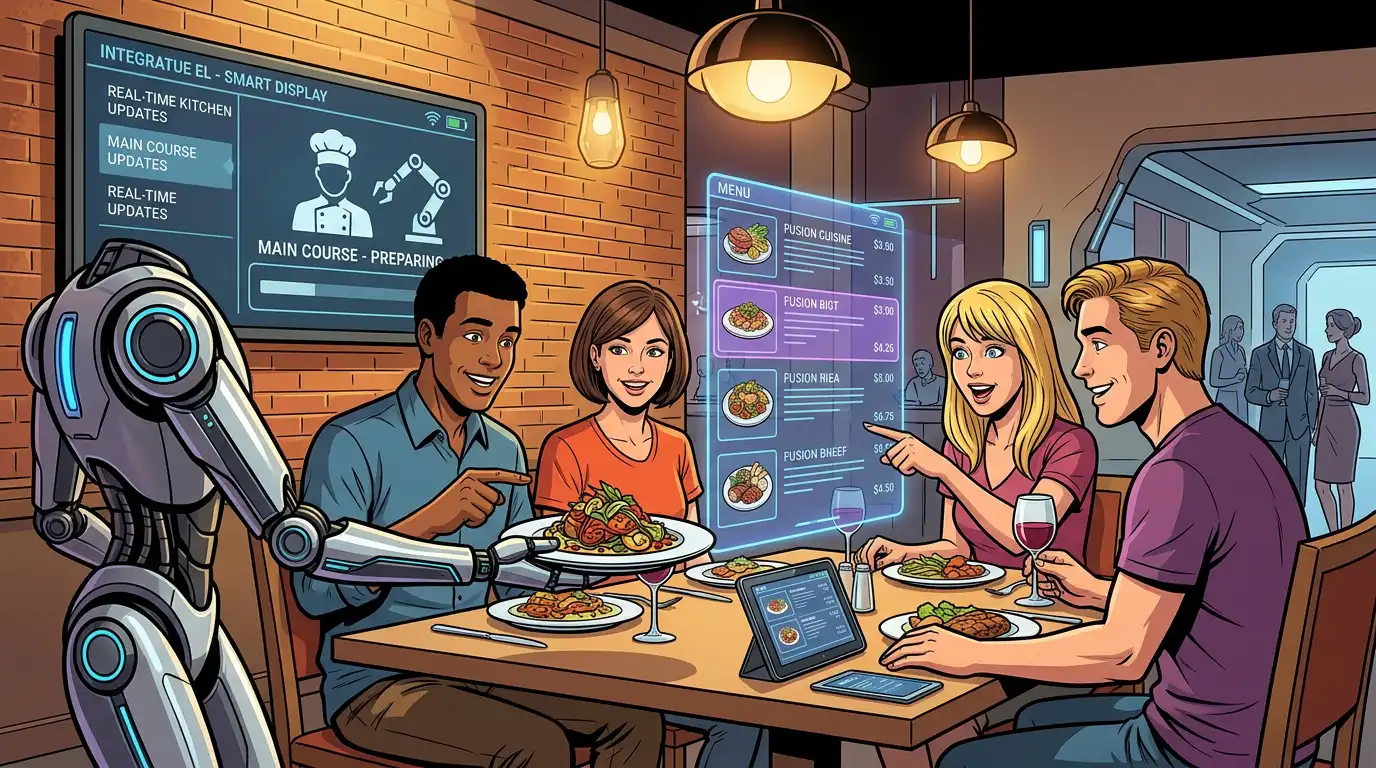
People who run restaurants have to deal with problems that are all connected, so they need to respond to them all at once in a way that affects labor, profitability, and how customers see the business.
Almost three-quarters of operators want to employ in 2026, but they are having trouble finding experienced managers and cooks because the number of 16 to 24 year olds is going down. Some solutions are investing in technology that boosts productivity without taking away from human connection, flexible scheduling systems that let workers choose when they work, and earned pay access programs that help with immediate cash needs. State minimum wage rises make it harder to keep workers, thus investing in keeping them is cheaper than constantly hiring new ones.
Because food and labor costs are taking up more of their revenue, operators need to find ways to minimize costs that don't hurt the quality of the cuisine or the experience that keeps customers coming back. Refining price architecture by changing the size and presentation of portions to keep perceived value is more effective than raising prices across the board. Consolidating vendors and purchasing locally to optimize the supply chain lowers costs while making products fresher and more appealing to customers.
As grocery stores and convenience stores offer more appealing prepared food options, restaurants need to explain their value beyond just pricing. Operators can get more customers during times when they usually don't have many by optimizing happy hour and promotional times. For example, dining between 4 and 5 PM grew by 13%. visitors assume that every visit to a restaurant will deliver on its promise, therefore keeping the quality of food and service the same each time fosters trust that turns trial visitors into devoted regulars.
In 2026, the most important factors for success in the restaurant business will be using technology, putting the customer first, and running the business more efficiently. Operators who use AI to personalize their services, keep their value propositions relevant to budget-conscious customers, and change their formats to fit current dining trends will do better than those who stick with last year's methods.
The restaurant industry trend expects slow but steady development, with the best possibilities going to operators who can handle economic pressures while satisfying high consumer expectations for convenience, customisation, and quality of experience.
Steps you can take right away:
Related topics worth exploring include property management systems for hospitality integration, guest messaging platforms for enhanced communication, and multi-property management solutions for growing restaurant groups seeking operational consistency across locations.
Our sales, marketing and custom support stand ready 24/7 worldwide.