


Service Charge vs Tip: 2026 Guide for Restaurants & Bars
 Mika Takahashi
Last updated Feb 14, 2026
 Mika Takahashi
Restaurant owners, managers, and workers need to know the distinction between service charges vs tips in the restaurant industry. Even while both are extra fees for customer service, they are very different in how they are used, shared, and taxed. A service charge is a fee that the restaurant has to add to the customer's bill. A tip, on the other hand, is a payment that the client can choose to provide directly to the service staff.
This article is just about service charges vs tips at restaurants, bars, pubs, and other places that serve food. We will talk about the legal differences, tax effects, operational issues, and best practices that restaurant owners can follow to handle these payments well while being open with customers and making sure that employees are paid fairly. However, in the end, to maximize restaurant service charges and restaurants tips, everything is about an outstanding service and the overall service quality. Anything less in the service quality will definitely have a negative impact on the mandatory service charges restaurants apply.
Restaurant service charges are mandatory service charges that restaurants add to customers bills. The business controls and allocates these fees. Tips, on the other hand, are optional tips that customers give directly to service staff, and those individuals keep all of the money.
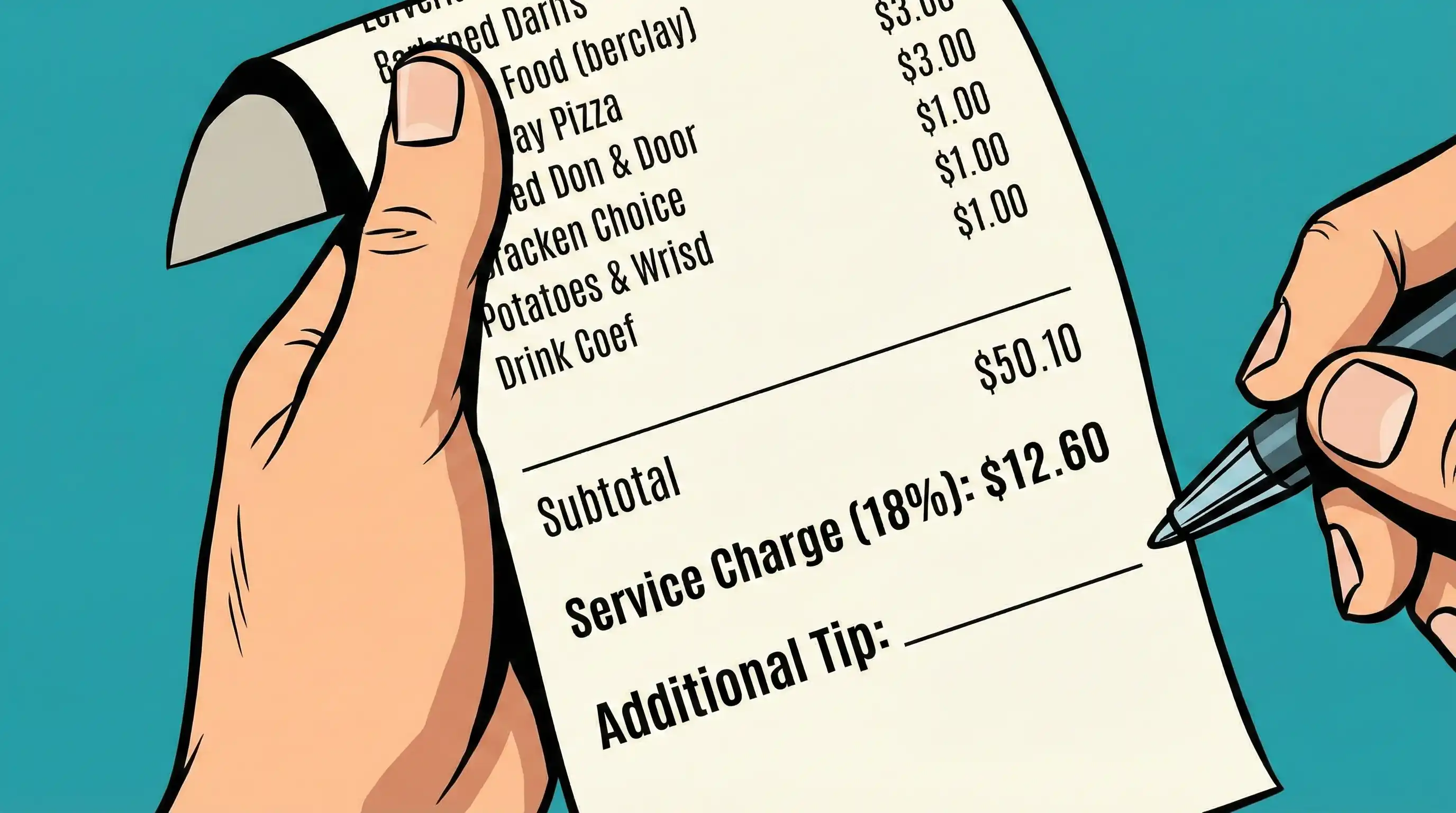
In the restaurant business, restaurant service charges and tips have different functions and are treated differently by the law and in practice. Restaurant operators can follow the rules, handle payroll taxes, and build good connections with both customers and employees if they know these differences.
A restaurant service charge is a cost that the restaurant automatically adds to a customer's bill. It usually varies from 10% to 20% of the overall cost and is often added to big groups, special events, or delivery orders. Service charges are not tips; they are company income. The restaurant can decide how to use this money however it sees fit. They can be used to pay for higher operating costs, employee perks, or salary for staff.
Some common restaurant service charges are:
Tips, or gratuities, are optional payments that clients make directly to service providers to thank them for exceptional or great service. Customers choose how much to tip and whether they want to. You can provide tips in cash or add them to your credit card bill. The person who gets the tip sees it as income.
In a lot of restaurants, tips are collected and split among the front-of-house workers, like servers, bartenders, and bussers. This tip pooling makes sure that everyone gets a fair share of the money, but it still belongs to the employees, not the corporation.
| Aspect | Service Charges | Tips |
|---|---|---|
| Nature | Mandatory fee added by the restaurant | Voluntary payment from the customer |
| Control | Collected and controlled by the restaurant owner | Given directly to service employees |
| Tax Treatment | Reported as business income; subject to payroll taxes | Considered employee income; reported by employees |
| Distribution | Restaurant decides allocation; may cover operational costs or employee wages | Belongs entirely to employees or shared via tip pool |
| Impact on Minimum Wage | Cannot be counted toward tip credit; restaurant must pay full minimum wage | May count toward tip credit where applicable |
| Sales Tax | Service charges are subject to sales tax | Tips are not subject to sales tax |
| Customer Perception | Often causes confusion or frustration if not clearly communicated | Widely expected and culturally ingrained |
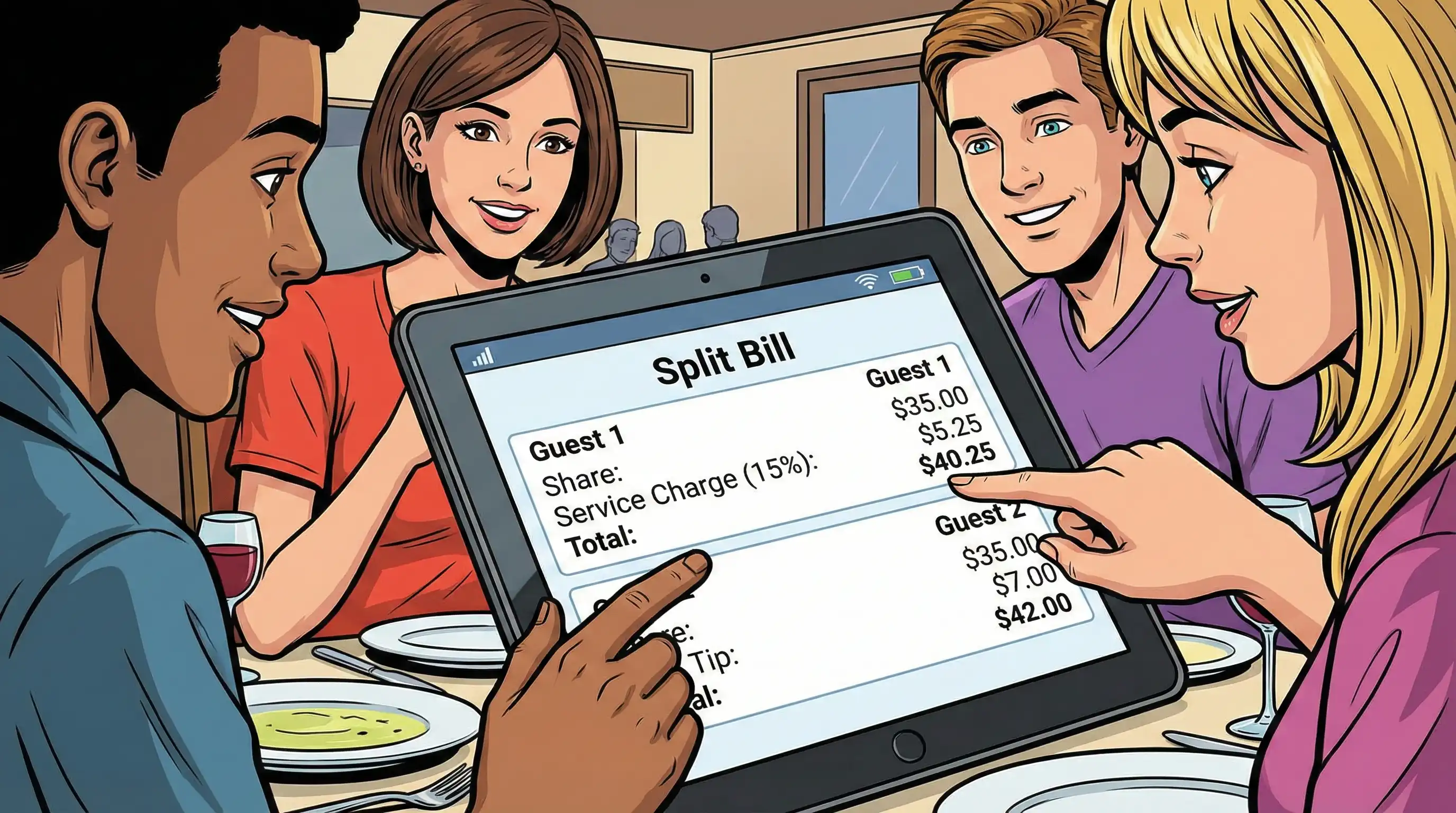
For tax reasons, the Internal Revenue Service (IRS) in the U.S. sees service charges as regular salaries. Restaurants must treat service charge income as company income and deduct payroll taxes, such as Social Security and Medicare taxes, on any part of it that goes to employees. Most places also levy sales tax on service fees. Restaurants can't use service charges to get a tip credit under the Fair Labor Standards Act (FLSA) since they are considered wages. This means that employees must get at least the entire minimum wage, no matter how much money they make from service charges.
Employees must tell their bosses about tips that add up to $20 or more in a month since they are considered income. Employees must record their tip revenue, which is taxed by the federal government and by payroll taxes. Employers have to withhold taxes based on reported tip income and keep records for the IRS. If employees get enough tips, restaurants can claim a tip credit to lower their minimum wage responsibilities. However, this credit does not apply to service charge wages.
In South America, many countries have different rules about taxes and cultural habits when it comes to service charges and tips. However, most of them follow the same rules that say service charges are part of business income. Most of the time, restaurant invoices include a service charge that is required to be paid, along with any applicable sales or value-added taxes (VAT). The restaurant sees these fees as income, and local labor rules say that they can be given to staff as salaries or bonuses.
In South America, tipping norms are different. In many nations, tipping is anticipated but not required, and it usually ranges from 10% to 15% of the bill. of most cases, tips go straight to the restaurant personnel. Depending on the rules of the country, they may or may not be taxed. Some South American countries make workers record their tip revenue for tax purposes, while others are less strict about it. Restaurant operators in the area need to know the specific tax regulations and tipping norms in each country so they can follow the rules and pay their employees fairly.
For tax purposes, service charges and tips are not the same in Mexico. Service charges are fees that are often included in restaurant bills. They are considered part of the business's taxable income and are subject to value-added tax (VAT). The restaurant must declare these fees as income, and they are usually divided up according to the business's rules or local labor laws.
In Mexico, tips are usually optional and paid directly to the person who served you as a thank-you for good service. It's common to tip, however the way tips are taxed can be different. Employees normally have to declare their tip revenue as part of their taxable income, although the rules for enforcement and reporting may not be as strict as they are in other nations. Restaurant operators need to know these guidelines so they may follow Mexican tax regulations and pay their employees appropriately.
In many European countries, service costs are not the same as they are in the U.S. Most of the time, service costs are included in taxable business income and are subject to value-added tax (VAT). The whole service charge usually goes to the restaurant. Depending on local labor laws and practices, it may be given to workers as salaries or bonuses. In other countries, like the U.S., tipping is less of a cultural norm and is generally seen as discretionary or included in the price of the menu.
In Europe, tips are usually seen as optional gifts to service workers, and whether or not they are taxed depends on the jurisdiction. Most of the time, employees get gratuities directly, and the way taxes are handled is very different. Some countries require tips to be reported as income, while others are less strict.
Asian countries have many different tax systems and cultural norms, therefore how they tax service charges and tips is very different. In a lot of Asian countries, service charges are added to bills and counted as part of the business's taxable income. Local sales or service taxes may apply to these fees, and the restaurant usually divides them up according to its own rules or local laws.
In Asia, tipping is very different from one country to the next. In some places, it is not frequent or even discouraged, while in others, it is growing increasingly common because of Western influence. When people tip, they usually do it on their own and see it as a direct present to the person who served them. Taxes on gratuities are different in different places and are sometimes less strict than in Western countries. However, service charges are usually disclosed and taxed like company revenue.
Multinational restaurant owners and operators need to know about these distinctions between regions so they can follow local tax rules and handle payroll and employee pay properly.
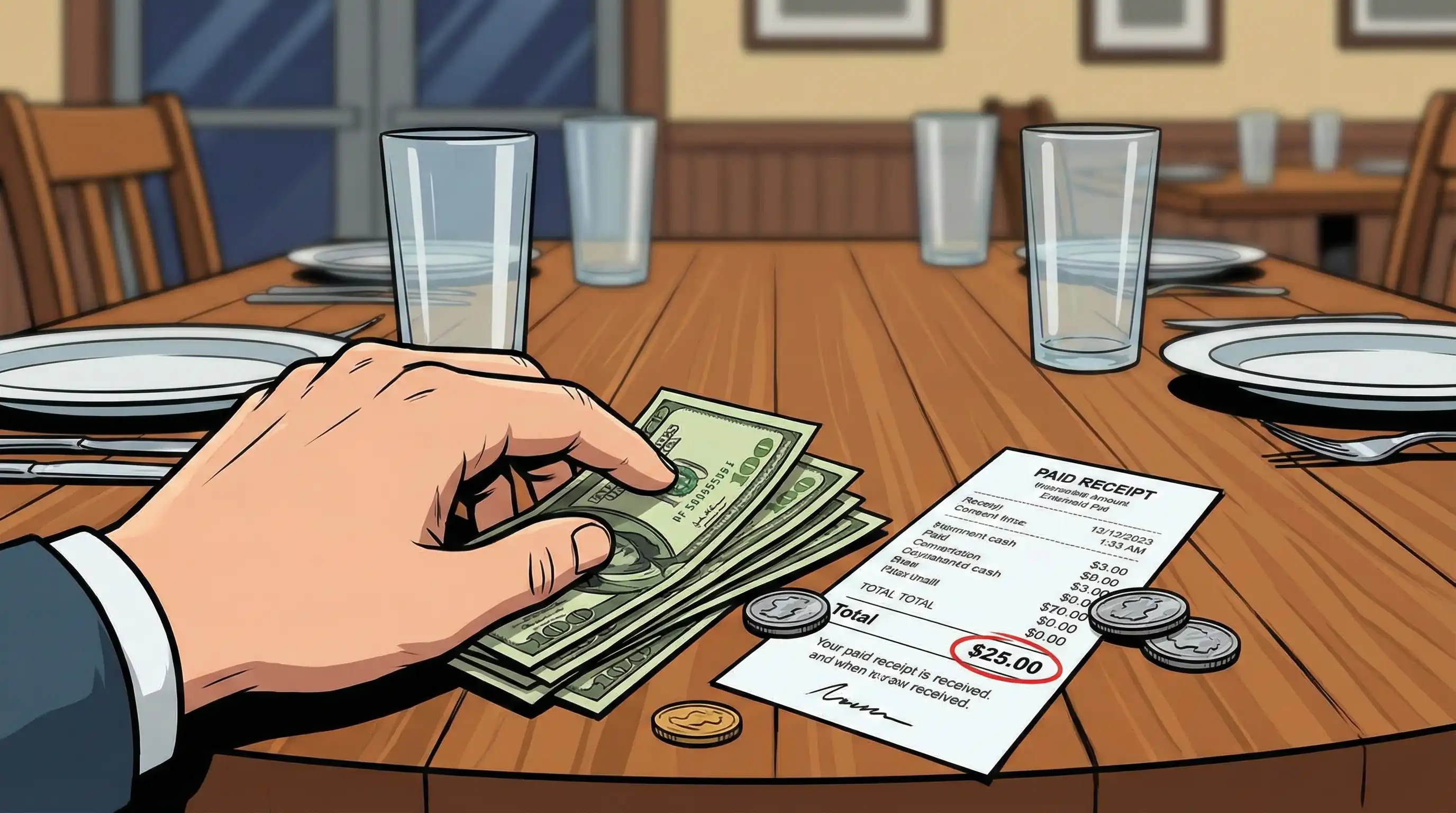
Service charges help restaurants deal with rising costs of doing business, like higher minimum salaries, employee benefits, and credit card processing fees. A lot of businesses use service charges to give their employees better benefits, such paid time off and health insurance. This helps keep employees and boosts morale.
But if service prices aren't communicated adequately, they might make customers feel bad about the business. Automatic fees can confuse or surprise customers, which can hurt the dining experience and make them less likely to come back.
To keep trust, it is important to be clear and open about service pricing. Restaurants should put extensive information on their menus, websites, and receipts, and teach their personnel how to answer consumer questions with confidence.
Different restaurants have different rules regarding how to deal with tips and service charges, but best practices stress fairness, honesty, and following the rules.
Restaurants can use service charges in many ways because they are a source of income for the business.
Restaurants must follow local rules about distribution and make sure their workers know how service charges effect their pay.
Most of the time, tips go straight to the waiters, bartenders, and other staff members that work in the front of the house. Many restaurants use tip pooling systems to divide tips among several workers, such as hosts and bussers.
Employers should keep good records of how much money their employees make in tips and make sure that their employees know how to report this information. Clear rules assist keep disagreements from happening and make sure everyone gets paid fairly.
In the restaurant business, service charges and tips serve different purposes. Service charges give restaurants a steady stream of income to help pay for rising costs and employee benefits. Tips, on the other hand, are voluntary rewards that go directly to the service workers.
Restaurant operators may make fair pay systems, stay in compliance, and build good connections with customers and staff by knowing the distinctions, tax consequences, and best ways to handle these payments.
Restaurant owners who want to improve how they handle service charges and tips can do so by using clear communication methods and current point-of-sale and payroll systems. These tools can make operations run more smoothly and help the business do better overall.
Our sales, marketing and custom support stand ready 24/7 worldwide.