


What is a Line Cook in a Restaurant?
 Mika Takahashi
Last updated Mar 5, 2026
 Mika Takahashi
A line cook works in a restaurant's kitchen and is in charge of a single station on the cooking line. They make and serve menu items quickly and accurately. This job, which can also be called a chef de partie, station chef, or line chef, is the most important part of running a professional kitchen.
A restaurant cook is a professional chef that works in a commercial kitchen and is in charge of making sure that food is safe to eat and meets quality standards. All restaurant cooks have to cook meals, which requires them to be quick, skilled, and pay attention to every detail.
This blog article covers everything about working as a line cook in a restaurant, including everyday tasks, necessary abilities, and chances for professional growth. If you want to be a chef, are a restaurant management trying to employ the ideal line cook, or are new to the hospitality sector and want to learn how kitchens work, you'll find useful information here. It's important to know this function since line cooks affect the quality of the cuisine, the timing of the service, and the happiness of the guests at every restaurant, from casual to fine dining.
A line cook is a member of the kitchen staff who works at a specific station, follows the head chef's directions to prepare ingredients, cook dishes quickly during service, and keep food safe.
You'll know by the end of this guide:
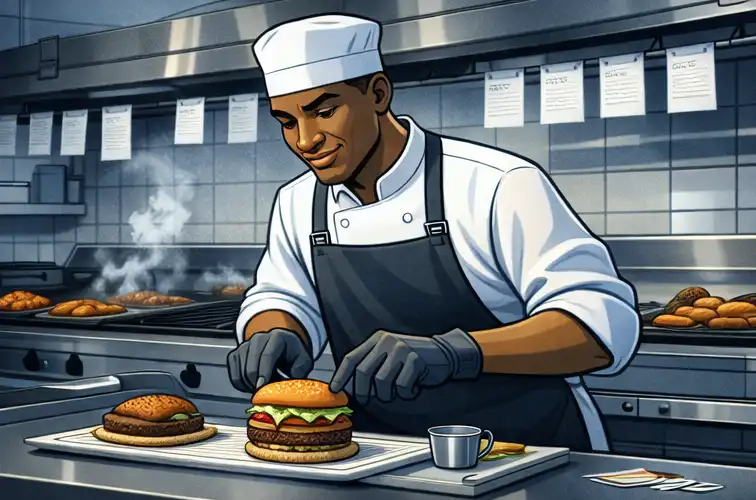
A line cook is in charge of cooking and plating meals at a specific food station in a commercial kitchen during service hours. As a line cook, you are responsible for making meals at your station, following food safety rules, helping with kitchen operations, and working quickly and efficiently with the rest of the kitchen staff to make sure that everything is consistent and of good quality. Line cooks are in charge of cooking the food, which means turning ready ingredients into finished menu items that diners can enjoy. Prep cooks, on the other hand, focus on duties that happen before the food is cooked.
During service, line cooks operate at specific stations and focus on one area, including sautéing, grilling, frying, or making salads.
This job is very important to the restaurant since how well each station does its job affects how happy the customers are. When experienced line cooks do a good job, everything in the kitchen runs well, tickets go swiftly, and consumers always get dishes that match what the executive chef had in mind.
Line cooks are in the middle of the classic French kitchen brigade system, which was created by Auguste Escoffier and is still used in restaurants today. During serving, they get directions and feedback directly from the sous chef or head chef. Line cooks must follow the chef's instructions to make sure that every meal is made the same way and correctly.
The sous chef (who oversees many stations and keeps track of inventory) and the chef de cuisine or executive chef (who creates menus and runs the kitchen as a whole) sit above the line cooks. Below them are kitchen assistants and prep cooks who do the first steps in preparing food. This hierarchy makes it easy to talk to each other. The first cook at a station may be in charge of the station helpers, but the head chef is the one who has the last say through the sous chef to each station cook.
Line cooks follow set recipes and plating rules to make sure that everything is the same. They work under the head chef or sous chef.
A lot of line cooks begin at the bottom and work their way up via this system. According to industry experts, 60–70% of kitchen promotions originate from people who already work there. This means that the line cook job is a good way to start a career in cooking.
In a busy restaurant kitchen, there are usually numerous food stations, each with its own set of skills:
Grill Station: The grill cook is in charge of cooking meats that need a lot of heat, such steaks, burgers, and fish. To get the right Maillard reaction without overcooking, this station needs to be able to manage the temperature (130°F internal for medium-rare beef) and timing.
This station cook is in charge of pan-frying things, deglazing them with wine or stock to make sauces, and timing flips to keep the juices in. A lot of people think this is one of the hardest jobs to do. Line cooks at the sauté or pasta station are also in charge of putting together and cooking pasta dishes, making sure they are cooked al dente and served correctly.
The fry station cook keeps an eye on the oil temperature all the time and cooks things like french fries and tempura at 350–375°F to make them crispy.
Garde Manger (Cold Station): Prepares salads, cold appetizers, and cold parts of dishes with exact dressings and presentations.
Pastry Station: Works with pastries and baked items, which need different skills than savory cookery.
In bigger kitchens, a line cook in charge of one station may have one or two helpers. In smaller kitchens, line cooks need to be able to do more than one job at a time.
There are two main parts to the job of line cook. Before service, mise en place (French for "put in place") means setting up the station by washing, chopping, and preparing ingredients. It also means carefully preparing food, such as cutting proteins into exact weights (for example, 6-ounce salmon fillets), cutting vegetables into uniform dices so they cook at the same time, making sauces, and organizing stations so service goes smoothly. Line cooks can make dishes quickly during busy service times if they do all the prep work ahead of time.
This setup stage can take 2 to 4 hours before the doors open. Line cooks use thorough checklists to make sure that all of the ingredients are within reach when the tickets start coming in.
When you're on active duty, the attention is completely on execution. Line cooks take orders, make sure everything is ready on time, and plate food that meets strict quality standards. The rhythm of restaurant life is the change from peaceful preparation to high-intensity service.
Let's go over the precise chores line cooks do throughout a regular shift, building on the difference between prep and service. Line cooks have to be able to prepare food quickly and well in a busy kitchen.
Line cooks keep their station clean and get orders ready as they come in. They cook proteins to the right temperature and put together dishes according to instructions.
Mise en place is the key to good service. Before they open, line cooks:
Getting the ingredients ready: This means cutting proteins into pieces, making sauces like beurre blanc by whisking them at the right temperature and controlling the temperature, getting the ingredients ready for speedy assembly, and getting the garnishes ready. All the food items needed for the menu must be ready.
Set up stations: There are certain steps to take when setting up equipment, such as heating cooking surfaces, calibrating deep fryer temperatures, and putting tools where they can be reached. The speed of service is directly affected by how efficiently the station is arranged.
Check for Food Safety Compliance: Line cooks make sure that cold goods stay below 41°F, hot-holding equipment stays above 135°F, and sanitizing solutions have the right concentrations. These tests are based on HACCP principles since the CDC tracks 48 million foodborne illnesses per year that are caused by improper food handling.
Stock Refrigeration: Prepped products are put in the station's refrigerators.ogical order, with proteins and vegetables positioned for efficient access during service.
When service starts, line cooks labor very hard:
Kitchen ticket management: Orders come in on tickets or screens. Line cooks read, prioritize, and keep track of many orders at once, sometimes managing 15 to 20 tickets at once. In kitchens with a lot of orders, this can entail processing more than 100 orders an hour.
Timing Coordination: Line cooks talk to each other over the phone, saying things like "grill protein 90 seconds from done," to make sure that all the parts of a meal are ready at the same time. During busy shifts, poor coordination might make people wait at tables for 10 to 20 minutes.
Quality Control: Before leaving the station, every dish must fulfill presentation criteria. Line cooks check to see if food is done (using thermometers or their own senses), make sure the servings are right, and make sure the plating is what the chef wants. The greatest line cooks keep the same level of excellence for every dish they make, whether it's the 10th or 200th of the night.
Multitasking: A station cook might watch four proteins at different levels of doneness while refilling herbs and giving out timing updates. This split-second multitasking is what makes excellent line cooks stand out from good ones.
After the last ticket, work goes on:
Cleaning Protocols: Line cooks clean all cooking surfaces, sanitize prep areas according to FDA rules (every 4 hours during service and thoroughly after service), and put equipment back where it belongs.
Equipment Maintenance: Basic checks make sure that grills, fryers, and refrigerators work properly. Before the following shift, people report problems so they can be fixed.
Tracking Inventory and Waste: Line cooks keep track of how much food is left to prepare, mark things that need to be restocked, and keep track of waste to help management keep food prices down.
Next-Day Prep: Experienced line cooks typically start getting things ready for the next day, such making marinades and getting slow-cooking foods ready. This makes the most of each shift's time.
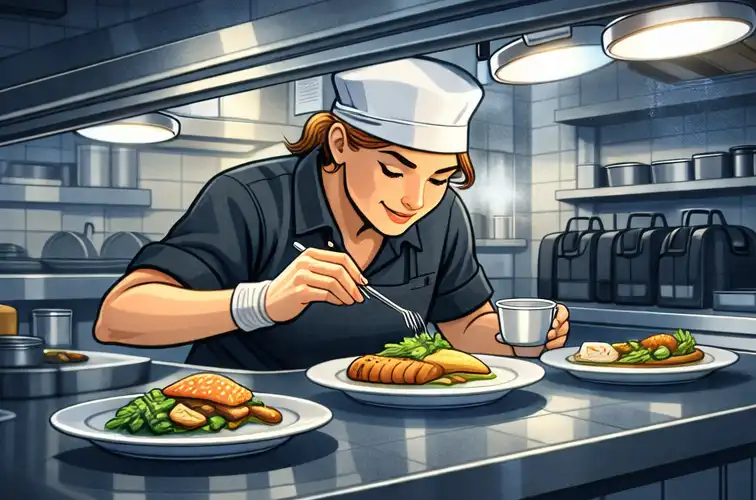
A busy restaurant kitchen needs people who are good with both technology and people skills. Requirements differ depending on the sort of restaurant and how busy it is, but the basic skills needed are the same. In a busy commercial kitchen, a restaurant cook needs to have stamina, be able to pay attention to detail, and be able to work quickly under pressure. They often operate as part of a team to do specialized jobs.
Depending on where you live, line cooks may need to acquire qualifications in food safety and responsible alcohol serving.
Cooking Techniques: Line cooks need to know how to grill, fry, sauté, and braise in order to be able to cook menu items correctly no matter what station they are at. It takes practice to learn how to control heat, time, and sensory cues, like testing pasta for al dente by biting it.
Knife Skills: Being able to use knives quickly and accurately lets you prepare food quickly and display it like a pro. Using the right technique also keeps you from getting repetitive strain injuries that are frequent in the kitchen.
Managing many orders at once demands mental organization and the ability to set priorities. A great line cook recognizes right away which chores need to be done now and which can wait two minutes.
Most workplaces want you to have a ServSafe or similar certification in food safety. Knowing about temperature danger zones, how to stop cross-contamination, and how to keep things clean keeps guests safe and follows health codes.
Communication: Being able to talk to others well is really important. When moving, saying "behind," verifying commands verbally, and coordinating time with nearby stations all help avoid accidents and delays. The kitchen line works like an assembly line, and communication keeps everything running smoothly.
Formal Culinary Education: People that went to culinary school learned basic skills, food science, and how to network in the profession. There are programs that last from six months to four years. But you don't have to go to school to learn how to cook. Many great cooks never went to school.
Training on the Job: Line cooks frequently learn by doing. It's still possible to start as a prep cook or dishwasher, learn each station, and move up according on how well you do. Many chefs say that this method teaches you more useful skills than just going to school.
Most jobs require a high school diploma and a food handler certification. A lot of line cooks start out in entry-level jobs without much experience, but having 1–2 years of experience in food service makes applications much stronger. Some businesses don't care about formal schooling at all; they care more about attitude and how easy it is to train someone.
Mentorship Programs: Learning from a more experienced cook helps you get better faster. The apprenticeship approach, which lets you learn directly from sous chefs and executive chefs, is still a great way to go forward in your career.
The line cook job is the first step to becoming a kitchen leader:
Progression Path: Line cooks move up to senior line cook or station chef, and eventually to sous chef, where they are in charge of several stations and keep track of inventory. After that, you can become a chef de cuisine or an executive chef.
Entry-level line cooks in the U.S. make between $30,000 to $45,000 a year (2026 numbers). Fine dining jobs in cities may pay more than $50,000, plus tips. Sous chefs and executive chefs make a lot more money than other chefs.
Management Skills: To move up in your career, you need to learn more than just how to cook. You need to learn how to manage inventory, schedule workers, control costs, and create menus. Line cooks who understand how restaurants work as a whole are ready to become leaders. In the culinary field, people who are good at both technical work and managing a team are rewarded.
There are a lot of problems in the restaurant business. Line cooks can have lengthy careers if they understand these problems and how to deal with them.
Stress levels rise when shifts are busy. When 50 tickets are hanging at once and tables are waiting, panic makes things worse.
Make procedures for before service that help you feel more confident. When things get busy, just focus on the task at hand: the next flip or the current dish. Instead of shutting yourself off from your team, talk to them all the time. Many experienced line cooks say that during busy service, they reach a "flow state" when their movements become instinctive and their stress turns into focused energy.
Line cooks spend 10 to 12 hours a day on their feet in kitchens that can get up to 90 to 100 degrees. Doing the same things over and over again, such using a knife, lifting, and reaching, can lead to injuries. Line cooks often have to move big boxes of meat or vegetables during deliveries and when they are keeping track of their inventory. This makes the task even more physically demanding. OSHA data suggests that 5 to 7 full-time hospitality workers get hurt every year, mostly from cuts and burns.
Wearing the right shoes with support helps you feel less tired and puts less stress on your back. Stretching before and during breaks keeps your muscles from getting hurt. Learning how to use a knife properly can help you avoid carpal tunnel syndrome. Taking real breaks, not merely moving to a different area, helps the body heal. Staying hydrated in hot kitchens keeps your energy up for long periods of time.
Line cooks sometimes have to work late at night, on weekends, and on holidays, which can make them feel burned out.
Even the best line chefs find it hard to keep the same quality of food for over 200 orders every night. Doing things too quickly causes mistakes and waste.
Mise en place is key; if you prepare everything ahead of time, you won't have to make things up on the spot. Make checklists for each station that are always there. Don't guess; use timers and thermometers. Make systems for portioning that make sure everything is the same without having to measure all the time during busy times. When you make a mistake, take a little break to reset instead of rushing to the next ticket and making things worse.
Are you curious about the pay and benefits you may anticipate as a line cook? The answer isn't simple; your income potential can change a lot depending on where you work, how much experience you have, and what kind of place you choose. You can expect to make between $15 and $22 an hour on average. But here's where it gets interesting: if you have specialized skills like grilling or have worked as a sous chef, you could make more than $25 an hour, especially in high-demand markets or at fine dining restaurants that everyone wants to work at.
But your pay package is much more than just the base hourly wage. Think of extra advantages as the secret spices that might make your job really tasty. As restaurants fight intensely to hire and keep competent kitchen workers like you, you may find health insurance, paid time off, and meal discounts on the table. These are all benefits that are becoming more popular. Some smart employers even offer line cook training programs, help with tuition for culinary school, or scholarships for formal culinary training. In other words, they are investing in your future success in the culinary business.
What is it about the job of line cook that makes it so exciting? There are many real and significant chances for advancement. You can start at entry-level jobs and work your way up to higher-level jobs like sous chef or even chef de cuisine by showing that you know how to cook, follow food safety rules, and use a knife well. Many restaurants will give you bonuses or profit-sharing schemes as you improve, especially if you take on more tasks or help train new team members. This makes you more than simply an employee; you're a valuable part of the kitchen's success.
There is much more to being a line cook than just getting a regular wage. You'll have a lot of different tasks to do and be able to use your imagination when cooking and serving meals. You'll also do well in a fast-paced, ever-changing work environment and make friends with your coworkers. It's quite fulfilling to make meals well and quickly, knowing that you're part of a team that provides great cuisine and service to guests who rely on your skills.
But let's be honest about what will happen. You'll often have to work long hours in stressful situations, especially when it's really busy and the orders keep rolling in. The physical challenges are genuine. You'll have to stand for long amounts of time, lift big boxes, and work in hot kitchens that require both strength and endurance. To be successful, you need more than just technical skills like knowing how to use a knife and how to keep food safe. You also need to be good at soft skills like communicating well, working well with others, and managing your time well.
If you've gone to culinary school or taken professional culinary training, you can make even more money and move up the ladder even faster. Think of your specific talents and strong work ethic as your edge over other experienced line cooks. They can help you stand out and provide you the chance to take on leadership jobs that pay much more during your culinary career.
Your pay and benefits as a line cook are a reflection of how hard the job is and how rewarding it can be. You can have a successful and satisfying career in the restaurant sector if you are dedicated, keep learning as a line cook, and work on improving both your technical and people skills. This information regarding pay can help you make smart choices about your career path, whether you're just starting out in the kitchen or ready to take the next big step.
Line cooks are highly skilled professionals that make the restaurant's vision come to life by their technical skills, physical strength, and ability to work well with others. The job requires a high level of skill in cooking, a strong commitment to food safety, and the ability to work well under pressure. However, those who improve their skills may clearly move up in their careers.
Immediate actions to pursue this path:
If you want to work in hospitality in a wider sense, you could look into restaurant management, food service operations, or culinary technology. These are all fields where line cook experience gives you a great grasp of how kitchens really work.
Our sales, marketing and custom support stand ready 24/7 worldwide.