


What Is Happy Hour? 2026 Strategies & Menu Ideas for Success
 Mika Takahashi
Last updated Feb 13, 2026
 Mika Takahashi
What is happy hour? During happy hour, which is a set time for pubs, restaurants, and hotels to provide reduced drinks and food, business is usually slow. This marketing tactic turns slow afternoons into money-making opportunities while also giving people a cheap chance to relax with friends after work.
This article tells hospitality workers all they need to know about setting up a happy hour, from when to do it and how to make the menu to making sure it is legal and making the most money. You may use this information to create promos that work for your hotel restaurant in Hawaii, your neighborhood bar, or your beachside venue, no matter where you are.
During the late afternoon, happy hour usually lasts for 2 to 4 hours (usually from 4:00 PM to 7:00 PM). It offers 20 to 50 percent off on certain drinks and menu items to bring in customers when business is slow.
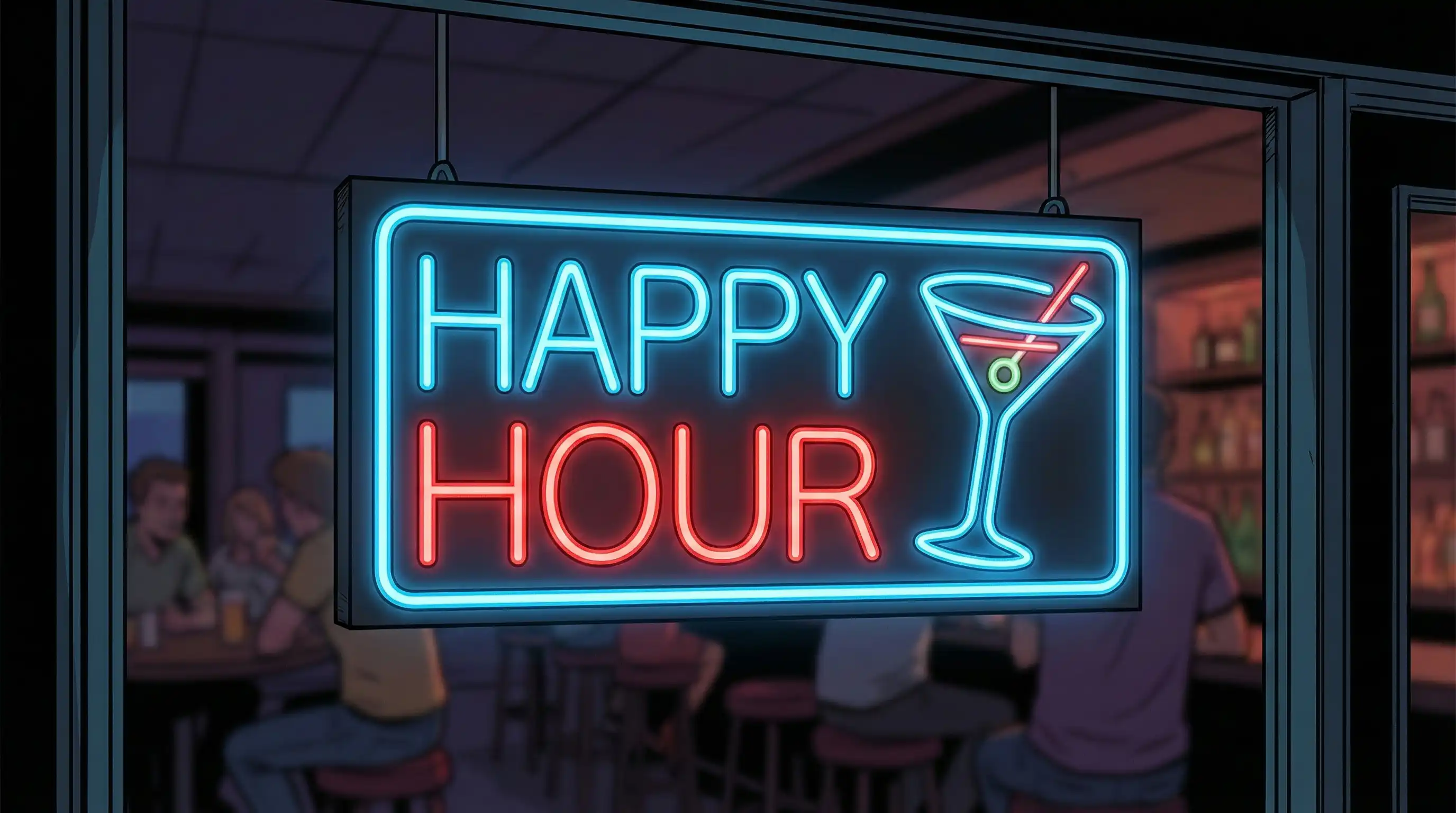
Happy hour is a way for restaurants to manage their money during the slow time between lunch and dinner, which is a problem that all restaurants face. By giving deals at certain times, businesses fill seats, keep employees busy, and get customers used to coming back even when there aren't any deals.
Happy hour is a set time when businesses provide lower prices on drinks, food, and sometimes entertainment. The main business aims are to get more people to come in during slow times, make money that would have been lost, and build customer loyalty by making them feel like they are getting a good deal.
This plan is based on bigger ideas about how to make more money. Instead of letting tables remain vacant from 3:00 PM to 6:00 PM, smart operators use happy hour bargains to fill them up, make their employees work more efficiently, and give customers the chance to upgrade to full-price dinner service.
The phrase "happy hour deals" comes from things that the U.S. Navy did in the early 1900s. During the years 1913–1914, sailors on the USS Arkansas set up "Happy Hour Social" events. These were twice-weekly gatherings with music, dancing, boxing contests, and games to lift spirits during long trips. It is important to note that these celebrations did not include alcohol, as Navy rules forbade it on ships.
During Prohibition (1920–1933), Americans went to speakeasies for cocktails before supper. This changed the drinking culture. These places served cheap drinks and snacks, and they mixed bad illegal booze with mixers to make classic cocktails like the Martini and Manhattan.
After Prohibition, restaurants and bars made these deals official to fill up quiet afternoons. By the 1960s, happy hour was a part of corporate social life, and by the 1980s, it was a normal part of American nightlife. Happy hour menus today are the result of years of change, from modest drink discounts to full-fledged promotional events.
Based on these basic ideas, a successful happy hour needs to have a well-planned schedule that strikes a balance between making things easy for customers and keeping things running smoothly.
Most places have happy hour from late afternoon to early evening on weekdays. These are the most frequent windows:
Different types of venues have different hours on the weekends. Hotel restaurants typically include happy hour offers on Saturday and Sunday as well, so that guests who are on vacation can enjoy them all weekend long. Standalone bars may only offer deals on weekdays to preserve sales that make more money on the weekends.
Timing is also important for any industry. Hotels near convention centers might have early afternoon promotions (from 2:00 PM to 5:00 PM) to get people who are attending the conference between sessions. On the other hand, pubs in the area that serve regulars usually only stay open for a few hours after work.
Smart operators change the time of happy hour based on the time of year and local events. During the busy season, beach bars in tourist areas stay open longer. On the other hand, venues in business districts may close earlier in the summer while office personnel are on holiday.
Happy hours specials on holidays are special chances. The day before Thanksgiving, the afternoon of New Year's Eve, and the Friday before major holidays are all times when traffic is usually very high. Timing of special events, like sports championships, local festivals, or industry conferences, lets venues draw in people that wouldn't ordinarily come during regular hours.
Research and industry standards show that the best length for a happy hour is between 2 and 4 hours. Shorter windows make people feel rushed, but they might not get enough consumers. Longer windows could hurt full-price dinner sales.
Think about these ways to use frequency:
The secret is to achieve the right mix that brings in customers without making them think they should always get a discount when they eat at your restaurant.
Now that the date is set, the next step is to develop a menu that will draw in guests while still making money.
Most happy hour promotions are based on discounts on alcohol. Some common ways are:
Signature drinks at lower costs can show off your bartending abilities and give customers a taste of your whole menu. But make sure to verify your local laws, because certain states don't allow certain kinds of drink specials.
For an inclusive consumer experience, it's important to have non-alcoholic options. Discounted mocktails, specialty sodas, and high-end coffee drinks are available for designated drivers and people who don't want to drink. This method greatly increases the number of people who could become your customers.
Happy hour menus with food lead to larger average checks and longer stays. Some popular options are:
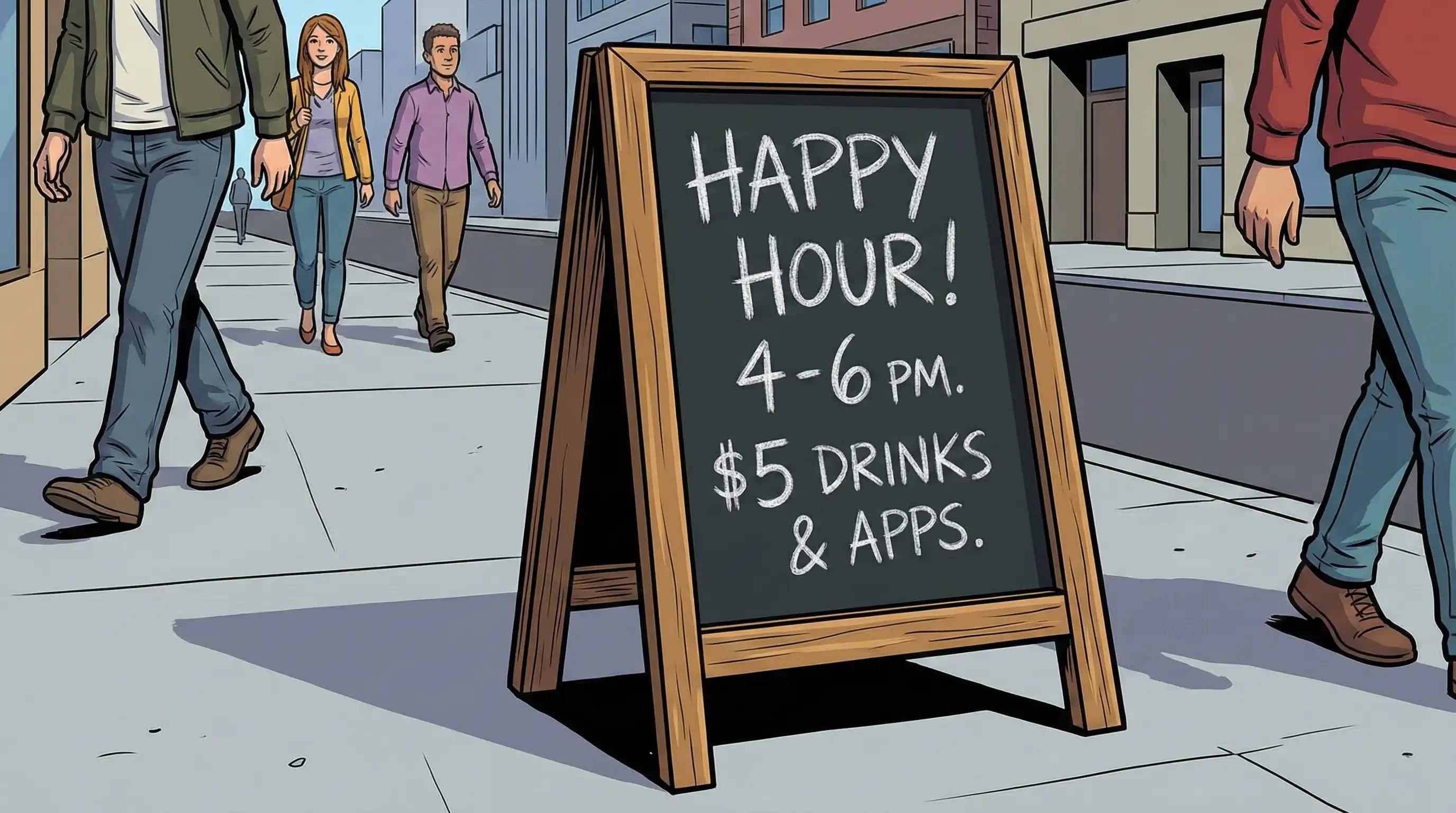
During happy hour, food prices usually vary from $5 to $12. A slider trio that costs $5 instead of the usual $12 gives the impression of value while keeping appropriate margins on things that sell a lot.
You need to think carefully about how much space your kitchen has. Happy hours that center on food need enough time and workers to prepare. During busy times, items that can be partially prepared ahead of time, including sauces, garnishes, and pre-portioned proteins, cut down on ticket times.
Happy hours that are successful generally include entertainment that makes consumers want to stay longer, in addition to food and drinks:
These extras turn a simple discount period into an experience that customers want to have with their friends.
You need to plan ahead for hiring, marketing, and tracking results if you want to make menu concepts into real-life businesses.
Before opening, make sure that bartenders and staff know all the rules for happy hour:
Plan for the right number of staff for the higher volume. During happy hour, traffic usually goes up by 20% to 50%, which means that more bartenders and servers are needed than during normal slow times.
To effectively promote your business, you need to know where your prospective clients receive their information:
For some groups of people, print advertising still works. Table cards, door hangers at adjacent hotels, and brochures in the lobbies of office buildings can help those who don't follow you on social media learn about you.
Set baseline measurements before the launch, then check on progress every week:
| Metric | Poor Performance | Strong Performance |
|---|---|---|
| Traffic increase | Less than 15% | 30%+ over baseline |
| Per-customer spend | Below $18 | $25+ including tips |
| Conversion to dinner | Under 10% | 20%+ staying past happy hour |
| Repeat visitors | Less than 25% | 40%+ returning weekly |
Look at which menu items sell the best, which times of day bring in the most guests, and whether they switch to purchase full-price goods after happy hour expires.
Before you finish planning your happy hour, be sure you know all the rules that apply to your area.
Happy hour regulations vary dramatically by state in the United States of America. Some key restrictions to check:
In Europe, happy hour regulations vary by country, reflecting different cultural attitudes toward alcohol consumption and public health policies. There isn't a single European Union legislation that governs happy hour promotions. Instead, each country has its own guidelines for how to advertise, price, and sell alcohol.
Some European countries, for instance, limit when and how discounted alcoholic drinks can be advertised to stop people from drinking too much. The Intoxicating Liquor Act in Ireland has made happy hour promotions illegal since 2003. This is to cut down on binge drinking and the harm that comes with it. The UK also has rules that prevent irresponsible advertising, which means that bars and restaurants should not provide endless or heavily reduced drinks during happy hours.
In the Netherlands and other nations, the hospitality industry has agreed to limit happy hour deals to help keep young people from drinking too much. These agreements frequently state how long and how much happy hour specials can last.
In Asia, happy hour rules are very variable from one country to the next. This is because of different cultural attitudes toward drinking and the rules set by local governments. Some countries have very few guidelines, while others have very tight measures to govern the sale and promotion of alcohol.
Many izakayas (Japanese pubs) and bars in Japan provide happy hour, when drinks and snacks are cheaper at certain times. There are no national rules that stop happy hour promotions, but businesses must follow basic licensing laws. It's common and usually okay to advertise happy hour deals, but places must make sure they serve alcohol responsibly.
Happy hour deals are legal in South Korea, and many businesses use them to get customers to come in during slow times. But bars and restaurants have to follow rules about when they can sell alcohol, which can be different in different areas. Some local governments limit the selling of alcohol late at night to keep the peace.
China doesn't have as many official rules for happy hour, but alcohol ads have to follow advertising guidelines that say they can't be misleading or too much. Some localities may limit the hours when alcohol can be sold or demand permission for certain campaigns. at big cities, especially at international hotels and western-style bars, happy hour is prevalent.
There are strong rules in Singapore around selling and advertising alcohol. Happy hour is allowed, however places must make sure that their deals follow the Liquor Control (Supply and Consumption) Act. Ads for alcohol promotions must not make people want to drink too much. Also, sales of alcohol are not allowed at specific times, usually between 10:30 PM and 7:00 AM. This influences when happy hour starts.
The rules about alcohol in India are very different from state to state. Some states don't allow happy hour deals at all, while others do but with some limits. There are a lot of rules around advertising alcoholic drinks, and many governments don't allow discounts to stop people from drinking too much. Before having happy hour deals, venues need to thoroughly examine the laws in their area.
In tourist locations and big cities like Bangkok and Phuket, happy hour is widespread. There are no explicit laws in the US that make happy hour illegal, but alcohol sales are regulated. For example, sales are not allowed between midnight and 11 AM. Ads should not encourage people to drink too much.
Malaysia has tight rules over alcohol, especially in states where most people are Muslim. There aren't many happy hour deals, and they often have to follow certain rules. There are strict rules around alcohol advertising so that it doesn't make people drink too much. Most of the time, venues offer happy hour specials quietly and only during the hours they are allowed to.
Indonesia has different alcohol laws in different parts of the country, and some places have quite tight rules. Happy hour is popular and usually allowed in Bali and other tourist spots, but marketing must follow local licensing rules. The government keeps an eye on ads that offer discounts on alcohol.
In Asia, cultural values, religious beliefs, and government policies all play a role in happy hour laws and rules. To make sure their happy hour deals are legal and allowed, hospitality businesses need to do a lot of research on local laws. Following advertising rules and providing responsible service are both important for staying in compliance and creating a safe drinking environment.
Contact your state's alcohol control board to acquire the most up-to-date and accurate information about what is and isn't authorized in your area. The rules vary, and if you break them, you might lose your license or have it suspended.
When alcohol service goes up during promotions, it raises the amount of responsibility:
The goal is to have fun while yet keeping people from drinking too much and the problems that come with it.
Ask your insurance carrier what is covered during promotional events. Dram shop regulations in certain regions say that companies are accountable for harm caused by drunk customers they served. Make sure your liability insurance covers this risk effectively, especially during busy happy hours.
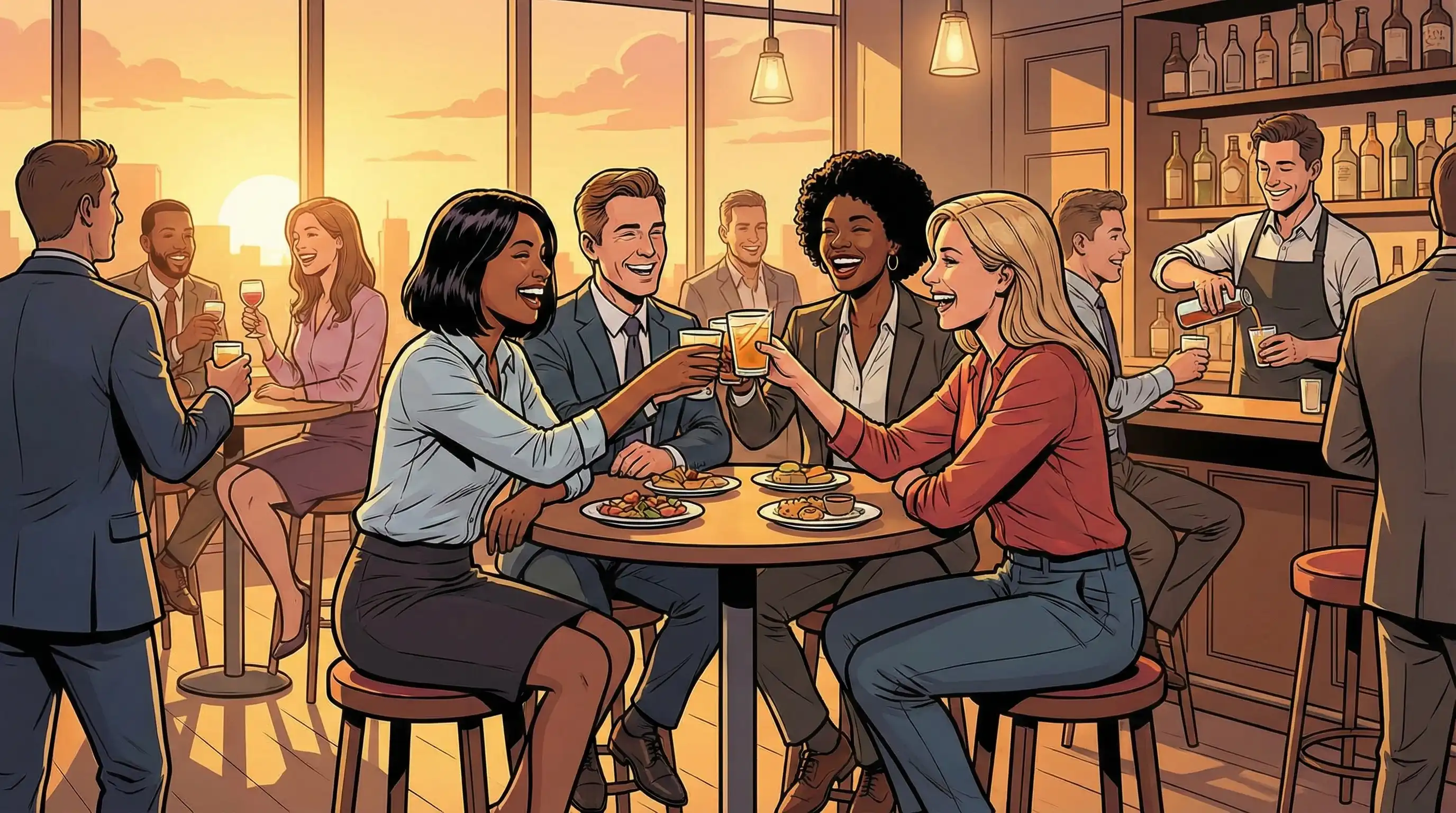
Even happy hours that are well-planned run into problems with how they work. Here are some useful ways to solve the most prevalent challenges.
During prep time, make popular cocktails in advance and set up the bar for speed. Put materials that you use often within easy reach, pre-cut garnishes, and set up drink-making processes that function well. Cross-train servers to help bartenders when there are a lot of people at the bar, and set up tableside ordering methods to cut down on bar traffic.
Instead than giving discounts on everything, focus on promoting things with strong profit margins. Even when prices are down, well drinks, domestic beers, and appetizers produced with cheap ingredients still make money. Teach employees how to promote full-price things that go well with each other. For example, a $5 beer with a $14 meal still makes a lot of money.
Make tiered offers that reward customers for being loyal in ways other than lower costs. During happy hour, members of the loyalty program may get extra benefits including preferential seating, longer hours, and menu items that are only available to them. Make your happy hour deals like doorways that show off how good your food is and make people want to come back at regular prices.
Set up a procedure for reviewing local legislation and best practices in your field every three months. Join hospitality industry groups that keep you up to date on rules and regulations, and keep in touch with the group that gave you your license. Make sure to alter your program right away when rules change. The consequences for not following the rules are much worse than any benefits you would get by promoting it.
Happy hour is a proven way to make money that turns sluggish afternoons into good business possibilities. To be successful, you need to carefully plan everything from the timing to the menu to making sure you follow the law and run your business smoothly.
Immediate next steps:
You might want to look at related issues like dynamic pricing revenue management systems, customer loyalty program development, and seasonal marketing methods that go well with your happy hour program.
To keep doing well, you should constantly check these resources and stay up to date on what's going on in your field. Happy hour keeps changing, from mocktail choices for health-conscious clients to AI-optimized pricing methods. Venues that change with the times stay ahead of their competitors in their industries.
Our sales, marketing and custom support stand ready 24/7 worldwide.