


Restaurant Marketing: 2026 Guide to Growing Your Business
 Mika Takahashi
Last updated Feb 9, 2026
 Mika Takahashi
Restaurant marketing includes the digital and traditional methods that restaurants employ to get customers, keep them coming back, and increase sales. This article gives you a complete set of tools for building a marketing plan that turns casual diners into regular customers and keeps new consumers coming in all the time.
This article is a restaurant marketing plan that covers the basics of digital marketing, how to keep customers, how to optimize for local SEO, and how to run integrated marketing campaigns for restaurants of all sizes. We focus on practical strategies instead of abstract ideas, but we won't go into much detail about how to run a kitchen or handle money beyond marketing budgets. People who run restaurants, manage food and beverage at hotels, or work in marketing in the hospitality business will find useful frameworks that they can use right away.
Restaurant marketing uses digital channels like email and social media, along with customer data management and personalized campaigns, to get new customers, get them to come back, and raise the average check size. The best restaurants use more than one channel instead of just one.
By the end of this tutorial, you will know about restaurant marketing plans and:
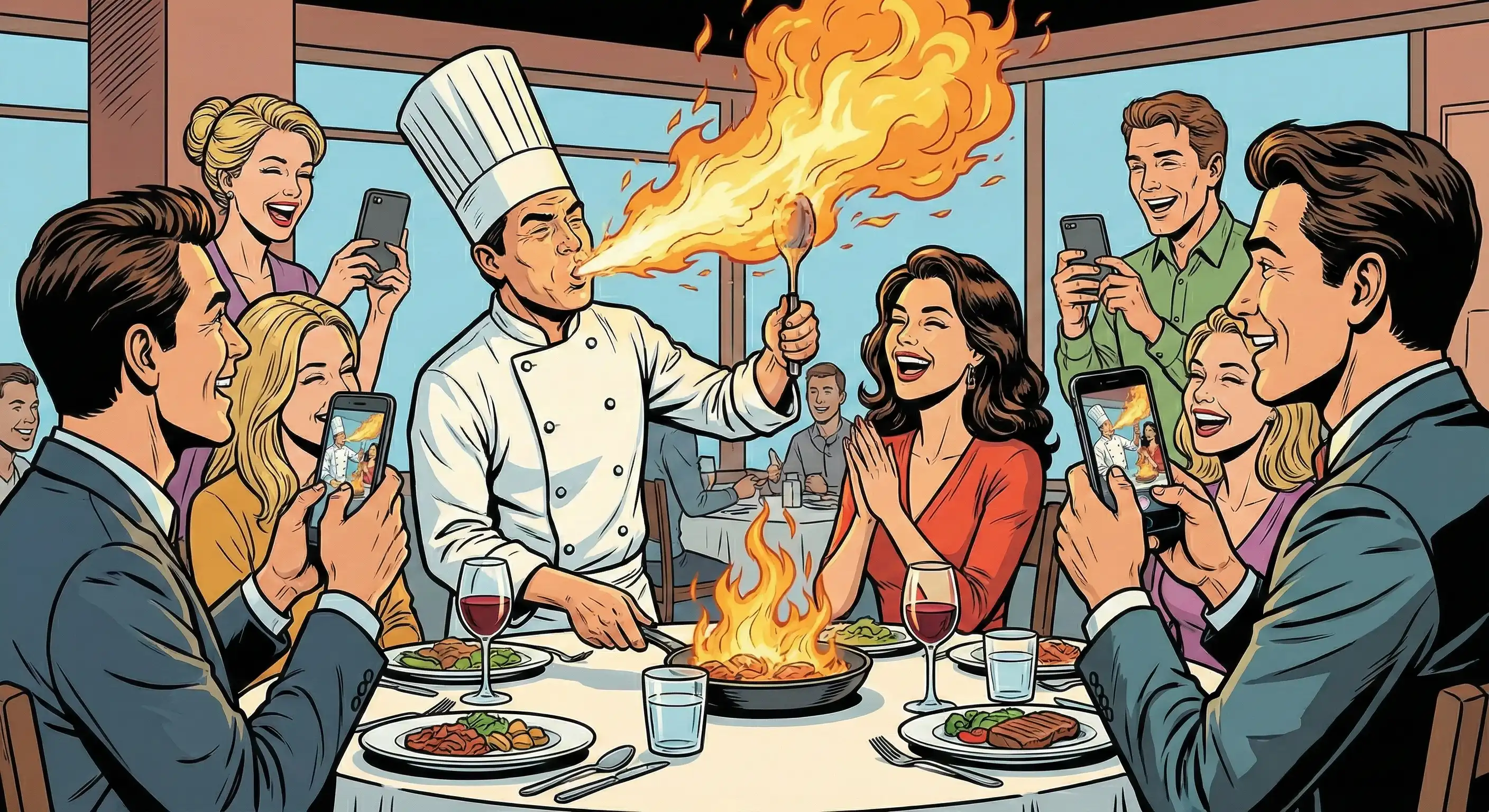
Digital technologies and targeted communication help modern restaurants get and keep customers by using data to make decisions. In the past, you would put an ad in the newspaper and hope the proper people saw it. Now, with today's restaurant marketing strategy, you can target customers based on what they like to eat, see which ads lead to reservations, and even see how much money you make.
Social media sites are the main way that people find out about restaurants. Instagram, TikTok, and Facebook all have their own pros and cons when it comes to selling food visually. Instagram is great for taking professional-looking pictures of food and sharing behind-the-scenes content. TikTok is great for making videos that go viral with trending challenges and real-life content. Facebook is great for developing communities and promoting events.
Email and SMS marketing let you talk to customers directly without having to worry about changes to algorithms or platform limits. Personalized restaurant newsletters have a 40% open rate, while SMS has a 98% open rate. These are both dependable ways to get clients to read your messages and learn about special deals and news.
The best marketing strategies use these channels in a smart way: social media raises awareness, email creates relationships, and SMS gets people to act right away when things are slow. Building an integrated marketing strategy starts with knowing how these channels work together.
Personalized marketing starts with gathering and organizing guest data from several sources, such as bookings, online orders, loyalty program signups, and face-to-face encounters. You may make promos that feel more personal if you know how often a guest eats at your restaurant, what their favorite dishes are, and what important occasions they celebrate.
CRM solutions let you run marketing campaigns that talk directly to different groups of customers. Someone who shops online every Friday gets different messages than someone who comes in once a month for a special event. This tailoring makes customers happier and gets them to come back more often than blanket promotions do.
Now that we have these basic ideas down, we can look at the individual restaurant marketing tactics that use consumer data to their fullest potential.
To successfully apply this, you need to be an expert in three main areas: social media marketing, direct communication campaigns, and local search optimization. These are built on top of the digital channels and CRM foundations. Each part adds a unique value to your marketing plan as a whole.
Instagram visual storytelling turns your food into content that others may share, which naturally increases its reach. Share high-quality photos of food during peak browsing hours (11 a.m. to 1 p.m. and 7 p.m. to 9 p.m.), share Stories that illustrate how you prepare food and the personalities of your staff, and use location tags to get more engagement from local followers.
When it comes to TikTok videos, being real is more important than how well they are made. Audio clips that are popular right now, together with behind-the-scenes content, cooking tips, or food being plated, frequently do better than well-made ads. User-generated content works really well, sharing customer films develops trust, gives you free advertising, and turns guests into brand ambassadors.
Groups and Events on Facebook help people connect with each other. Make a VIP group for your most loyal customers that gives them early access to seasonal delicacies. Use targeted local advertising to promote events, and respond to every comment to show that you care about your customers' experiences.
With email automation, you can send the perfect message at the right time without having to do anything by yourself. Birthday emails that offer a free dinner get more than 30% of people to redeem them. Loyalty reward notifications get people to come back and get their rewards. Seasonal deals with fresh menu items keep your establishment in the minds of customers.
SMS marketing gets people to act right away on time-sensitive deals and reservation confirmations. Flash sales on dull Tuesday afternoons or last-minute announcements of available tables make the most of the channel's 98% open rate. To keep people from opting out, limit SMS to 2–4 messages per month.
Segmentation tactics that take into account how often people eat out and what they like to eat make the most sense. VIP visitors who get exceptional treatment feel appreciated, occasional eaters have good reasons to come back more often, and customers who haven't been to your restaurant in a while get win-back offers that remind them why they loved it.
How well you optimize your Google Business Profile has a direct effect on whether hungry customers can find you in Google search results. Add new images every week, maintain your hours up to date, reply to online reviews within 24 hours, and add menu items with prices and descriptions. Optimized profiles can make a restaurant's local map results up to 70% more visible.
You need to pay attention to review management on Yelp, TripAdvisor, and Google all the time because 85% of diners check these sites before going out to eat. Respond to both good and bad reviews in a professional way, thank the reviewer by name, and give solutions instead of excuses for specific problems.
Website optimization makes it easy for those who might want to buy something or make a reservation online for your restaurant business. It's really important to design for mobile first because about half of all visits to restaurant websites come from mobile devices. Pages that take more than three seconds to load lose a lot of traffic. Clear calls to action for making reservations and ordering online turn people who are just looking into visitors.
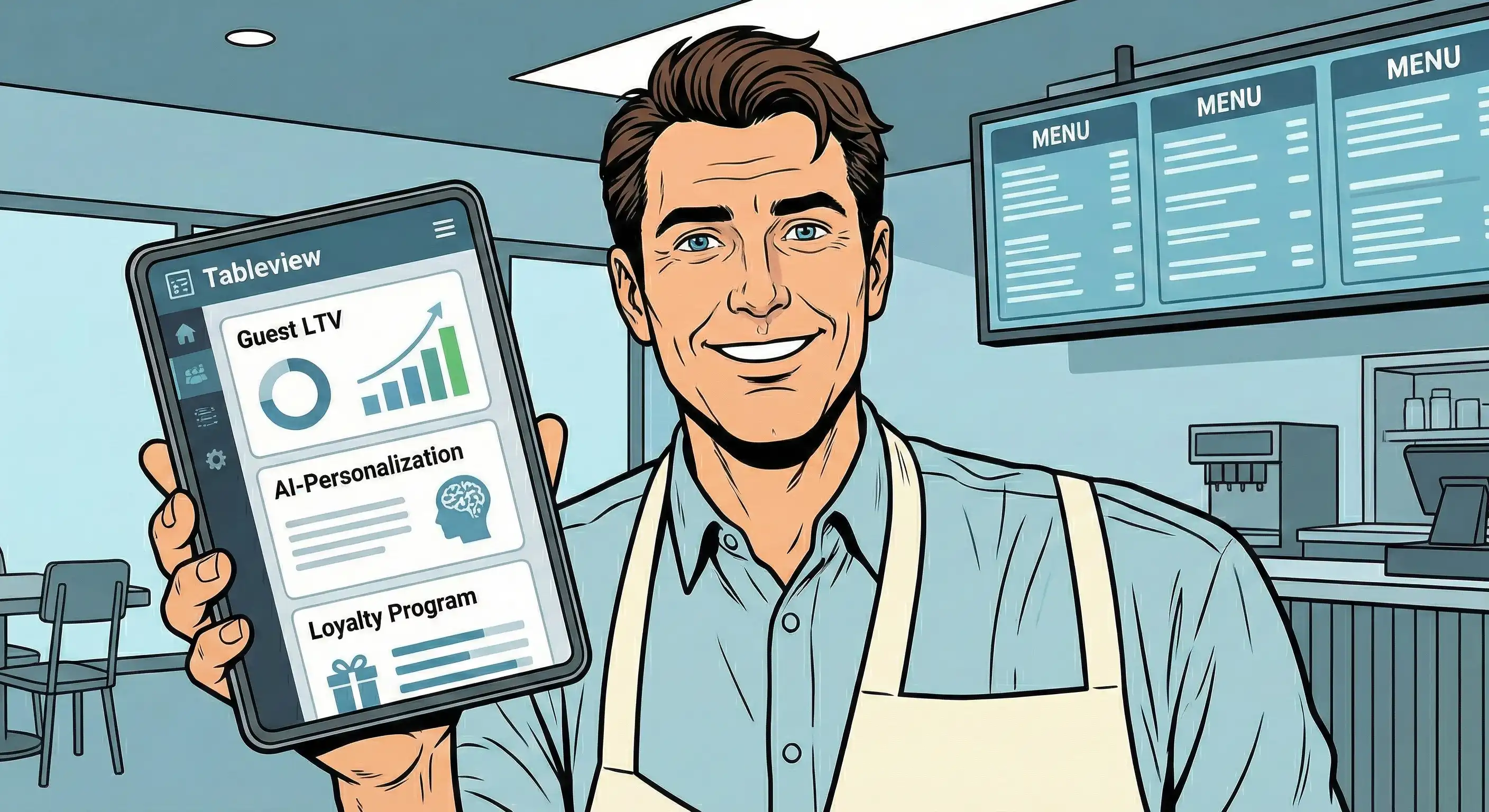
To grow your marketing success, you need to segment your customers, automate your marketing, and measure your effectiveness in a systematic way.
When your customer base gets too big for manual personalization to handle, you need to use advanced segmentation. Restaurants that have 1,000 or more email subscribers or process 500 or more transactions a month usually benefit from automatic segmentation based on how people eat and how much they spend.
To develop customer personas, you need to look at transaction data to find groups of people who act in similar ways.
When you tailor offers to past orders, vegetarians get plant-based specials, wine lovers hear about new bottle additions, and families with kids learn about activities that are good for kids. This greatly increases conversion rates compared to generic promotions.
| Platform Feature | Entry-Level Tools | Mid-Market Solutions | Enterprise Systems |
|---|---|---|---|
| Email Automation | Basic sequences | Advanced segmentation | AI-driven personalization |
| SMS Integration | Limited | Full integration | Multi-channel orchestration |
| POS Connection | Manual sync | API integration | Real-time data flow |
| Monthly Cost | $50-150 | $200-500 | $500+ |
| Best For | Single location | 2-5 locations | Multi-unit operations |
The efficacy of automation depends on how well it works with POS systems and reservation platforms. Real-time data flow means that a guest who finishes a transaction right away goes into the right marketing sequences without having to export and import data by hand.
To calculate ROI, you need to link marketing initiatives to real sales. Keep track of how many people use promotional offers, how much it costs to obtain new guests (ideally between $10 and $20), and how much each customer is worth over their lifetime by segment. These numbers help decide how to spend money and which marketing channels give the highest return.
Pick platforms depending on how big they are now and how fast they are developing. Paying too much for enterprise features wastes money, while outgrowing entry-level tools makes things harder to run at important growth stages.
No matter what the idea, price point, or location, these problems seem to happen all the time in the industry. Addressing them in a planned way stops reactive marketing and helps growth that lasts.
Set up a loyalty program with different levels of prizes that get better as guests move up. Points-per-dollar systems make people want to spend more money, while status categories (Silver, Gold, Platinum) give people goals to work for. Exclusive advantages for top levels, such priority reservations, chef interactions, and free seasonal dishes, keep guests coming back, which is hard for competitors to break.
Use automated advertising to win back clients who haven't bought anything in 60 to 90 days. Personalized messages that mention their former favorites, like "We miss seeing you for your Thursday wine dinners," along with significant offers, get 15–20% of people to reactivate. These efforts go after people who already know and like you, which is a lot better than trying to gain new clients.
Make your Google Business Profile better by updating it every week with new images, menu revisions, and comments to all reviews. Add surrounding attractions to draw in travelers who are looking for somewhere to eat. You can post updates on events, seasonal offers, and behind-the-scenes content right to your profile.
Use location tags and local hashtags to make sure your material is the same on all of your social media accounts. For real endorsements, work with local influencers. Micro-influencers with 10,000 to 50,000 followers sometimes get more interaction than celebrities. To reach more people in your town, work with other local businesses to promote each other.
Use distinct promo codes for each campaign to set up tracking systems that link marketing efforts to sales. You can tell which channel brought in each redemption by looking at the code "VIPEMAIL" for email subscribers and "INSTA25" for social media followers. Website links using UTM parameters show which email campaigns and social media posts bring in visitors.
Find out the cost per acquisition, the average order value by marketing source, and the repeat buy rate per channel. This information shows which marketing method works best for your restaurant: paid ads, email marketing, or organic social media posts. Stop guessing and start making improvements depending on how well things are going.
To be successful at marketing a restaurant, you need to use digital techniques that connect social media, email marketing, and local SEO with organized customer data management. Restaurants that consistently grow use a mix of channels instead of just one, carefully track their results, and make changes based on performance data.
Immediate next steps:
Sequential actions for the next 30-60 days:
To grow beyond these basics, look into working with local culinary content makers as influencers, running sponsored advertisements on Facebook and Instagram that target specific groups of people, and using advanced marketing automation to link your POS, reservation system, and CRM so you can personalize your marketing in real time.
Restaurant marketing automation platforms:
Social media content calendar essentials:
Email marketing templates for restaurants:
Local SEO optimization checklist:
Our sales, marketing and custom support stand ready 24/7 worldwide.