


What Are EPOS Systems? 2026 Guide for Hospitality Businesses
 Mika Takahashi
Last updated Feb 17, 2026
 Mika Takahashi
An EPOS system (Electronic Point of Sale) is a complete digital solution that includes both hardware and software to handle transactions, keep track of inventory, and make operations easier for firms in the hospitality industry. Instead of cash registers, these systems use integrated technology platforms that can handle anything from processing payments to giving real-time performance information.
This article talks about the main parts of EPOS systems, how they may help hotels, restaurants, and other hospitality businesses run more smoothly, what to think about when setting them up, and how they can work with other business tools. It's for owners, managers, and decision-makers in the hospitality industry who are looking at new point-of-sale systems for their businesses, whether they run a single restaurant, a small hotel, or a chain of hotels.
EPOS systems are electronic platforms that work together to let hospitality organizations take payments, keep track of sales, manage inventory, and make detailed sales reports. They do all of this through one system that combines front-of-house operations with back-office management.
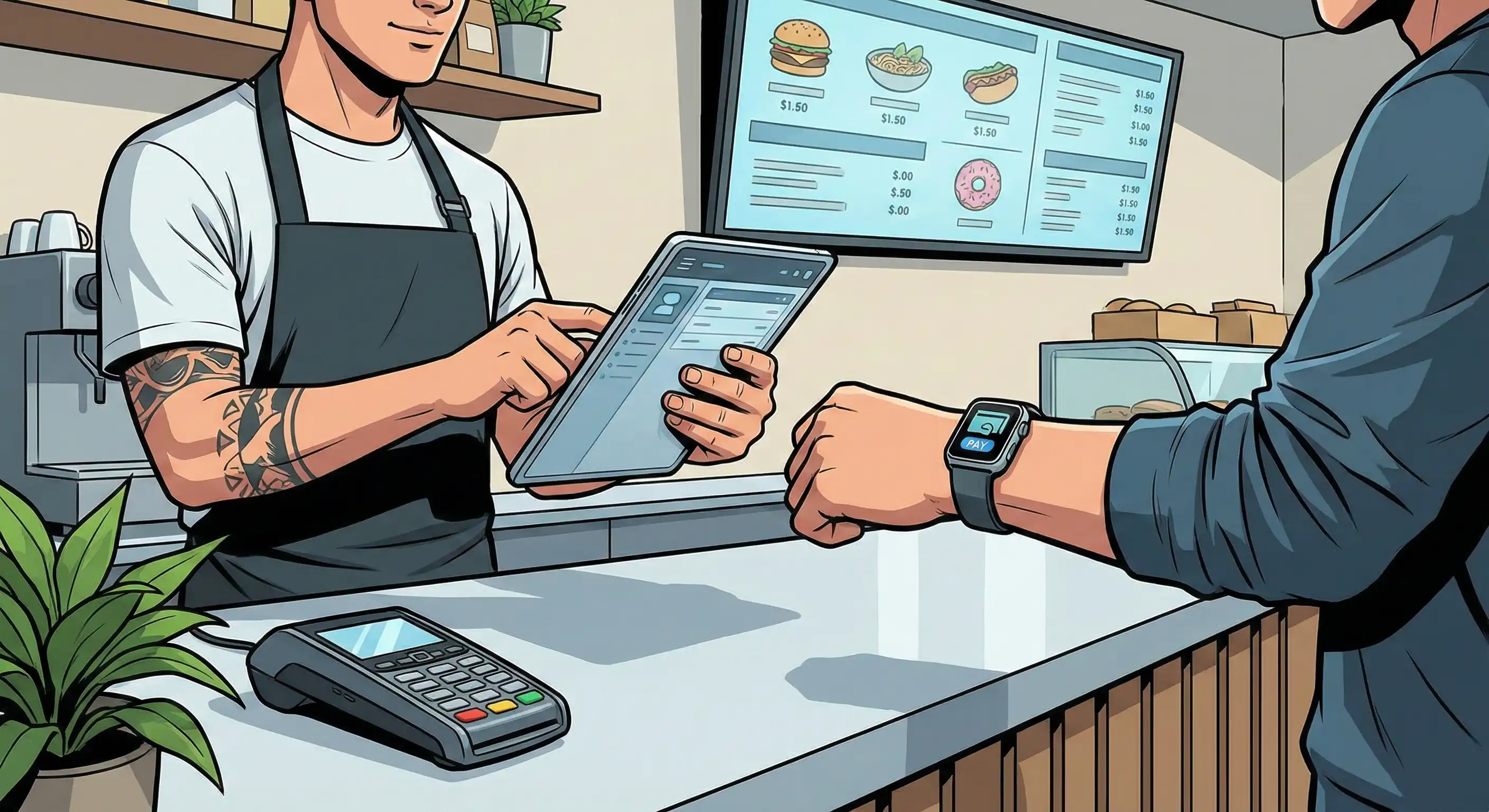
EPOS stands for Electronic Point of Sale. It is a system that combines physical devices with cloud-based point of sale software to make it easy to conduct transactions and run a business. Modern EPOS systems are essentially the primary nervous system of hospitality businesses. They link sales transactions to inventory management, customer data, and financial reporting, unlike standalone cash registers.
This connection is very important for hospitality organizations that serve consumers in dining rooms, hotel lobbies, poolside bars, and event areas. The correct EPOS system turns dispersed operational data into useful information that helps you make better choices.
EPOS hardware includes the physical touchpoints where customers and staff use your point of sale system. Touchscreen terminals for entering orders, tablet interfaces for mobile flexibility, card payment devices that work with both contactless and mobile payments, a receipt printer for keeping track of transactions, a cash drawer for handling cash, and a barcode scanner for retail areas or managing inventory are all important parts.
In hotels and restaurants, the way hardware is set up has a direct effect on how guests feel. Mobile card readers let restaurants accept payments right at the table, so visitors don't have to wait for workers to come back with their card. Self-service kiosks make checking in at hotels easier during busy times. Portable gadgets make it possible to check out digitally at outdoor dining areas, rooftop bars, catered events, or anywhere else you serve consumers.
The software part of an EPOS system turns raw sales data into useful business information. Some of the main features are processing transactions, keeping track of inventory in real time, making detailed sales reports, managing customers based on their buy history and preferences, and working well with third-party applications like property management systems and accounting software.
Most EPOS systems now come with cloud-based point-of-sale software. This lets managers in the hotel industry keep an eye on sales, track employee efficiency, and read reports from any mobile device. This connectivity makes it possible for restaurant chains or hotel companies to manage several sites at once, making sure that operations are the same at all locations.
The software part is directly linked to improvements in operations. For example, menu engineering insights show which dishes promote sales and which don't, tracking staff performance shows where they need more training, and automated inventory alerts make sure that popular goods don't run out. Knowing how these hardware and software parts operate together helps explain why EPOS systems are now a must-have for hospitality businesses that want to stay ahead of the competition.
Once the component architecture is in place, looking at how things work in the real world shows how hotels, restaurants, and other hospitality venues can profit from electronic point of sale technology. The value comes not from the individual characteristics, but from how they all work together to make activities that are efficient and based on data.
When a server inputs an order on a touchscreen interface, the EPOS system quickly figures up the whole cost, including taxes, service fees, and any discounts or loyalty programs that apply. For restaurants, this means that the kitchen display needs to be updated. For hotels, charges for amenities go straight to the guest's room folio.
At the same time, the system keeps track of inventory levels by subtracting ingredients from stock counts, marking items that are getting close to their reorder thresholds, and making sure that all ordering channels, including online orders, have the right amount of stock. This automatic process sales method does away with the need for human reconciliation, which might take hours with regular cash registers.
Guests at modern hotels expect to be able to pay in several ways. A full EPOS system can handle cash by using built-in cash drawers, process credit and debit cards the old-fashioned way, accept contactless payments with tap-to-pay terminals, and process mobile wallet payments through Apple Pay and Google Pay.
This flexibility in payment processing is quite important for hospitality firms that serve passengers from other countries. Many EPOS systems can also handle split bills, deposits for reservations, and integration with hotel charging systems, which are common ways to pay that standard point of sale setups couldn't handle.
Real-time data synchronization may be the biggest benefit above regular cash registers. Sales from a hotel restaurant, lobby bar, and poolside café all come together right away in one sales report. All stores update their stock levels at the same time, which stops people from booking the same item again.
This consolidated way of handling sales and inventory for hospitality firms with various locations gets rid of information silos. Managers may look at how well each property is doing, spot trends that are influencing the client experience, and make smart decisions based on current data instead of reports that are a week old.
Moving from old systems to new EPOS technology takes careful planning. Hospitality decision-makers may figure out the best time to use EPOS and how much money they will make by comparing its features to those of traditional methods.
When existing systems can't handle growth, when payment processing problems annoy visitors, or when manual processes take up too much staff time, hospitality organizations usually look into upgrading their modern EPOS systems. The implementation goes in a logical order:
Most pos system suppliers will help you set up your system, but hospitality organizations should check that the vendor has worked with similar situations before. A provider who has worked with retail stores may not know how to handle the difficulties of integrating hotels and restaurants.
The following comparison shows distinctions that are important for hospitality operations to think about when deciding whether to upgrade:
| Feature | Traditional Cash Register | EPOS System |
|---|---|---|
| Payment Methods | Cash and basic card processing | All payment types including contactless payments, Apple Pay, Google Pay |
| Inventory Tracking | Manual stock counts requiring staff time | Real-time automatic updates to manage inventory across outlets |
| Reporting Capabilities | Basic sales totals printed daily | Detailed performance analytics, peak hour analysis, customer data insights |
| Integration Options | Standalone operation requiring manual data entry | Seamless integration with PMS, accounting software, online sales channels |
| Employee Management | Basic till access | Staff performance tracking, employee productivity metrics, role-based permissions |
| Multi-Location Support | Separate systems per venue | Unified multi-site management through one system |
When figuring out ROI, hotel managers should think about both direct savings, like lower transaction fees from better payment processing and less shrinkage from better inventory management, and indirect benefits, like happier customers who come back again and again.

Even though there are apparent benefits, hospitality organizations face some problems when they switch to electronic point of sale equipment. Taking care of these problems ahead of time makes transitions easier and operational gains happen faster.
Staff that are used to their current processes may not want to embrace new technologies, especially in hospitality settings where service to customers can't stop for long training sessions. Phased training programs that start with the most important tasks, showing how the EPOS system makes daily tasks easier, and finding team members who are comfortable with technology and can help their coworkers during the transition are all good ways to solve the problem. Focusing on how the system makes things easier for front-line workers like faster table turns, better payment processing, and less human calculations usually speeds up adoption.
Hotels and other big hospitality businesses often use established property management systems, accounting software, and channel managers. Choosing an EPOS software vendor that has already built integrations for the hospitality industry will save you money on bespoke development. Ask vendors for particular references, check the API's capabilities, and plan a phased implementation that keeps operations running smoothly while linking systems. The idea is to prevent entering the same data twice while getting reports from both your shop floor and back office that are the same.
Costs for an EPOS system include buying hardware, paying for cloud-based software on a monthly basis, and maybe paying transaction fees for integrated payment processing. Some EPOS companies impose setup costs or have hidden expenses that show up after you sign up. Before choosing a system, figure out how much money you could save by automating tasks, better managing inventories to cut down on waste, and giving customers a better experience that makes them want to come back. Most hospitality organizations have a good return on investment (ROI) within 12 to 18 months with an EPOS system since it increases sales and makes operations more efficient.
EPOS systems give hospitality firms all the technology they need in one place, which makes things run more smoothly, makes guests happier, and lets them make decisions based on data. These electronic point of sale systems combine payment processing, inventory management, sales reporting, and customer management into one system. This makes operations more connected and smarter than traditional cash registers.
To continue on with the examination of EPOS software:
If you're a hotel firm that is already thinking about upgrading your technology, EPOS solutions work well as a POS system with other operational platforms. Your point of sale system can share data with property management systems, hotel channel managers, and integrated guest messaging platforms. This makes for complete hospitality technology ecosystems that support both in-store excellence and omnichannel guest engagement, including the ability to sell online through connected ordering platforms.
Our sales, marketing and custom support stand ready 24/7 worldwide.