


What Is a Bistro Restaurant: Complete Guide to Bistro Dining
 Mika Takahashi
Last updated Feb 20, 2026
 Mika Takahashi
What is a bistro restaurant? A bistro is a small, casual restaurant that serves basic, reasonably priced meals in a cozy setting with a friendly, unpretentious vibe. The word "bistro" comes from France in the 1800s, when these simple restaurants were popular in neighborhoods. They served classic French food to regular people who wanted hearty, tasty meals without the formality of fancy restaurants.
This article tells you all you need to know about bistro restaurants, from where they came from and what makes them unique to how they are different from other types of restaurants including cafes, brasseries, and fine dining. This complete resource answers all of your questions, whether you own a restaurant and are thinking about the bistro idea, work in hospitality and are looking into other service models, or are just interested about what makes a bistro experience special.
A bistro is a small restaurant that serves comfort food and high-quality food instead of fancy presentations. The menu is usually limited to home-cooked meals with a local twist, and the prices are reasonable. The atmosphere is pleasant and relaxing, which makes guests want to stay longer.

A bistro is a type of restaurant that falls somewhere between a casual café and a fancy French restaurant. These small businesses value good food, camaraderie, and low prices over luxury or showing off. Bistros usually have fewer tables than regular restaurants, which makes them a good place for people in the area to get together for a meal without worrying about making a reservation or following a dress code.
The bistro is appealing because it can give you a meal-centered experience that seems personal. Bistros are different from fast food places that emphasize on speed or fine dining places that focus on formality. Instead, they try to make simple, pleasant meals in environments that feel like home.
Historians still don't agree on where the phrase came from, but it came from Paris in the early 1800s. One common idea links it to Russian soldiers who took over Paris during the Napoleonic Wars and yelled "bistra" (which means "quickly") when they wanted swift service at Parisian restaurants. A lot of linguists, on the other hand, think that bistro comes from French words like "bistrot," "bistingo," or "bistrouille," which are all regional designations for modest drinking places.
Bistros started off as little basement or street-level places in France after the Revolution, no matter where the word came from. These places supplied working-class Parisians who sought cheap, filling meals outside of their homes. Over time, bistros changed from basic inns to treasured neighborhood institutions. They moved outside France and became a global name for small, casual eateries that provide classic French food with friendly service.
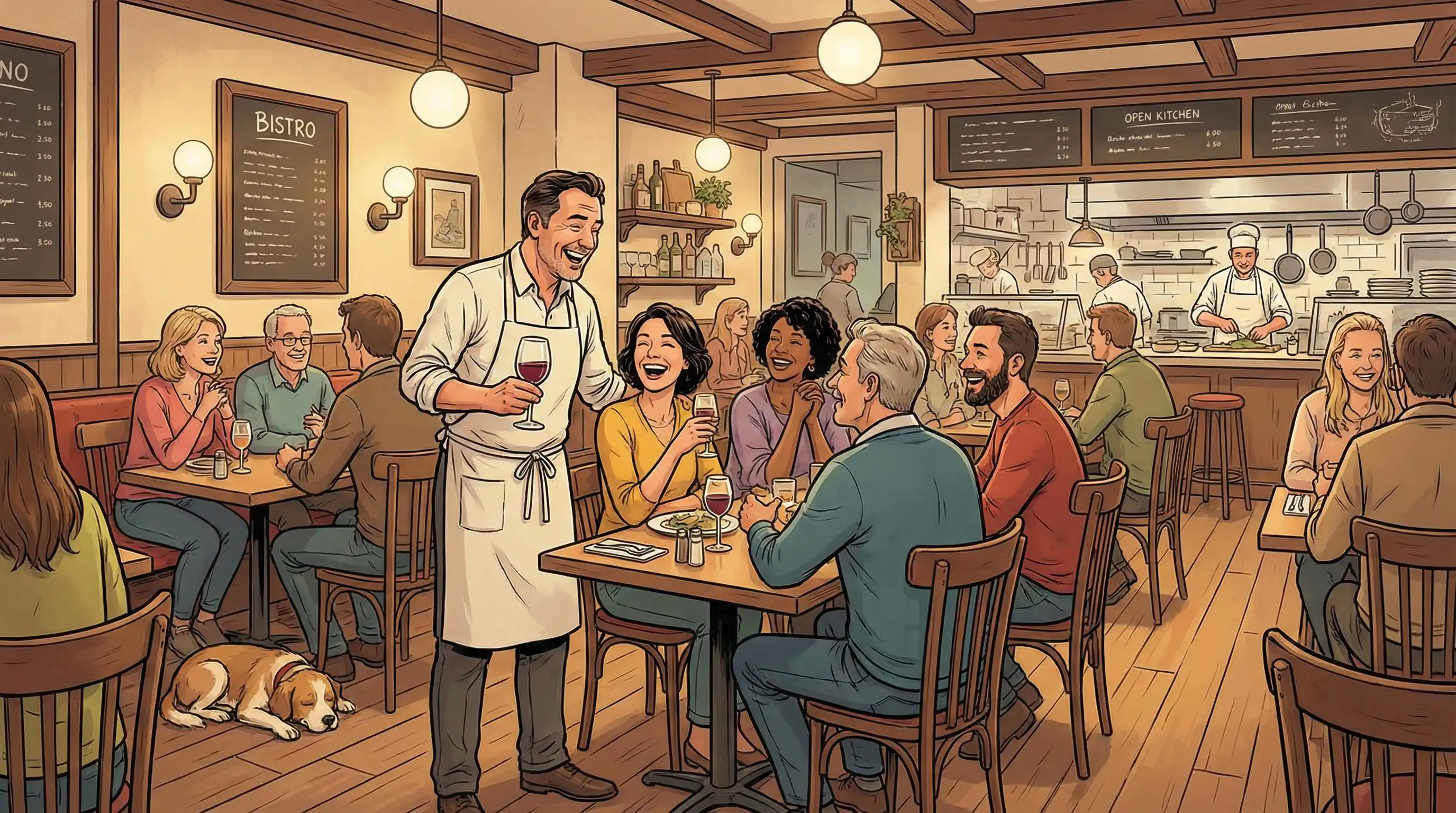
The modest dining room is probably the most important physical part of any cafe. These places usually have fewer tables than regular restaurants, and they can seat 20 to 40 people. The small number of seats makes bistro dining different from dining in bigger places.
Bistros usually serve meals that are reasonably priced and use good ingredients that are easy to get. The menu is still limited on purpose, with an emphasis on refining a few dishes instead of giving a wide range of options. Steak frites, roasted chicken, and cassoulet are some of the classic French dishes that are always on the menu. There are also seasonal specials that change every week.
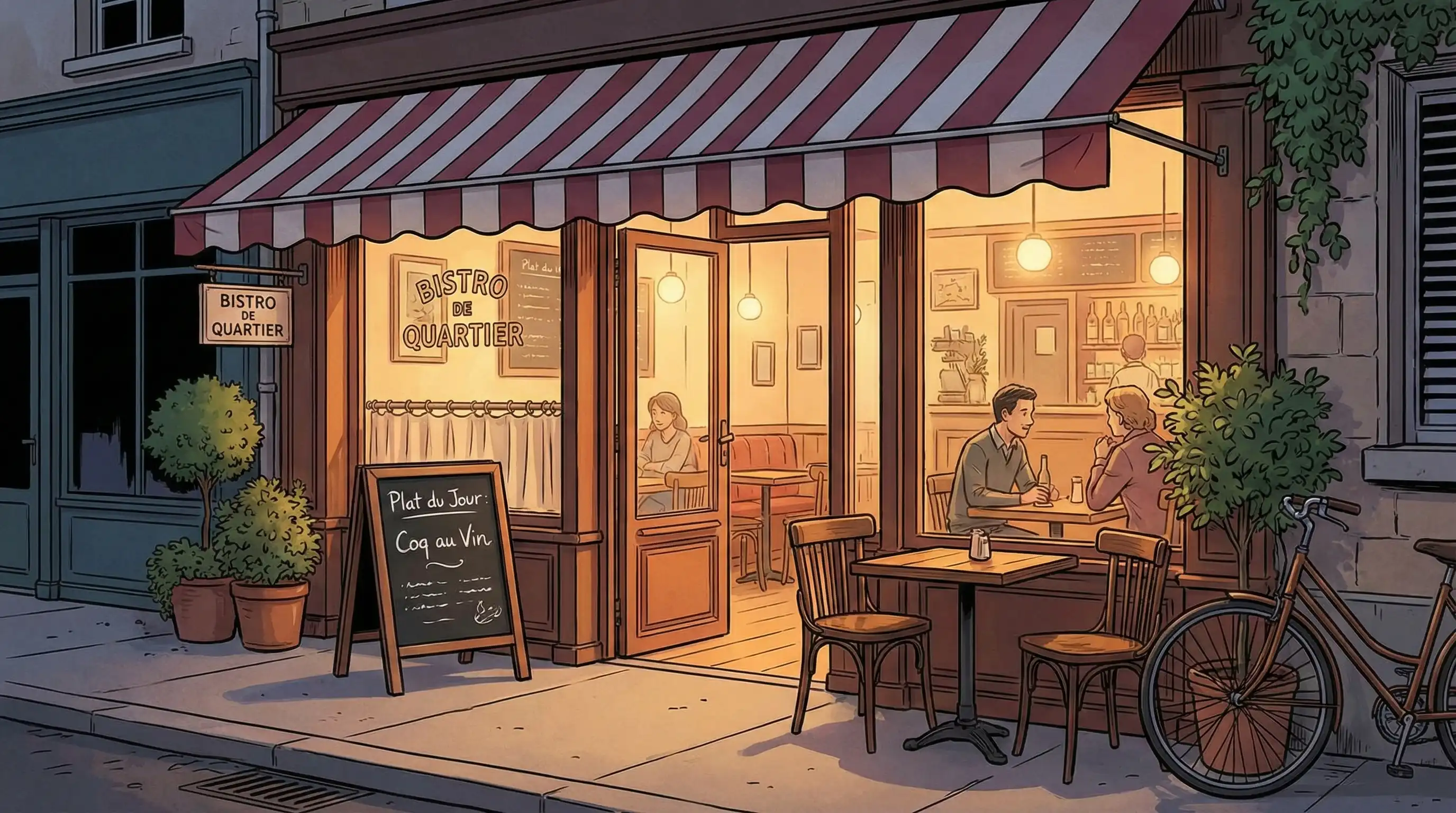
People still think of the atmosphere as informal but attentive. Exposed brick, old furniture, and soft candlelight are all rustic touches that add warmth without becoming too formal. Many bistros include outdoor seating, so diners can eat while watching people on the street. This is a tradition that comes from Parisian cafés. Service is a mix of attentive and casual. It's more personal than professional table service at fancy restaurants, but it's more involved than counter service at a coffee shop.
Many versions of the classic French bistro can be found all over the world. The basic ideas stay the same: a simple setting, simple meals, and an emphasis on the community. However, modern versions show how people in the area like to eat and how dining trends have changed.
Authentic French bistros are still very much connected to their Parisian roots. These places feature traditional delicacies including steak frites, coq au vin, cassoulet, and bouillabaisse made using age-old methods. Wine lists usually include bottles from less well-known French regions, giving customers the chance to try new wines at reasonable costs.
Chalkboard menus with daily specials, zinc bar counters, bentwood chairs, and simple white tablecloths are all traditional bistro decor that add to the authentic experience. The environment makes you feel like you're in France in the early 20th century, and the traditional French food is always great.
The modern bistro has changed to include a wide range of cooking styles while still following bistro rules. These restaurants combine French cooking methods with local ingredients and flavors from around the world to make meals that commemorate the past while welcoming new ideas.
A modern bistro might feature dishes that are influenced by the area and use local ingredients, or it might mix Asian flavors with traditional bistro presentations. No matter what kind of food the bistro serves, the most important thing is to keep its promise of affordable prices, a relaxed ambiance, and high-quality ingredients.
The main purpose of both traditional bistros and those that mix different styles is to make places where people feel welcome and have great meals.
Neighborhood bistros are perhaps the most like the original bistro idea. They are locations for frequent customers to meet up with each other. These places make friends with guests who come back every week or even every day, which is what made early Parisian bistros so special.
Seasonal meals feature food from local farms, which helps the local economy and guarantees freshness. Staff members know the names of regular clients, remember their preferences, and make sure that each visit feels personal instead of like a business transaction. These bistros serve as informal community centers for many neighborhoods, where people may get together to eat and drink.
Understanding how bistros differ from other restaurant categories helps both operators and diners make informed decisions. There are several things that go into classifying a restaurant, such as how formal it is, how much it costs, how wide its menu is, and how it serves food.
When deciding where to eat or what kind of restaurant to operate, it's important to know the difference between bistros and other types of restaurants. Even if categories overlap, each format meets various client demands and runs on separate business models.
A bistro and a café are two things that people often get mixed together. Cafes usually serve coffee, snacks, and light meals instead than big dinners. They usually have furniture that looks like a lounge and is set up for people to hang out over coffee instead than eating a traditional meal. A café might provide desserts and sandwiches, but its main focus isn't on serving whole meals like a bistro does.
There are bigger disparities between bistros and fine dining. A traditional French restaurant needs beautiful decor, long printed menus, high prices, and competent table service with several courses. Fine dining is all about elegance and ceremony, whereas bistros focus on comfort and ease of access. OK dining restaurants may need reservations weeks in advance and formal dress, but most bistros are OK with people walking in wearing casual clothes.
| Criterion | Bistro | Café | Brasserie | Fine Dining | Gastro Pub |
|---|---|---|---|---|---|
| Formality Level | Casual, relaxed | Very casual | Semi-casual | Formal | Casual |
| Price Range | Moderate | Low | Moderate-high | High | Moderate |
| Menu Focus | Limited menu, comfort food | Drinks, snacks | Extensive, beer-focused | Multi-course gourmet | Elevated pub fare |
| Service Style | Friendly, personal | Counter/minimal | Efficient, professional | Professional table service | Casual table service |
| Atmosphere | Intimate setting, cozy | Lounge-like | Lively, social | Elegant, refined | Public house meets restaurant |
| Typical Duration | 60-90 minutes | 30-60 minutes | 60-120 minutes | 2-3 hours | 60-90 minutes |
| Alcoholic Beverages | Wine-focused, limited | Coffee-focused | Full bar, beer emphasis | Extensive wine list | Beer and cocktails |
A gastro pub or public house that serves good food is in the same price range as bistros, but the atmosphere and drink focus are different. The formal version of a French restaurant—whether it's called a brasserie, bistro, or anything else—doesn't really change how they treat guests; it just changes how big and formal it is.
Knowing these differences helps you understand the bistro's unique place in the market: it's an inexpensive restaurant compared to fine dining, yet it offers a more comprehensive dining experience than a coffee shop or fast food restaurant, all in a welcoming setting that blends quality with accessibility.
Running your own bistro comes with its own set of problems because of the way the format works. To keep the bistro's appeal and make money, management needs to be careful with small premises, focused menus, and casual service.
The small dining space that makes the café feel cozy also restricts how much money it can make. It is important to manage table turnover without making customers feel rushed. This is a tricky balance that keeps the environment comfortable while keeping the business going.
Reservation systems that work well help keep things running smoothly during busy times, yet allowing walk-ins keeps bistros casual and easy to get into. During busy times, think about using time-based reservation slots, and during quieter times, keep tables open for people who just want to drop by. When waiters are trained to understand guest cues, they can tell when diners want the check and when they want to stay longer.
The bistro idea's small menu needs careful planning to make sure that each dish adds to the overall profit. Bistros have to get the most value out of a small range of items, unlike restaurants that serve big meals with lots of choices.
Rotating the menu by season helps keep costs down by keeping ingredients fresh for regular consumers. Check the cost of each food item to make sure the menu has a good mix of popular dishes and ones that make money. Bistro dining is known for its tasty dishes that don't use pricey meats but instead focus on skill and high-quality ingredients. This means that traditional dishes like roasted chicken or vegetable stews may be made with good margins.
Bistro service is different from other types of service because it is more personal than formal restaurant service yet more professional than café-style encounters. To get personnel to give great service inside this framework, you need to focus on certain things.
Cross-training team members for more than one job is the best way to get the most out of small businesses because everyone needs to be able to adapt. During busy times, servers might help speed things along, and kitchen staff might talk to guests through open kitchen layouts. Teach workers to recognize regular clients and remember their preferences while still being efficient. Focus on creating relationships with guests.
Modern POS systems, online reservations, and digital payment options make businesses run more smoothly, but they could hurt the friendly atmosphere that bistros work hard to create. The hard part is finding technology that makes the restaurant experience better instead than worse.
Pick systems with interfaces that are easy to use and don't take over the dining room. Handheld devices let servers take payments at the table without visitors having to go to the counter. Online reservation solutions cut down on phone calls and give you options to manage your capacity. The idea is to use technology to make service run smoothly while keeping the personal ties that make bistro hospitality special.
A bistro restaurant is a unique type of dining experience that focuses on quality, accessibility, and intimacy. It is a sit-down restaurant that serves either classic French food or dishes inspired by the area in a friendly setting at reasonable costs. Bistros serve food that satisfies both hunger and soul in environments meant for connection. This is different from fast food, which is all about speed, or fine dining, which is all about formal ceremony.
The idea of a bistro has changed a lot since it started in Paris in the 1800s. Today, there are bistros all over the world that nevertheless follow the same basic rules: modest premises, simple food, and friendly service. Successful bistros make meals that are memorable without becoming snobby, whether they serve traditional French food or fusion dishes.
For prospective bistro owners:
For current operators:
Some related subjects that are worth looking into include the basics of designing a restaurant business, how to create a menu for a traditional french cuisine restaurant, and technology solutions for independent restaurants in the hospitality industry.
Bistro Management Tools:
Classic French Cookbook Recommendations:
Industry Resources:
Our sales, marketing and custom support stand ready 24/7 worldwide.