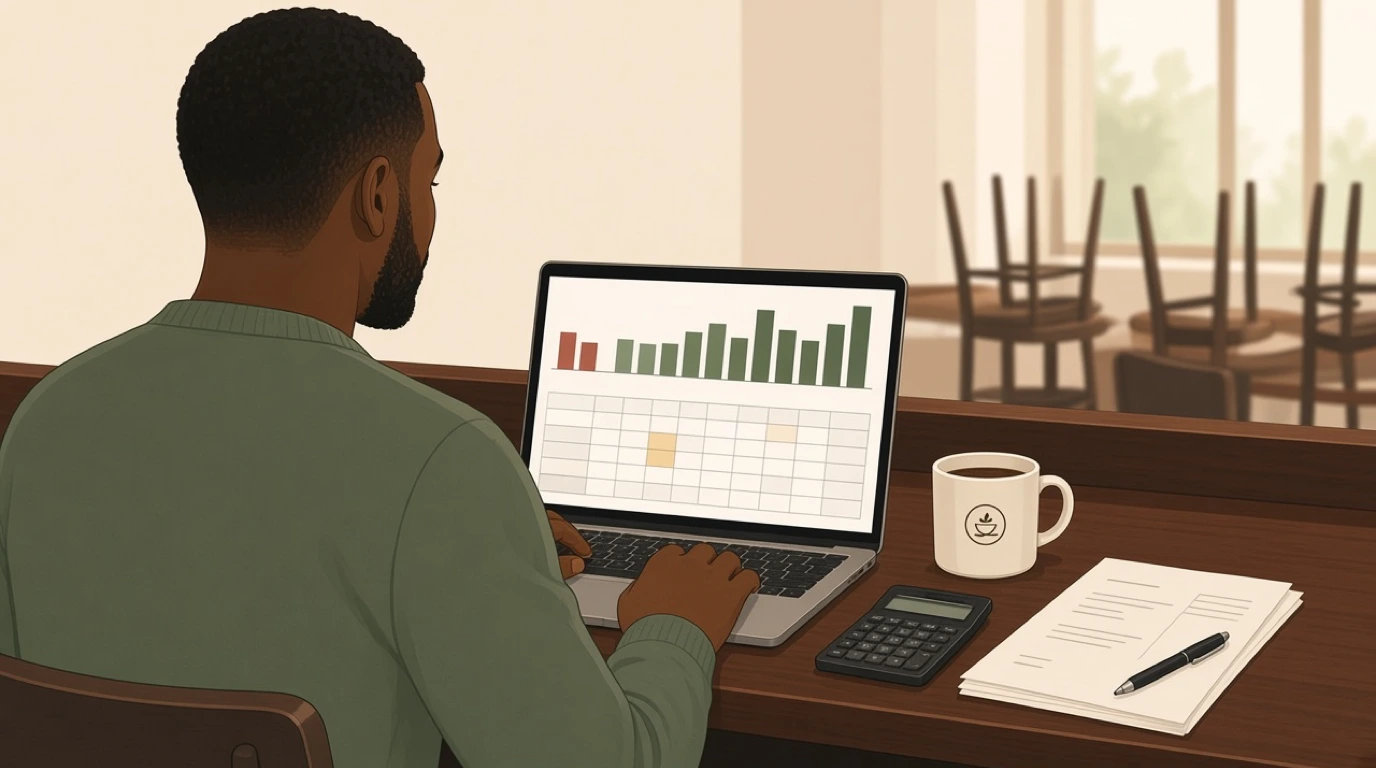
Bakeries look like the gentlest business in food. Warm light, good smells, a queue of people genuinely pleased to see you at seven in the morning. Underneath that, a bakery is a small factory with a retail counter bolted onto the front, and the factory half decides whether you make money. Production starts while the city sleeps, your main ingredients are commodities whose prices move without asking you, and everything you make begins losing value the moment it leaves the oven. That combination is why bakeries with queues out the door still close. It is also why the boring decisions, the oven you buy, the schedule you bake to, the till you ring sales through, matter more than the sourdough. A counter-service bakery POS that tracks what actually sells by hour is not a luxury purchase here, it is how you learn what to bake tomorrow.
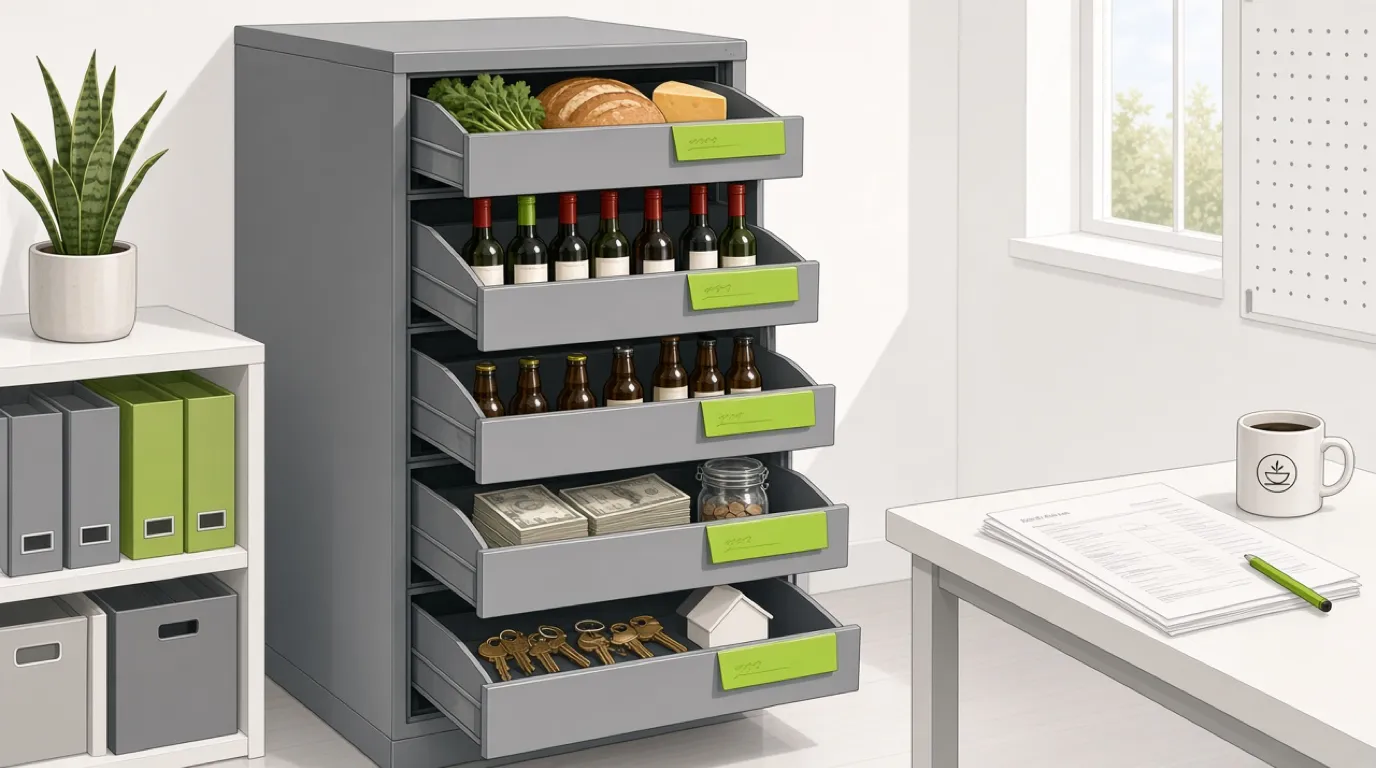
What follows covers the whole path: choosing which bakery you are actually opening, what each format costs, the equipment decisions you cannot undo cheaply, production scheduling, pricing against flour and butter, the waste problem that defines the category, wholesale, staffing at four in the morning, and the first-year numbers. Ingredient discipline carries more weight than in most kitchens, because you buy in bulk, convert to product with a shelf life measured in hours, and eat the difference, which is why inventory control belongs in your opening plan rather than in year two.
Decide which bakery you are opening
Five formats hide under the word bakery, and they are different businesses with different economics. Pick before you sign anything.
The retail bakery. A counter, a case, and production in the back. You capture full retail margin, you carry the full cost of a storefront, and you live or die on foot traffic and morning habit. Gross margins on baked goods run high, often 65 to 75 percent, but labor and waste claw much of it back.
The bakery-café. Retail plus seating, coffee, and usually sandwiches. Coffee is the reason this format exists: it carries margins around 80 percent and turns a 4 dollar pastry sale into an 11 dollar ticket. It also drags you into a second operation with baristas, table service expectations, and longer hours.
The wholesale bakery. You bake for restaurants, cafés, hotels, and grocers. No storefront, no retail rent, predictable volume ordered a day ahead, which is a gift for production planning. The catch is margin: wholesale pricing typically runs 40 to 50 percent of retail, so you need volume and tight labor to make it work, plus delivery logistics before six most mornings.
The cottage or home bakery. Legal in many places under cottage food laws, with limits on what you can sell and where. Startup runs in the low thousands. It is the honest way to test a concept, build a following at farmers markets, and prove demand before signing a lease.
The hybrid. Most successful independents end up here: a retail counter funded partly by a wholesale book that soaks up excess capacity. Wholesale smooths the cash and keeps the oven full on slow days; retail delivers the margin. If you have the discipline to protect production capacity, this is usually the strongest structure.
Whichever you choose, be honest about the product mix underneath it. Bread and viennoiserie are labor-heavy and time-sensitive. Cakes and celebration work carry the best margins in the whole category and come with custom-order complexity. Cookies and bars are the most forgiving thing in a bakery: cheap, stable, and sellable the next day.
What it costs to open
Numbers vary by market, but the shape holds. A cottage operation starts at 2,000 to 10,000 dollars, mostly ingredients, packaging, and market fees. A small wholesale bakery in a plain industrial unit runs 80,000 to 200,000 dollars, because you are buying production capacity and not much else. A retail bakery in a second-generation food space lands between 120,000 and 350,000. Build a bakery-café from a raw shell in a good location and you are looking at 350,000 to 700,000 or more.
Inside a typical 200,000 dollar retail build, the split usually looks something like this. Equipment takes the largest bite, 60,000 to 100,000 new, and this is where used purchases genuinely pay. Build-out, meaning plumbing, three-phase electrical, ventilation, floors, and the case, runs 50,000 to 120,000. Design and permits, 8,000 to 20,000. Initial inventory and packaging, 5,000 to 12,000. Deposits and pre-opening rent, often two to three months, 10,000 to 30,000. Signage, branding, and a website, 5,000 to 15,000.
Then the number people forget: working capital. Hold three to six months of operating expenses in reserve, and treat it as untouchable. A bakery that opens with a beautiful room and no cushion has to be profitable in month two, which almost none are. Most take six to twelve months to find their rhythm, and the ones that survive that stretch are the ones that funded it deliberately rather than hoping.
Weight the equipment decision toward used where it is safe. Mixers, sheeters, racks, and stainless tables are mechanical and last decades; buying them second-hand at 40 to 60 percent of new is normal and sensible. Be more careful with refrigeration and anything with a compressor or complex electronics, where an old unit is a repair bill waiting for your busiest week.
Location, and the questions nobody asks
Bakeries want morning traffic, which is not the same as traffic. A street that fills at eight in the evening is worthless to you. Sit outside your candidate site from six to ten on a weekday and count people, then do it again on Saturday. Commuter routes, school runs, transit stops, hospitals, and office clusters all produce the pattern you want.
Two technical questions decide more than the rent does.
First, power. Deck ovens and rack ovens frequently need three-phase electricity, and retrofitting a space that lacks it can cost 10,000 to 40,000 dollars and take months of utility scheduling. Ask the landlord for the service specification in writing before you fall in love with the room. Gas capacity matters too if you are going gas-fired.
Second, ventilation and floor loading. Ovens need proper hoods and make-up air; a deck oven can weigh well over a tonne, which upper floors and older buildings do not always accept. Both problems are solvable and neither is cheap to discover after signing.
Prefer a second-generation space, ideally a former bakery, then a former restaurant. Inheriting hoods, drains, grease traps, and three-phase service can save 50,000 dollars and four months. Negotiate for build-out time rent-free, three months is a reasonable ask on a five-year term, and check that the zoning permits production rather than just retail food service, because some jurisdictions treat baking as light manufacturing.
The oven decision, and the rest of the kit
Your oven determines what you can make, how many staff you need, and how your day is shaped. It is the single most consequential purchase in the building.
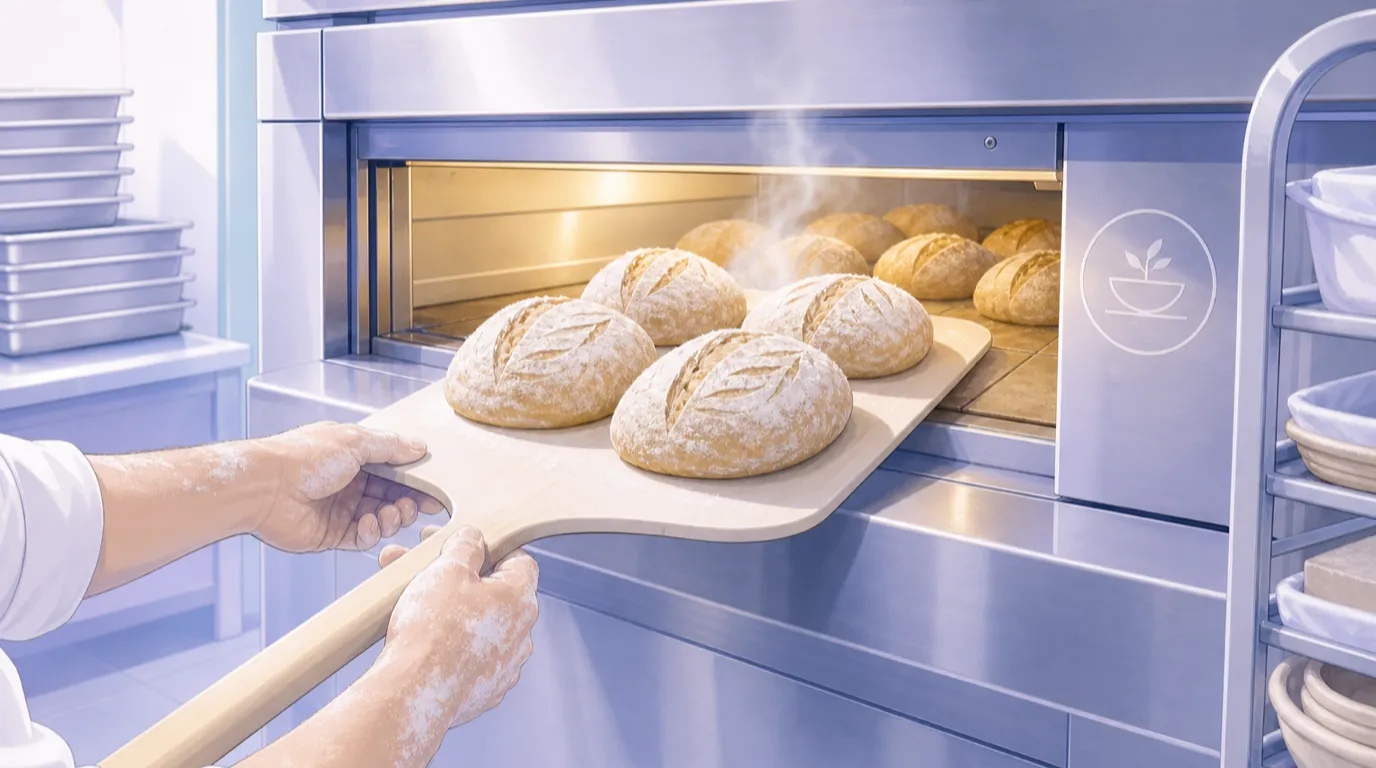
Deck ovens bake with stone-conducted heat and steam injection, which is what gives artisan bread its oven spring and crust. If bread is your identity, you want one. They are expensive (15,000 to 60,000 dollars), heavy, slow to change temperature, and they demand a baker who can read them.
Convection ovens circulate hot air, bake evenly, cost far less (3,000 to 15,000), and are excellent for pastry, cookies, and viennoiserie. Bread bakes acceptably, not brilliantly.
Rack ovens roll a whole trolley of trays inside and rotate it. They are the volume answer, ideal for wholesale, at 20,000 to 50,000 dollars.
Around the oven you need a spiral or planetary mixer sized to your batch (a 20-quart planetary is a starter, a 60-litre spiral is a commitment), a retarder-proofer, which is the piece that lets you shape today and bake tomorrow morning and is therefore the difference between a 3am start and a 5am start, sheeters if you laminate, racks, trays, benches, and refrigeration. Add a display case that keeps product looking alive rather than sweating.
Buy the proofer. New bakers routinely economise here and then discover they have signed up for a decade of starting at two in the morning. Controlled retarding also improves flavour in bread, so it pays twice.
Production planning: baking is manufacturing
Restaurants cook to order. Bakeries commit hours ahead, to a quantity guessed in advance, and then sell against that guess. Get the forecast wrong upward and you throw product away; wrong downward and you turn away customers at ten in the morning with empty shelves. This is the core skill of the business and it is learned with data, not instinct.
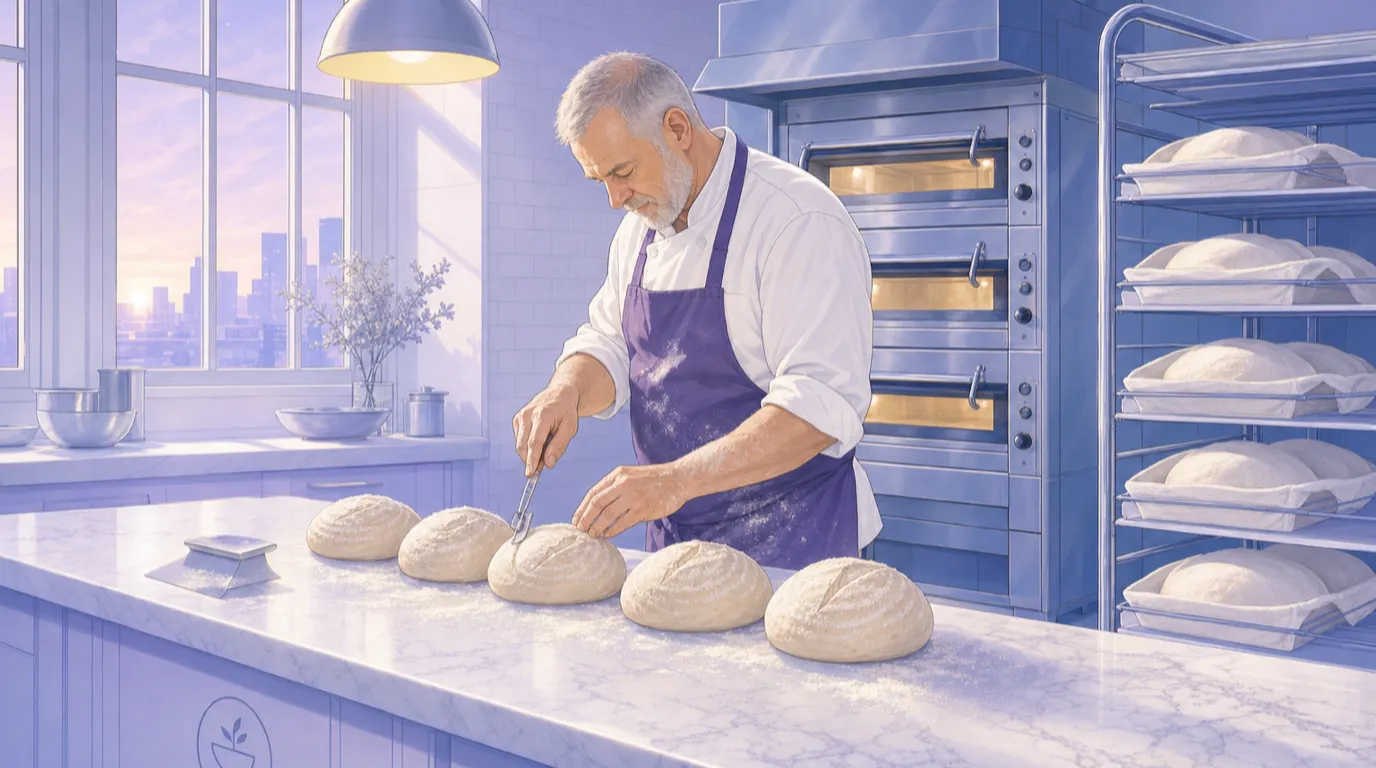
Work backwards from your opening time. If doors open at seven, the case has to be full at 6:45, which means the last bake finishes at 6:15, which means the oven is loaded by 5:30, which means shaping happened the night before and the retarder did the overnight work. Write the schedule out hour by hour and pin it up. Everything about your labor cost flows from this document.
Batch sizing is where the money hides. A tray of 24 croissants costs barely more in labor than a tray of 12, so under-batching quietly doubles your labor per unit. Bake to full trays and full oven loads, then use the sales data to decide how many loads.
Track sell-through per item per hour, not just daily totals. The pattern you are looking for: which items are gone by nine (bake more), which sit until two (bake fewer or move them to a later slot), and which never recover from a slow Tuesday. Two weeks of honest hourly data will change your production sheet more than a year of intuition.
Build a par sheet, revise it weekly, and let seasonality move it. Bakeries swing hard: December can run triple a normal week, and the fortnight after New Year can fall off a cliff.
Pricing when flour and butter will not sit still
Bakery food cost typically lands between 20 and 30 percent, better than most restaurants, and that comfort hides a trap. Your inputs are commodities. Butter has doubled inside a year more than once, wheat moves with weather and freight, eggs swing with disease cycles, and cocoa has had a spectacular few years. A menu priced against last spring's invoice quietly stops working.
Cost every recipe by weight, per batch, then per unit, and rebuild those numbers quarterly. Include the trimmings: parchment, boxes, bags, labels, and the ribbon on the cake box are real costs that never appear in a recipe. Packaging alone can add 3 to 8 percent on takeaway-heavy items.
Price for the labor, not just the flour. A croissant costs pennies in ingredients and three days of process. Laminated goods, decorated cakes, and anything hand-finished should carry margins that reflect the hours, and customers accept this more readily than nervous owners expect. The bakery that prices its croissant at 2.20 dollars because the corner shop does is competing on the wrong axis.
Cakes deserve their own pricing logic. Custom celebration work is the highest-margin category most bakeries have access to, frequently 75 percent and up, and it comes with deposits, scheduled pickup, and demand that concentrates on weekends. Many small bakeries discover that the cake book, not the bread, is what pays the rent.
Waste is the number that defines you
Every bakery faces the same daily problem: you must have full shelves at nine and empty ones at close, and those two goals fight each other. Waste of 5 to 10 percent of production is considered healthy. Fifteen percent and up will eat your profit entirely, and it does so quietly, because unsold product never appears as a loss in the way a returned dish does.
Weigh it. Actually weigh it, daily, by item, into a log. The exercise is unpleasant for about a week and then it becomes the most useful number in the building, because it tells you exactly which items to cut back and which are worth pushing.
Then build a descending sales plan for the day. Bake in waves rather than one morning avalanche, so afternoon customers get something fresh and you are not committed to the full day's volume by six in the morning. Discount late rather than binning: a day-old basket at 40 percent off recovers cost and creates its own loyal following of regulars who plan around it. Convert what you can rather than losing it, since yesterday's bread becomes croutons, breadcrumbs, bread pudding, or French toast on the café menu. Set up a standing donation arrangement with a local charity for the rest, which in several countries carries a tax benefit as well as the obvious one.
One caution about discounting: keep it late and keep it consistent. A bakery that starts cutting prices at two in the afternoon teaches its customers to arrive at two.
Wholesale: volume at a price
Wholesale is the lever most retail bakeries eventually pull, and it is worth understanding before you pull it. You sell at roughly 40 to 50 percent of retail, so a loaf you sell for 7 dollars at the counter goes out at 3.20. In exchange you get orders placed a day ahead, which removes the forecasting guesswork, volume that fills otherwise idle oven capacity, and revenue that does not depend on foot traffic.
The economics only work if the wholesale production genuinely uses spare capacity. If it forces you to add a shift, buy a second oven, or hire a driver, run the numbers again carefully, because the margin is thin enough that new fixed costs can turn it negative.
Practical guardrails: require standing orders with a cutoff time, set a minimum order that makes delivery worth the trip, invoice weekly rather than monthly, and check credit before extending terms. Restaurants are lovely customers right up until one closes owing you six weeks of bread. Route your deliveries so the driver is not crossing town twice, and price delivery into the product rather than pretending it is free.
Staffing the four in the morning problem
Bakery labor typically runs 25 to 35 percent of revenue, and the schedule is the hard part rather than the rate. Someone has to be shaping dough while the rest of the world sleeps, and that person is difficult to find and expensive to replace.
A small retail bakery usually needs a head baker, one or two production bakers or assistants, two or three counter staff, and a decorator if you sell cakes. Owners frequently bake themselves for the first year, which is realistic and also the reason many burn out. Plan your own exit from the 3am shift explicitly, with a date and a hire attached to it.
Retention beats recruitment here, because training a baker takes months. What works: publish the schedule two weeks ahead, keep start times consistent so people can build a life around them, pay above the local median for the overnight shift specifically, and share the skill upward so assistants are learning laminating and scoring rather than only panning trays. A baker who is getting better stays longer.
Counter staff are a different hire entirely. They are your entire customer experience, they work a rush that is 90 minutes long and relentless, and they need speed and warmth over food knowledge. Cross-train them on packing wholesale orders to smooth out the mid-morning lull.
Licensing, allergens, and the paperwork
Requirements differ by country and city, but the list rhymes everywhere: business registration, a food business licence or registration with the local authority, a food safety or health inspection before opening, food handler certification for staff, a fire inspection, and planning or zoning sign-off that permits food production at the address. Build-out work usually needs building permits, and ovens frequently trigger a separate mechanical inspection for the hood and gas connection. Budget eight to sixteen weeks and start early, because approvals, not construction, are what usually delay openings.
Allergens deserve particular attention in a bakery, more than in almost any other food business. You handle wheat, egg, dairy, nuts, sesame, and soy in the same room, often in the same mixer. Labelling rules for pre-packed and loose foods have tightened across the EU and UK in recent years, and getting them wrong carries real penalties.
Be straightforward about it. If you cannot guarantee separation, say so plainly on your labels and let customers decide. If you do run a gluten-free line, understand that meaningful separation means separate equipment, separate storage, and separate prep time, not a wiped-down bench. Half-measures here are the kind of risk that ends businesses.
The first year, in numbers
A healthy small retail bakery tends to land near these ratios once it settles: food cost 25 to 30 percent, labor 30 to 35, rent under 10, waste under 8, leaving a net margin somewhere between 4 and 12 percent. Those are not generous numbers, and they are earned through volume and repetition rather than any single clever decision.
Revenue builds differently than in restaurants. Bakeries are habit businesses, and habit forms slowly. Expect the first three months to run below plan while the neighbourhood learns you exist, a lift around month four to six as regulars form, and genuine seasonality on top: the run from late November through December can carry an entire year, and January will test your reserve.
Watch five numbers weekly. Sales per day against the same day last week, waste as a percentage of production, food cost, labor as a percentage of sales, and average transaction value, which is the one most owners ignore and the easiest to move. Adding coffee, selling by the half-dozen, and putting a small impulse item beside the till can lift a 6 dollar ticket to 9 without a single new customer walking through the door.
Start with the format decision and the power supply, in that order, because they are the two things you cannot cheaply reverse. Then get the proofer, the production schedule, and the waste log in place before opening day rather than after, since those three are what turn a bakery that people love into a bakery that pays you.
Read next: How to open a coffee shop, restaurant startup costs, and reducing food waste.