Coffee shops are the most dreamed-about business in hospitality, and the dream is more achievable than most: startup costs a fraction of a full restaurant's, gross margins the envy of the industry, and a product people buy every single day of their lives. But the gap between the shops that thrive and the ones that quietly close in year two is not latte art, it is operating discipline: location math done honestly, a build-out that did not eat the working capital, a menu engineered for speed and ticket size, and systems, from the POS at the counter to the takeaway flow that keeps the morning line moving, chosen before opening day rather than improvised after. This guide walks the whole path: concept, money, location, build-out, menu, team, and the first-year numbers that decide everything.
Use it alongside the deeper dives it links to, our startup costs and financing guides apply fully to coffee, usually in smaller numbers, and the format decisions here determine which chapters of each apply to you. One orientation note first: the coffee business is a morning business. Whatever else your concept promises, the economics are decided between 6:30 and 10 a.m., and nearly every recommendation below is downstream of that fact.
Choose the format before the fantasy
"Coffee shop" spans four businesses with different economics, and choosing consciously is the first real decision. The kiosk or cart (20,000 to 75,000 dollars to open) trades seating and food for tiny rent and fast payback, and makes a superb first business or second location. The takeaway counter (80,000 to 150,000) serves the commute with minimal seating, high transaction speed, and lean labor, the format where great systems most directly become profit. The full cafe (150,000 to 350,000) adds seating, food, and afternoon business, plus the build-out, labor, and complexity that come with it; it earns more revenue and demands more management. The drive-through (200,000 to 400,000-plus) is the current unit-economics champion in car-oriented markets, with ticket counts a walk-in shop cannot match, and land and construction costs to match.
Pick by market and by self-knowledge, not by Pinterest. A dense downtown corner wants the takeaway counter; a neighborhood without a third place wants the cafe; a suburban arterial wants the drive-through. And be honest about the second question: the cafe fantasy is usually about atmosphere and community, which are real and valuable, but they ride on top of a manufacturing operation with a daily 6 a.m. deadline. Write the concept one page long, format, audience, menu scope, price point, the three things you will be known for, and let that page discipline every subsequent choice, from the espresso machine to the paint. When a tempting idea arrives mid-project, the reclaimed-wood communal table, the full brunch menu, the record player corner, the page is what tells you whether it serves the concept or just the mood board, and month-old decisions read differently at 6 a.m. than they did at midnight on a design blog. That page is also the seed of the business plan your lender and landlord will read.
The money: what it costs and where it comes from
Build the budget from the big rocks down. Build-out is the largest and most variable line, 40 to 50 percent of most budgets: plumbing (espresso machines, sinks, and filtration all want water and drains where cafes rarely have them), electrical (a three-group machine plus grinders plus brewers overwhelm ordinary panels), counters, finishes, and seating. Equipment runs 30,000 to 80,000 new (the full list, with prices, lives in the FAQ below and our equipment guide). Then licensing and deposits, initial inventory, branding and signage, and the two lines that protect you: a 10 to 15 percent construction contingency, and three to six months of operating reserve, because coffee shops ramp gradually, neighborhood by neighborhood, and the reserve is what buys the ramp time.
Fund it with the stack from our financing guide scaled down: owner savings as the equity injection, an SBA loan or microloan (coffee-sized projects fit the SBA Express and microloan programs beautifully), equipment financing carrying the espresso machine and refrigeration, a negotiated tenant improvement allowance shrinking the build-out, and a small working capital line for the ramp. Two coffee-specific notes: roaster partnerships sometimes include equipment loans or leases in exchange for a supply commitment, worth pricing but read the coffee-cost premium honestly, and the second-generation space, a former cafe or sandwich shop with plumbing, ventilation, and a grease trap in place, is the single biggest money-saver available, routinely cutting build-out by a third to a half.
Location: the decision that outweighs all others
Coffee is bought on the way to somewhere else, which makes site selection close to destiny. The checklist: morning-side-of-the-street position on a commute path; anchors within a short walk, offices, transit, hospitals, campuses, gyms, that generate weekday repetition; visibility and effortless access (a door people can reach in ten seconds, parking or a walk-up window in car territory); and co-tenancy that shares your customer, not a vacant strip. Validate with your own counts, three weekday mornings of standing at the site counting passers-by beats any broker's brochure, and study the competition with respect: a busy incumbent proves the market and defines the standard you must beat on speed, quality, or experience.
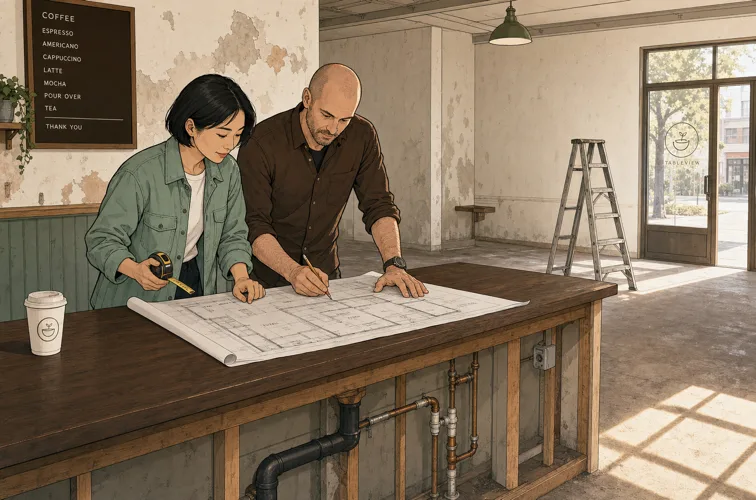
Then negotiate the lease like the investment it is. Target rent at 8 to 12 percent of honestly projected sales, never more than 15; push for a tenant improvement allowance and a rent-free build-out period (both standard asks, both effectively financing); secure an exclusivity clause preventing the landlord from leasing to another coffee concept; confirm signage rights, patio rights, and hours; and cap the personal guarantee if one is demanded, two years, not the full term. Walk the space with a contractor before signing: water, drainage, electrical capacity, and ventilation are the four utilities that turn charming spaces into budget catastrophes, and an hour of professional eyes is the cheapest insurance in the project. The floor plan principles apply at cafe scale: the counter is a production line, and its geometry decides your peak-hour throughput.
Build-out and the bar line: design for the rush
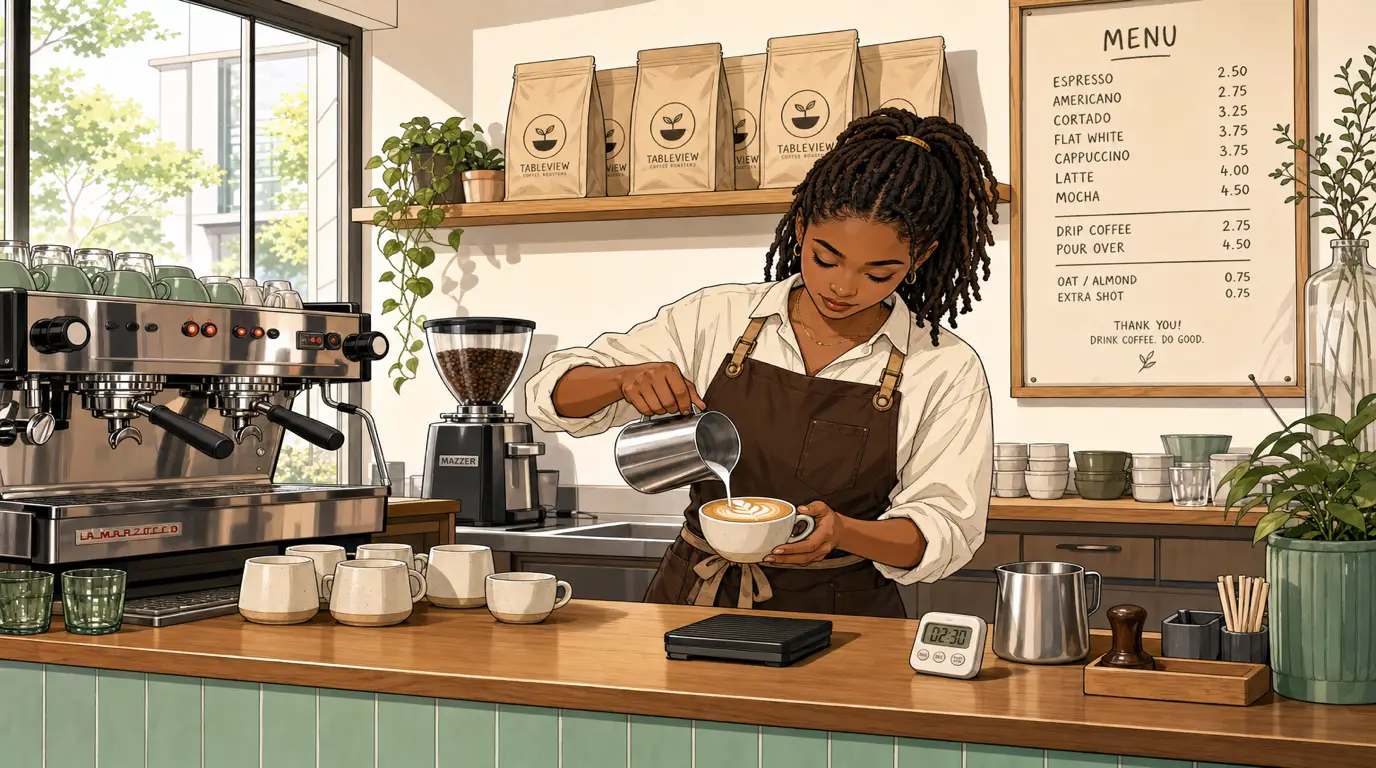
Design the bar backward from the busiest fifteen minutes you hope to have. The classic flow puts order-taking, payment, production, and pickup in a line that moves customers and drinks in one direction without crossing: register at the entry end, espresso machine and grinders in the middle facing the room (theater sells, and a barista facing customers processes verbal orders naturally), batch coffee and pickup at the exit end, with the pastry case working the queue before customers reach the register. Under-counter refrigeration within a step of the machine, pitcher rinsers plumbed beside it, and everything a barista needs for the top ten drinks reachable without moving their feet. Every step eliminated from the drink cycle is seconds off the line at 8 a.m., and the line at 8 a.m. is the business.
Plan the systems layer in the same pass, not after: a counter POS built for speed with a customer-facing display and tap-to-pay (the morning line pays by card and expects to be moving; our coffee shop POS guide covers the selection in depth), a kitchen or bar display routing drink orders so paper tickets never blow off the machine, mobile order-ahead if your market skews commuter (with a defined pickup shelf so the counter does not clog), and loyalty from day one, coffee is the most habitual purchase in food service, and the shop that captures the habit early owns it. Wire the data too: daypart sales reports and product mix from the POS are how you will tune the menu, the roster, and the pastry order every week for the rest of the shop's life.
The coffee program: beans, water, and the roaster decision
The product itself deserves a deliberate program, not a default. The foundational choice is the roaster relationship: a wholesale partnership with a quality local or regional roaster gets you professionally developed espresso blends and single origins, dial-in support, staff training, sometimes equipment help, and a brand association that borrows their credibility while you build yours; roasting in-house belongs years away, if ever, since it is a second business with its own equipment, skills, and margins. Interview two or three roasters like the partners they are: taste widely, ask what training and technical support come with the account, compare per-pound pricing honestly against the support attached, and confirm delivery cadence, because coffee is a freshness product and your inventory should turn weekly, not monthly.
Water is the un-photographed half of every cup, typically 98 percent of it, and the fastest quality upgrade most shops never make. Get your water tested, then buy filtration matched to its chemistry: hardness and chlorine wreck flavor at the cup and scale kills espresso machines at the boiler, and a proper system costs less than one machine repair. From there, run the bar on numbers rather than vibes: recipes documented as weights, times, and temperatures; a morning dial-in routine with a scale and a timer as fixed as unlocking the door; milk steamed to temperature, not to the hiss; and a weekly calibration habit across every barista so the Tuesday latte tastes like the Saturday one. Consistency, not peak brilliance, is what a habit business sells, and the shops that codify it into written recipes and daily routines keep their quality through every staff change, every busy season, and every year the founder spends less time behind the bar.
Menu and pricing: small board, big tickets
Start with a disciplined board: the espresso classics, batch drip, cold brew and iced versions, tea, one signature drink that photographs well and carries your name, and a tight, delivered pastry program, croissants, muffins, one savory option, from the best wholesale bakery in town. Resist the twenty-syrup menu at launch: every added SKU slows the line, complicates training, and adds waste, and the data will tell you within eight weeks what your neighborhood actually drinks. Food is the ticket-size lever, moving a 3.75 drip customer to a 9.50 drink-plus-croissant customer transforms the revenue line, so merchandise the case aggressively, prompt the pairing at the register, and grow toward simple made-to-order food (toasts, breakfast sandwiches) only when volume justifies the labor and ventilation it demands.
Price from costs and courage. Cost every drink, beans, milk, syrup, cup, lid, sleeve, and hold beverage cost-of-goods near 15 to 20 percent, then check the psychology: your anchor prices (drip, latte) should sit within the neighborhood's range while your signature and food carry the margin, the same menu pricing logic restaurants use, at cafe scale. Milk alternatives, extra shots, and larger sizes are honest upsells; price them as such rather than giving them away. And review quarterly against your product-mix report: the menu engineering quadrants, stars, plowhorses, puzzles, dogs, apply to a twelve-item drink board exactly as they do to a bistro menu, and the shops that prune and promote by the numbers outearn the ones that guess.
Licenses, hiring, and the eight weeks before opening
The regulatory stack for a coffee shop is the restaurant stack minus the liquor license: business license, EIN, seller's permit, food service establishment permit with plan review and inspection, food handler cards, certificate of occupancy for the build-out, sign permit, music licensing, all sequenced in our licenses and permits checklist. Health department plan review before construction and early scheduling of the final inspection remain the two calendar-savers, and the compliance calendar with every renewal date belongs in the office from day one. If you bake on site or add a kitchen later, the requirements step up accordingly, ventilation, grease management, possibly a different permit class, another argument for the delivered-pastry launch, and one more line item the second-generation space often already solved.
Hire for the counter you designed: a shop doing 200-plus daily transactions typically runs two to three baristas at peak and one or two off-peak, an experienced head barista or shift lead if you are not that person yourself, and a roster built around the morning, your best people at your busiest hours, the same scheduling discipline restaurants live by. Train on recipes, speed, and hospitality in that order: dial-in routines and drink builds documented as recipes with weights and times, bar drills before opening day, and the service standard, names learned, orders remembered, that makes a habit business sticky. A two-week soft opening, friends and family first, then a quiet unadvertised open, lets the team find its rhythm and the equipment reveal its punch list before the neighborhood forms its first impression. Use those weeks deliberately: time every drink from order to hand-off and attack the slowest step, run the register and the espresso machine simultaneously the way a real rush will, and hold a ten-minute debrief after each shift, what jammed, what ran out, what confused customers, so opening day arrives with the first fifty small problems already solved rather than discovered in front of a line.
The first ninety days: marketing a habit business
Coffee marketing is neighborhood marketing, and the opening quarter decides which morning routines you enter. Before the doors open: claim and complete the Google Business Profile the week the sign goes up (hours, photos, menu, the categories done properly, the same local-visibility work in our local SEO guide), build anticipation on Instagram with the build-out story rather than a logo reveal, and walk the neighborhood personally, introducing yourself to the gym, the salon, the offices, and the school front desks within a quarter mile, with cards for a free first drink. The soft opening doubles as marketing: invite the neighbors, the anchor tenants, and the local delivery drivers by name, because the first hundred regulars are recruited one relationship at a time.
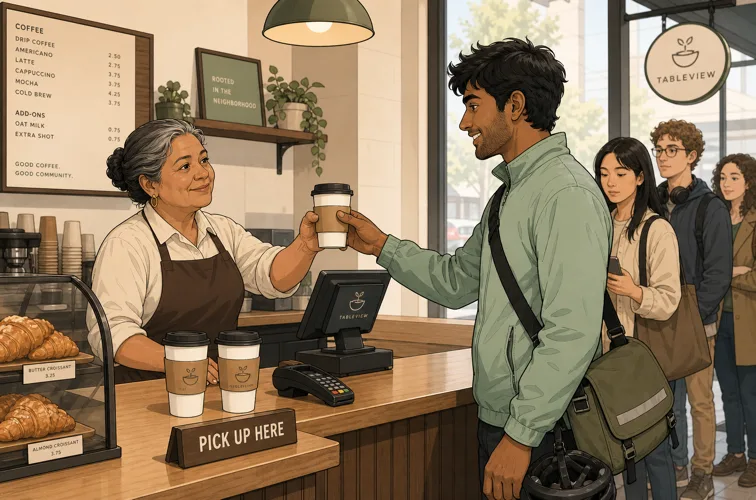
After opening, spend energy where habit forms. Loyalty from day one, digital, attached to the card or phone number, so the habit is rewarded automatically rather than through a punch card that lives in a junk drawer. A weekday rhythm of one Instagram story a day (the drink, the pastry delivery, the dog at table three) beats a weekly produced post; local partnerships, the office coffee-cart morning, the running club's Saturday finish line, the farmers market booth, put the cup in new hands at near-zero cost. Answer every review, especially the imperfect ones, with the tone covered in our reputation guide. And measure what marketing is for: new-customer counts and repeat rates from the loyalty data, not follower counts, because a coffee shop's marketing succeeds precisely when it stops being needed for the same hundred people every morning.
Growth paths: what year two can look like
Once the shop runs on its systems, growth has several proven shapes, each with different capital and management demands. Deepen the existing four walls first, it is the cheapest revenue you will ever add: made-to-order breakfast food where volume justifies it, the afternoon program (affogato, iced flights, a study-hour offer) that fights the 2-to-5 slump, retail beans and merchandise (excellent margin, zero marginal labor), and simple catering, the office coffee box and pastry tray trade that a morning bar can produce without new equipment. Wholesale, supplying cold brew or pastries to neighbors, and a weekend market stall extend the brand beyond the address at kiosk-level cost.
The second location is the classic path, and the honest precondition is not revenue, it is transferability: documented recipes, training that produces consistent baristas without you, a manager who runs shifts to standard, and books clean enough to prove the model, the same operational maturity our multi-location guide assumes. Location two should be easier than location one, same systems, same suppliers, a proven build-out playbook, and if it is not, the gap is in the systems, not the site. Whichever path you choose, fund it from the stack you already know, equipment financing, a track-record-backed bank loan, patient landlords courting a proven tenant, and let the first shop's numbers, not its atmosphere, make the argument.
The first-year math, and the habits that decide it
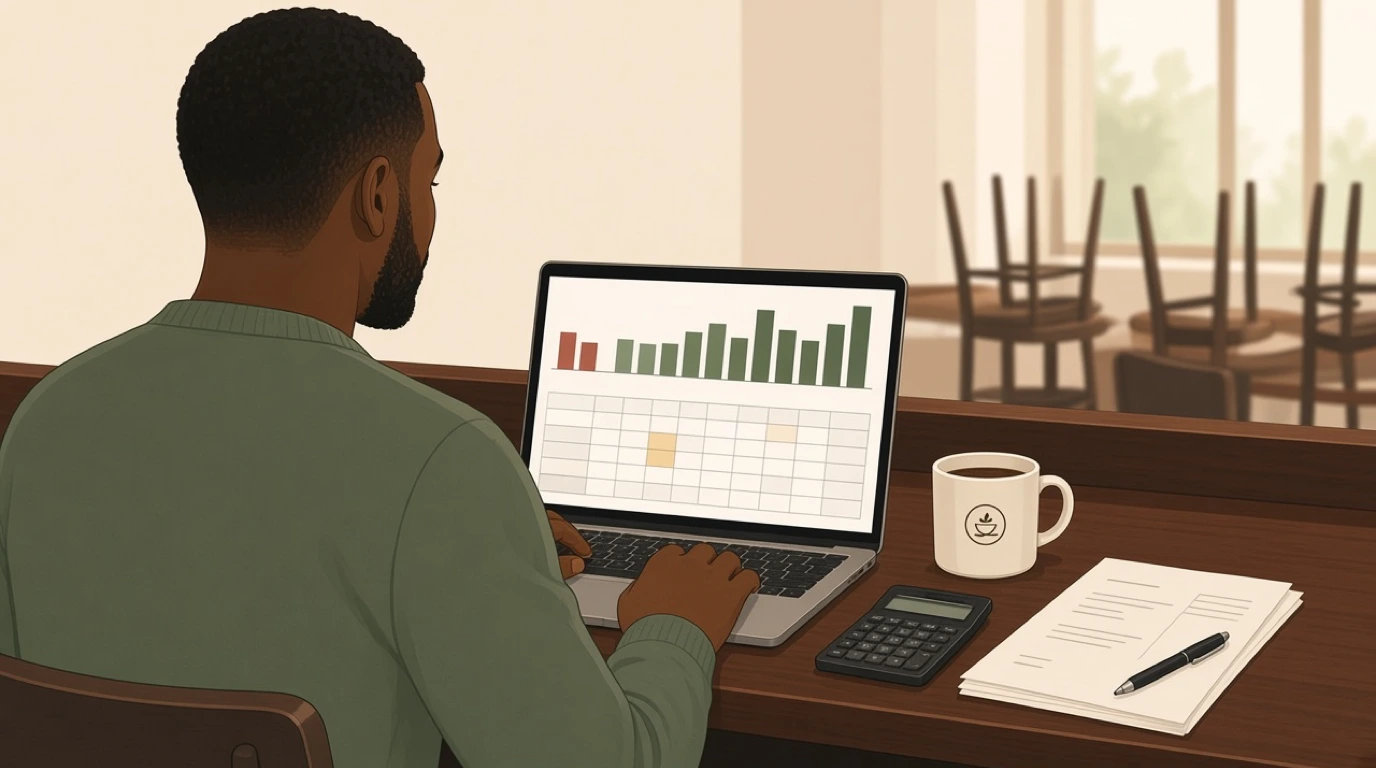
Run the model before you sign anything, and keep running it monthly after you open. The skeleton: transactions per day times average ticket times days open equals revenue; beverage COGS near 15 to 20 percent, food nearer 30; labor, the biggest controllable, 30 to 35 percent of sales including your own wage; rent ideally 8 to 12 percent; the remainder covering utilities, supplies, marketing, insurance, and loan payments. A worked example: 220 transactions at 6.75 average, six days a week, is roughly 460,000 a year; at healthy percentages that shop nets 12 to 15 percent, 55,000 to 69,000, before debt service. Now stress it honestly in both directions: at 150 transactions the same shop roughly breaks even, and below that it consumes the reserve at a measurable monthly rate that tells you exactly how long you have to fix the problem, which is why the break-even math belongs on one page taped inside the office door, and why traffic counts beat interior mood boards in every planning hour you allocate.
After opening, the shops that compound share a weekly rhythm: product mix and daypart reports read every Monday, waste logged and attacked, labor scheduled to the sales curve rather than habit, the loyalty list growing and messaged monthly, reviews answered, and one experiment always running, a seasonal drink, a new pastry, a four-o'clock offer to fight the afternoon slump, measured against the KPIs and kept or killed by the numbers. Coffee rewards repetition: the same drink, made excellently, at the same speed, for the same commuter, five days a week, compounds into a business with margins most of hospitality envies. Get the location honest, the bar fast, the board tight, and the books read weekly, and the dream and the discipline turn out to be the same shop, the one where the morning line moves, the regulars are known by name, and the owner is planning the second location instead of covering the reserve, because the boring decisions were made well the first time.