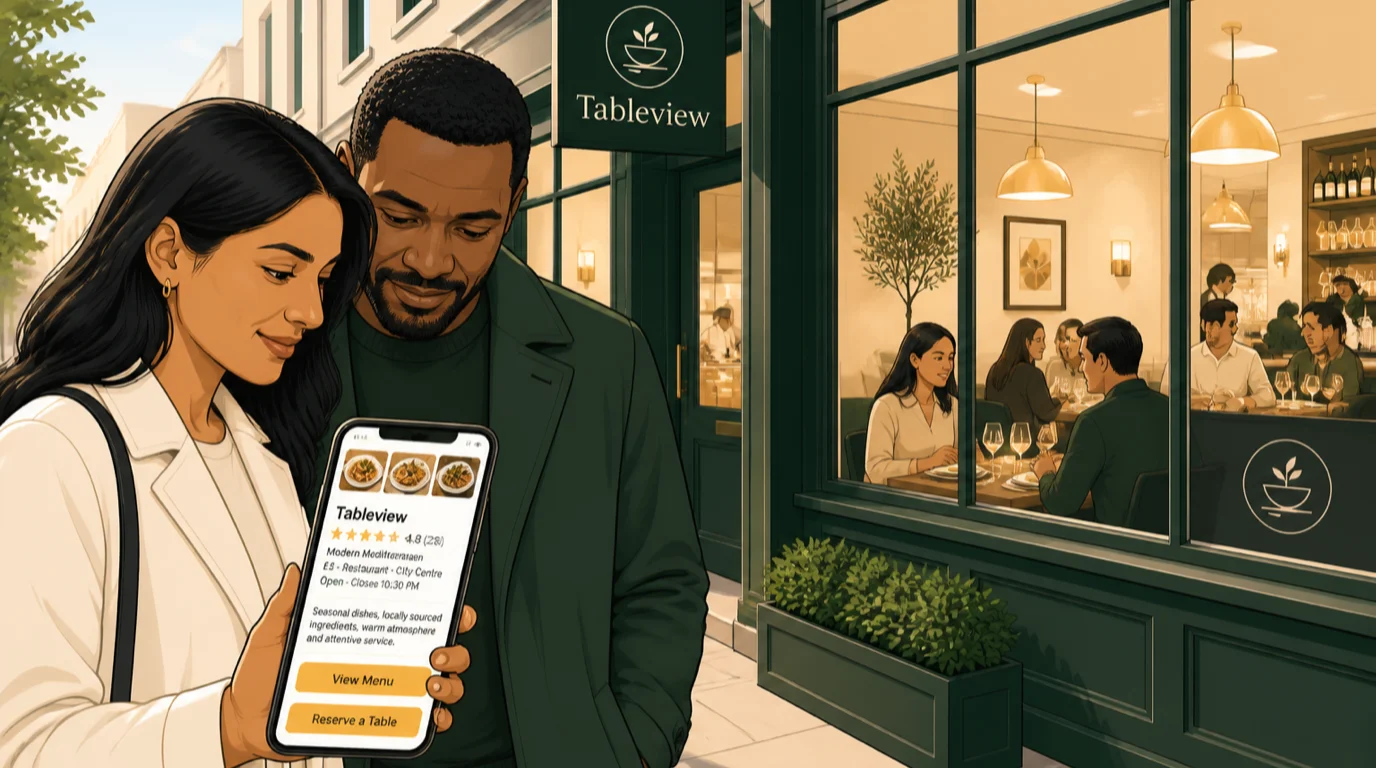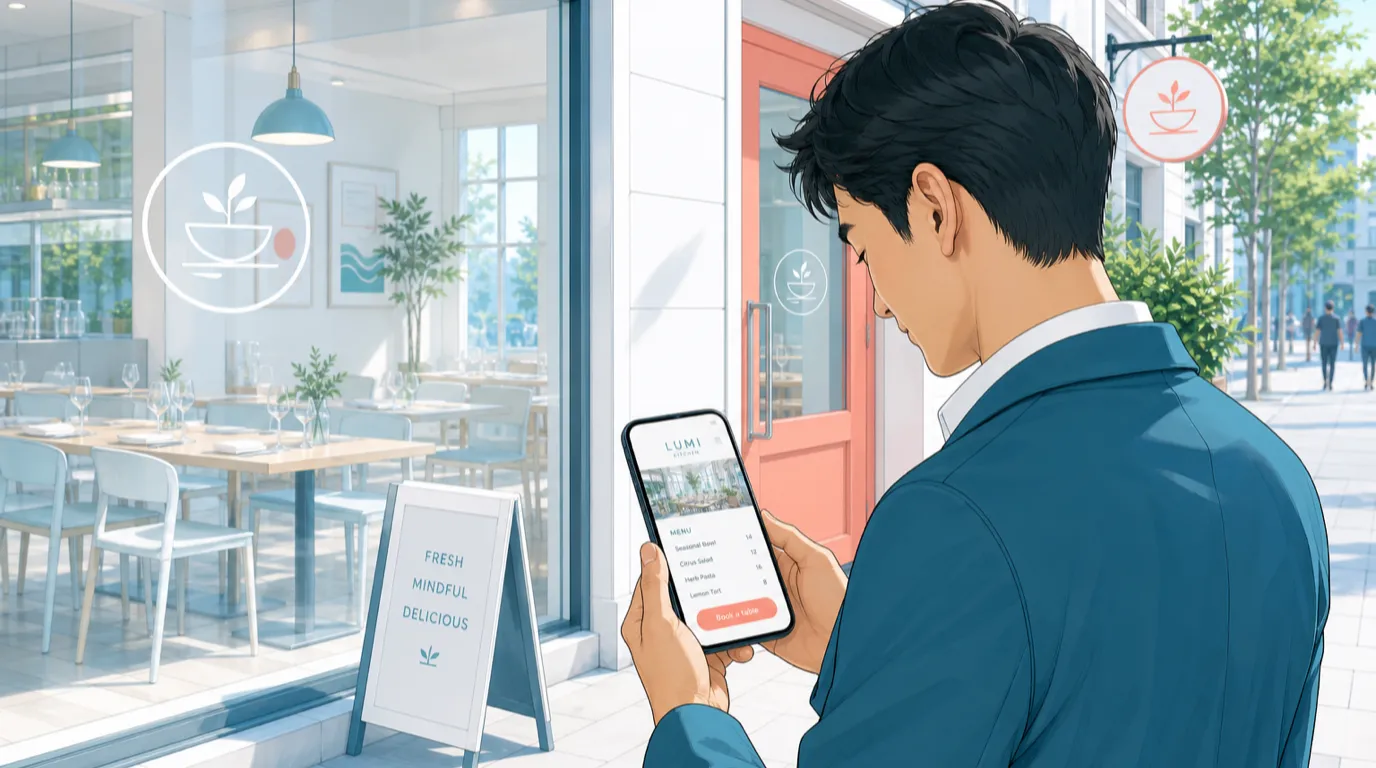
Most restaurants treat social media like a bulletin board for tonight's special and wonder why nothing moves the needle. The feed looks fine. Likes trickle in. Covers on Tuesday stay flat. The gap is not effort; it is strategy. Social is where strangers decide whether your room looks like their kind of night, and every post is a first impression compressed into eight seconds of video or a single photo. Pair that visibility with a direct path to order or book, whether through your mobile ordering and e-menu or a reservation link in bio, and social stops being theater and starts filling seats.
This guide is for operators who already post and want it to work harder, not for agencies selling vanity metrics. We cover which platforms actually matter in 2026, a weekly content mix you can sustain, what to measure beyond likes, when paid makes sense, and how to connect posts to the systems that take money, because a beautiful reel that does not link to your menu is just marketing for the algorithm. Your restaurant POS should tell you which dishes sell after a push so you are not promoting the wrong hero item. Social finds guests; operations and owned channels bring them back.
Why restaurant social media still matters in 2026
Search and social blurred years ago. Guests still discover restaurants on Google and Maps, but they also scroll TikTok at lunch and ask ChatGPT where to eat Saturday. Visual proof matters more than a paragraph of copy. A dark dining room photo tells someone this is not their vibe before they ever read the menu. A fifteen-second clip of a sizzling line item can outperform a hundred dollars of generic search ads if it lands in front of the right neighborhood.
Social also feeds the trust layer that reviews alone cannot provide. Reviews are lagging indicators: they describe a visit that already happened. Social is a leading indicator: it shows whether you are still alive, still cooking, still staffed, still the place the photos promise. That is why a quiet account hurts even when your Google rating is strong. New guests assume you closed, changed owners, or stopped caring.
The counterweight is ownership. Platforms change algorithms, throttle reach, and push you toward paid boosts. Social is rented audience. Email, SMS, loyalty, and direct ordering are owned audience. The winning pattern in 2026 is not picking one channel; it is using social for discovery and building a list you control. Our guide to restaurant email marketing covers the owned side; this article covers the rented side without pretending rented is enough.
Pick your platforms (and ignore the rest)
You do not need to be everywhere. You need to be credible somewhere your guests actually use.
Instagram remains the default for full-service, wine bars, bakeries, and any concept where the plate is the star. Reels drive discovery; the grid builds credibility; stories handle daily specials and 86 updates. If your guests are under forty and your food photographs well, start here.
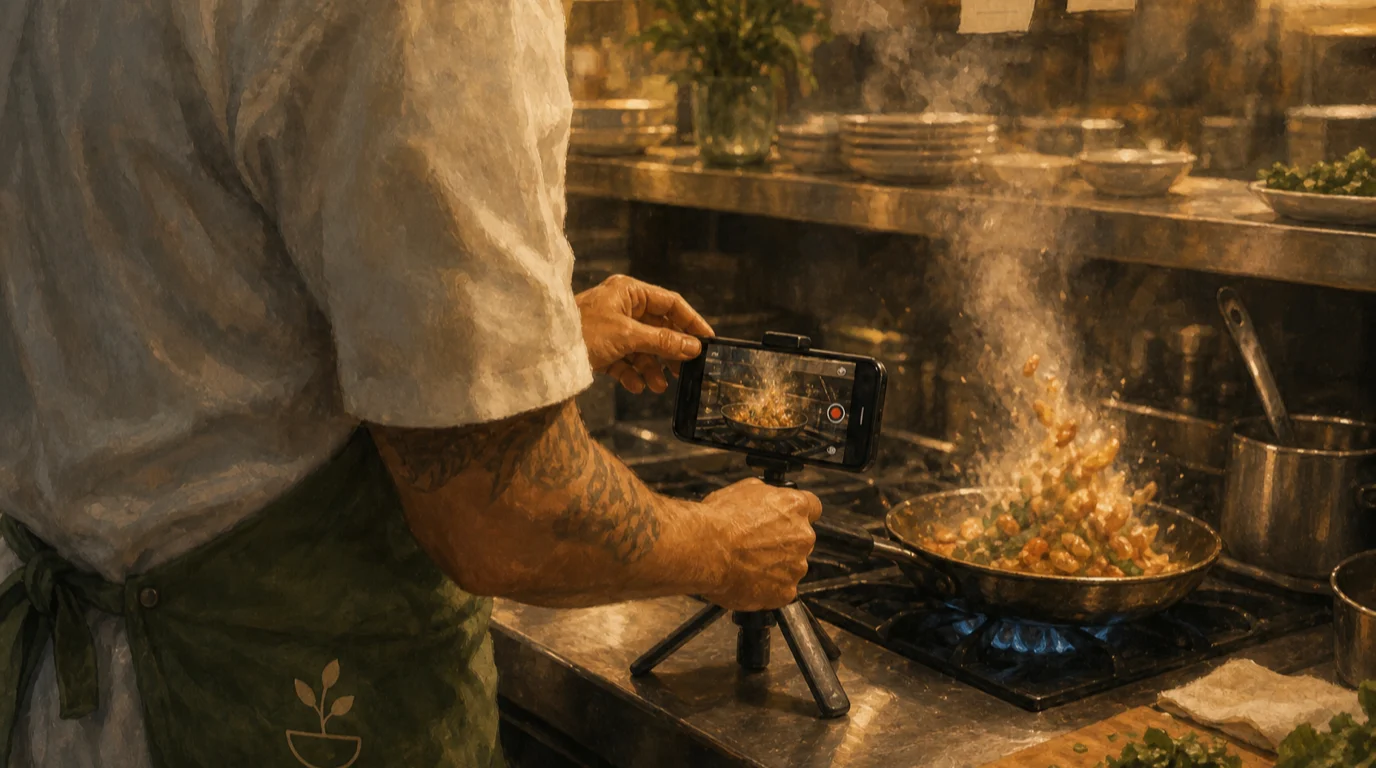
TikTok wins for fast-casual, bars, pizza, and anything with motion: pours, flips, assembly lines, the human chaos of a Friday line. It skews younger but not exclusively. Short, unpolished clips often beat produced ads. If someone on your team enjoys filming, TikTok can outpace Instagram for raw reach in the first ninety days.
Facebook is easy to dismiss and still useful in many suburbs and for event-driven posts: private dining, holiday brunches, live music, fundraising nights. Local groups and parent communities still live there. If your average guest is forty-five plus or you run a lot of group bookings, keep a light Facebook rhythm even if Instagram is your main stage.
Everything else is optional until the core is humming. Pinterest for bakeries and brunch. YouTube for long-form chef content if you have the patience. LinkedIn only if you chase corporate catering. Pick two channels maximum for the first six months. Depth beats sprawl.
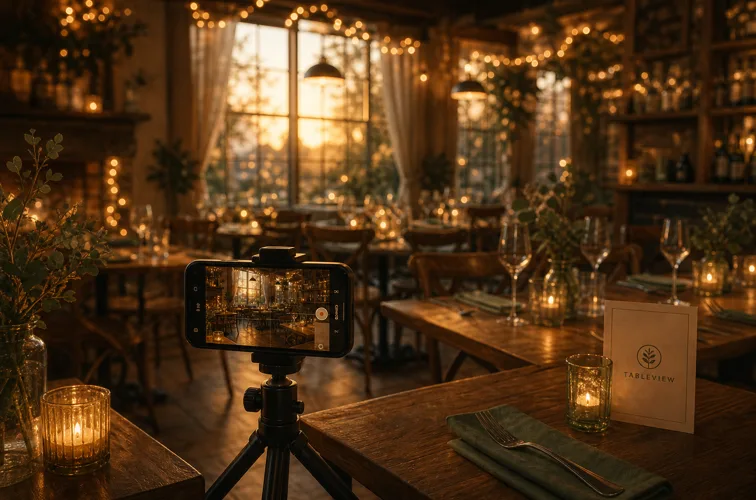
Platform tactics that work without a production crew
Each platform rewards different shapes. Copy-pasting the same asset everywhere is how you get mediocre results on all of them.
Instagram Reels: Open on the food in motion, not on your logo. First second is the hook: steam, a pour, a crack of crust, a flame. Keep clips under twenty seconds when possible. Use on-screen text for the dish name and one line of context because many viewers watch muted. End with a verbal or text CTA: "Tuesday pasta night, link in bio." Post Reels when your local audience scrolls, often 11 AM to 1 PM and 5 PM to 8 PM, and test your own analytics after thirty days.
Instagram Stories: Treat stories as the live layer: tonight's special, sold-out warning, rain closing the patio, a birthday table without showing faces if guests prefer privacy. Poll stickers ("fish or pasta tonight?") are low effort and signal you are present. Highlight buckets pinned to your profile: Menu, Hours, How to Book, Events. New guests use highlights like a FAQ.
TikTok: Vertical, bright, and fast. Show the process: dough stretch, cocktail build, line at open, the sound of a busy pass. TikTok rewards repetition; one format that works ("one minute prep," "server POV," "what we sell every Friday") can run for months with small variations. Reply to comments with video when a question repeats; that doubles as content.
Facebook events: Create an event for anything with a date: wine dinner, holiday brunch, trivia night. Invite your followers, share to local groups where allowed, and post a reminder forty-eight hours before. Event posts still reach people who do not see your daily feed.
Content ideas by restaurant type
Steal from this list when the calendar feels empty. Swap items to match what you actually sell.
Full-service dinner: Server wine pick of the week, thirty-second clip of plating at the pass, photo of the room set for date night, repost of a guest anniversary photo, story on how to request a large table.
Fast-casual lunch: Line speed at noon, build-your-own combo ideas, staff favorite add-on, limited-time sauce, behind-the-counter hygiene pride (clean hands, fresh gloves) without sounding sterile.
Bar and cocktail: Pour clip, origin story of one signature drink in sixty words, staff tasting a new spirit, happy hour clock reminder, photo of the bar at golden hour.
Bakery and cafe: Morning batch pull from oven, croissant cross-section, coffee latte art fail versus win, "sold out by 10 AM" story that creates urgency, seasonal pastry launch with pre-order link.
Multi-location groups: Rotate location spotlights so each site gets love, but keep a consistent visual frame (same filter temperature, same caption style) so the brand reads as one company, not six unrelated feeds.
Legal and practical guardrails
One lawsuit or platform strike can erase years of reach. Basics matter even for a ten-seat room.
Do not use commercial music in Reels unless you use the platform's licensed library. Copyright strikes hurt business accounts. Shoot with platform audio or license-free tracks.
Get clear consent before posting guest faces, especially children. A quick "can we share this?" at the table is enough. Blur strangers in the background when the focus is your staff.
Alcohol posts must respect local rules: no implying free drinks to minors, no encouraging irresponsible consumption, follow age-gating on boosted ads. Show the drink in context of a meal and responsible service.
Honor employee privacy. Not every team member wants to be "the TikTok person." Rotate who appears on camera and never punish someone for opting out.
Tools and workflow (keep the stack small)
You do not need twelve apps. You need a phone with decent light, a weekly calendar, and one scheduling tool if batching helps.
Shoot in natural light near a window when possible; yellow dining room bulbs at midnight make food look sad. Wipe the lens. That alone beats most filters.
Use a simple scheduler (Meta Business Suite covers Instagram and Facebook; TikTok has its own) to queue grid posts. Leave stories manual so they stay honest about tonight's reality.
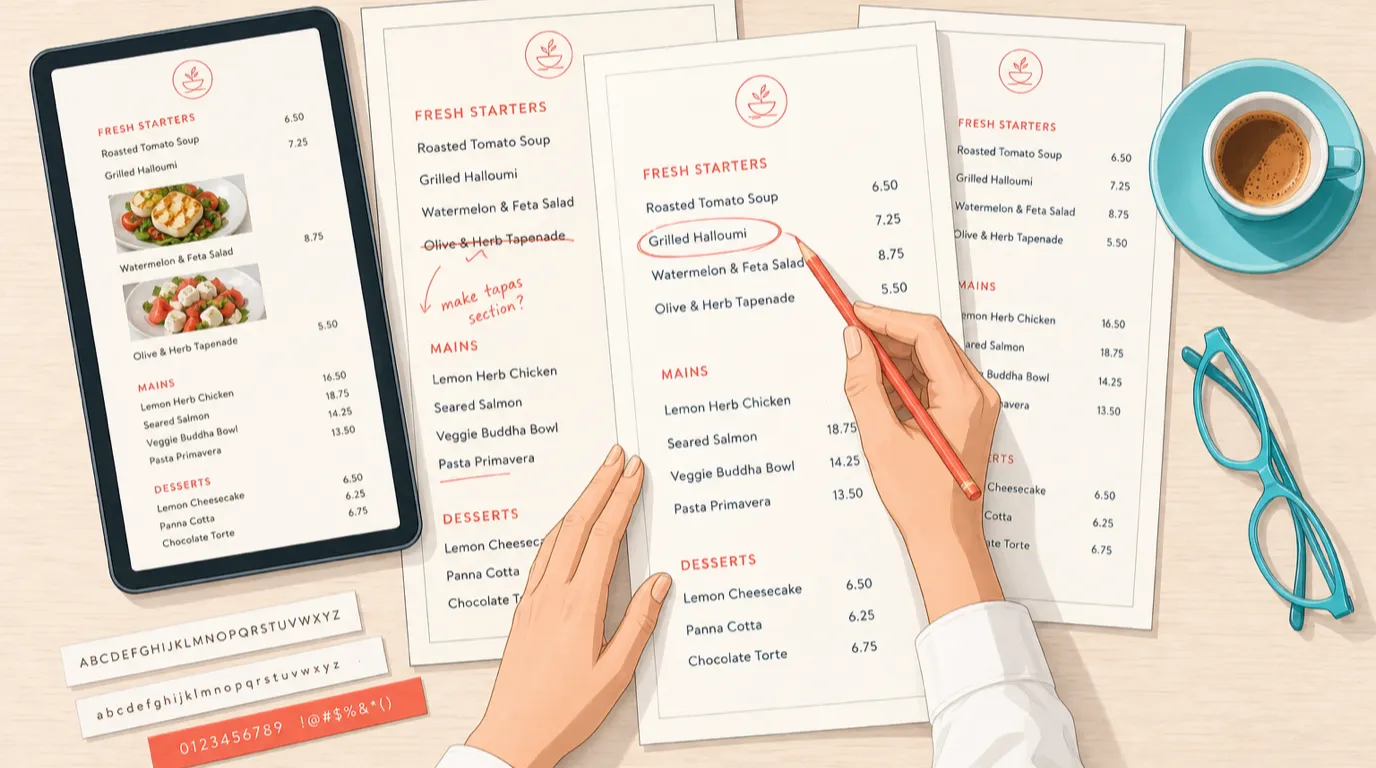
Store assets in a shared folder: logo, menu PDF, approved dish photos, staff photo releases. When the manager is sick, someone else can still post.
Connect reporting to operations. If your POS shows margarita sales jumped the week you pushed margarita Reels, note it. If burger promos never move the mix, stop pushing burgers on social. Marketing without sales data is guesswork dressed as creativity.
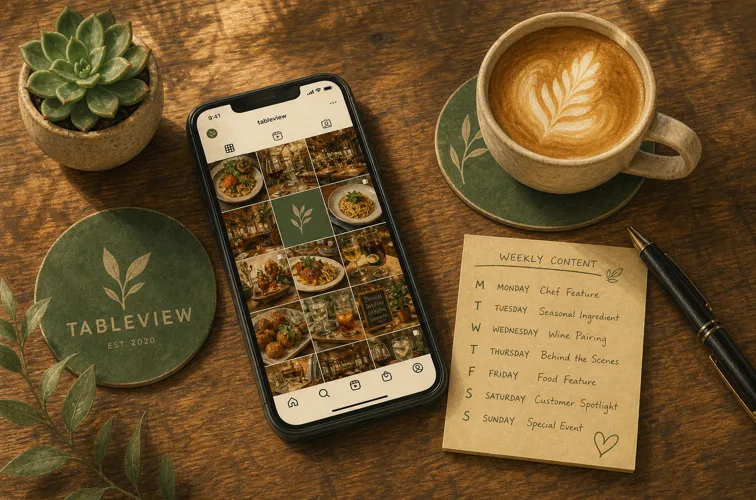
The weekly content framework that does not burn you out
Creativity on demand is how managers quit posting. Structure saves you. A simple weekly mix keeps the feed varied without a daily crisis about what to shoot.
Try this cadence: four food posts (hero dish, new menu item, behind-the-pass clip, one user repost if you have permission), three people posts (server spotlight, chef hand at work, guest moment that feels real), two educational posts (how to book a large party, what gluten-free guests should know, how your loyalty perk works), and one promotional post with a clear deadline (Mother's Day brunch, a slow Tuesday wine deal, last seats for a chef's table). That is ten touches a week if you count stories as the educational and promo layer; many teams run four grid posts plus daily stories instead, which is enough.
Batch production is how independents survive. One hour on Sunday: shoot three plates that fire all week, record one prep clip, photograph the room when it looks best, schedule the grid in a tool, and leave stories for same-day specials. The manager who tries to invent content at 4 PM on a double-shift Friday will hate social forever.
What actually performs (and what to stop posting)
Posts that work tend to share traits: they show specificity, motion, or a face. "Our pasta" loses to "the rigatoni we sell forty times on Friday." Static logo graphics lose to a hand finishing a plate. Captions that teach something small ("we open the patio when it hits 65, not when the calendar says May") outperform generic "we love our community" lines.
Stop posting stock food photography that does not match what lands on the table. Nothing erodes trust faster than a guest who ordered from an Instagram that lied. Stop burying the call to action. Every grid post should answer: book, order, or visit this week. Link in bio is weak; say "reserve through the link in bio" or "order the lunch menu online" in the caption itself.
User-generated content is free credibility when you do it right. Repost guest photos with credit, screenshot a kind review with thanks, share a tagged story from a regular. Ask permission when faces are clear. One real guest photo often outperforms ten professional shots because it signals that normal people enjoy the room.
Tie social to reservations, ordering, and the guest journey
Social that does not connect to money is a hobby. The connection can be simple: link in bio to your website, Google Business Profile booking button, or direct ordering page. Pin the link that matters this month. Rotate it when you push brunch versus dinner versus delivery.
Trackable links beat generic URLs. Use a short link or UTM parameters so you can see which post drove clicks. If Tuesday's reel spiked profile visits but nobody ordered, the menu page or mobile experience may be the bottleneck, not the creative.
Align posts with what the kitchen can execute. Promoting a dish you are about to 86 trains guests to distrust you. Check tonight's prep list before you schedule tomorrow's hero reel. Your POS item mix report should inform what you feature, not just what the chef likes photographing.
Local SEO and social reinforce each other. Posts that mention neighborhood names, landmarks, and dish-level keywords help discovery in Maps and AI summaries. Our restaurant local SEO guide covers GBP; think of social as the weekly proof that your GBP is current.
Metrics that matter (ignore the vanity layer)
Likes are applause. They do not pay rent. Track metrics tied to intent.
Profile visits and link clicks show whether content made someone curious enough to act. Compare spikes to reservation and cover data for the same daypart.
Saves and shares often predict discovery better than likes because they signal future intent or referral.
Direct messages and comments asking practical questions ("do you have parking," "is there a wait") are leads. Answer fast; slow DMs die.
Code redemptions and tagged orders if you run promos. A post with 200 likes and zero redemptions failed commercially even if it was funny.
Follower growth rate only matters alongside engagement rate. Ten thousand inactive followers is a vanity trophy. Five hundred locals who save your posts is an asset.
Review social monthly, not daily. Daily obsession makes you chase trends that do not fit your concept. Monthly review lets you kill formats that never perform and double down on what moved covers.
Organic vs paid: when to spend
Organic builds the library strangers judge you on. Paid puts a specific offer in front of people who do not follow you yet. Both fail when the underlying page looks empty or the offer is vague.
Start paid only when three things are true: your profile has recent posts that look like your restaurant today, your landing page loads fast on mobile, and you have one clear offer with a deadline. Geo-target a mile or three around your location, not the whole city. Restaurants are hyper-local businesses; broad targeting wastes budget on people who will never drive to you.
Retargeting website visitors and engagers is usually cheaper than cold prospecting. A small budget reminding people who watched your reel to book Mother's Day brunch beats blasting strangers with a logo. Kill ads fast when cost per click rises and reservations do not move. Social ads are experiments with a budget cap, not a permanent line item until proven.
Common mistakes that waste hours
Posting only promos. Followers tune out. Mix value and personality between discounts.
Inconsistent voice. If Monday is fine dining captions and Thursday is meme slang, nobody knows who you are. Pick a tone that matches the room and stick to it.
Ignoring comments. A question left unanswered for two days is a lost guest.
No faces. Hospitality is human. Anonymous food-only feeds feel like stock accounts.
Trend chasing. Not every restaurant needs a viral dance. A precise clip of your actual service beats a trend that makes you look desperate.
Forgetting reviews. Social and reputation are one system. Reply to Google reviews, then share milestones ("thank you for 500 five-star reviews this year") without being cheesy. Deeper playbook: restaurant review and reputation management.
A 30-day launch (or relaunch) plan
Week 1: Audit profiles. Same handle everywhere, current hours, one link, bio that says what you are and where. Photograph ten dishes that actually sell. Wipe pinned posts that reference old menus.
Week 2: Post the weekly framework at half volume to build habit. Train one staff member to capture stories during shift. Set a recurring Sunday batch hour.
Week 3: Add a trackable link and a single promo with a deadline. Measure profile visits and clicks daily in a notebook, not in your head.
Week 4: Compare covers on days you posted strong food content versus quiet days. Adjust the mix. Launch email capture on your ordering flow if you have not already, so social discovery feeds an owned list.
After thirty days you should know which two content types work for your room. Scale those. Drop the rest.
Working with local creators without losing your margin
Influencer meals can work when the trade is structured. Invite micro-creators with five thousand to twenty thousand local followers, not national names who charge four figures. Offer a comped meal for two with a clear ask: one Reel, one story, tag and link. Track covers the week their post goes live. If nothing moves, do not renew. If something spikes, invite them back quarterly, not weekly, or you train the audience to wait for influencer comps.
Pay only when you have proof of delivery: posted content, not just a promise. Written agreements for alcohol service and age rules still apply when the camera is out. Your house standards for food quality do not bend because someone is filming; a sloppy plate on a creator's feed is still your reputation.
Employee advocates often outperform strangers. A server who already posts their life may welcome a staff spotlight series. Pay a small bonus for approved content hours rather than hiring an outside creator who has never eaten your food.
Make social part of the marketing stack, not a side project
Social sits beside email, loyalty, gift cards, and your general restaurant marketing plan, not above or below them. A guest who discovers you on TikTok should be able to order once, join loyalty, get a welcome email, and see a consistent story across every touchpoint. Fragmented systems make that impossible; integrated POS and ordering make it automatic.
Assign ownership. "The manager when they have time" is how accounts die. Whether it is a shift lead who loves filming or a part-time marketer, someone owns the calendar, the inbox, and the monthly numbers review. Ownership beats talent when talent is sporadic.
Restaurant social media marketing is not about becoming an influencer. It is about making sure the people who would love your room can see it, trust it, and get to your table or your order button without friction. Pick two platforms, run a weekly framework you can sustain, measure actions not applause, and wire every strong post to the systems that take reservations and payments. Ninety days of that discipline beats a viral moment you cannot repeat. Do it consistently and social becomes a channel you can defend on a P&L, not a chore you dread on Sunday night.
Read next: Restaurant email marketing, Restaurant local SEO, and Restaurant loyalty programs.