Bars are the best-margin business in hospitality and one of the easiest to run into the ground. A poured drink carries a gross margin most restaurateurs can only dream about, 76 to 82 percent when the program is managed, but the same liquid margin attracts every failure mode the industry knows: licenses that arrive late and cost fortunes, inventory that evaporates a pour at a time, and rooms designed for photographs instead of throughput. The owners who thrive treat the bar as a system from day one, from the stock management that tracks every bottle to the payment flow that keeps tabs honest at 1 a.m., and this guide walks through building that system step by step.
The sequence matters as much as the steps: concept before location, license before lease commitment, menu math before the first bottle order. We will cover the concept and the business plan, what opening really costs, the liquor license in all its bureaucratic glory, the lease, the layout, the drink program and its pour-cost arithmetic, equipment, technology, staffing, supplier and inventory control, and the opening itself. Where a topic deserves a deeper dive, we link the dedicated guide, starting with our bar pour cost guide, the single most important number in this business.
Step 1: Choose the bar concept deliberately
A bar concept is a specific promise to a specific crowd: a neighborhood tavern where regulars watch the game, a cocktail room at 16 dollars a drink, a wine bar with thirty pours by the glass, a beer hall, a sports bar, a live-music venue, a gastropub where the kitchen shares billing with the taps. Each model dictates everything downstream: the license type, the square footage, the equipment, the staffing profile, and the margin structure. A cocktail program needs skilled labor and prep time but commands premium prices; a draft-focused tavern runs leaner labor with lower checks and higher volume; live music adds revenue and a soundproofing budget in the same breath.
Test the concept against the neighborhood before committing. Walk the blocks at 6 p.m. and 11 p.m. on different nights: who is out, where do they gather, what closes early, what has a line. Study the competition's programs and prices, and name the gap you fill in one sentence. Define the target check average and visit pattern, after-work drinks run different economics than destination Saturday nights, and write the two-page concept document: the guest, the offer, the price point, the room's feel, the name. That document is the referee for every argument with designers, contractors, and your own enthusiasm for back-bar marble over the coming months.
Step 2: The business plan and the break-even math
The plan forces the arithmetic that enthusiasm skips. Follow the structure of our business plan guide, concept, market, competition, organization, marketing, financials, with the bar-specific numbers front and center: revenue built bottom-up from seats, turns, and check average by daypart and day of week, because a bar's Tuesday and its Saturday are different businesses; beverage cost targeted at 18 to 24 percent pour cost; labor scaled to the service model; and occupancy ideally under 10 percent of realistic sales. Model the slow ramp honestly, bars build regulars over months, not weeks, and confirm the slow scenario survives.
The anchor of the plan is the break-even analysis: the monthly fixed cost load divided by the gross margin tells you exactly how many drinks per night keep the doors open, and that number should feel achievable from the foot traffic you counted, not from hope. Bars carry two financial quirks worth modeling explicitly: shrinkage, budget 2 to 4 percent of beverage revenue even with good controls, and seasonality, patios and holidays swing bar revenue harder than restaurant revenue. If the plan only works in December with zero shrinkage, it does not work.
Step 3: What opening a bar really costs
Budget ranges run from roughly 125,000 dollars for a modest neighborhood bar in a space that was already a bar, to 500,000 and beyond for a ground-up cocktail room or a bar with a full kitchen. The stack: build-out and the bar itself, custom counters with integrated plumbing, drainage, and refrigeration are the most expensive furniture you will ever buy; the liquor license, from hundreds to hundreds of thousands depending on jurisdiction; equipment and glassware; furniture and sound; technology; deposits, insurance, and professional fees; opening inventory, typically 8,000 to 25,000; and pre-opening payroll for hiring and training. Our startup costs guide details the general hospitality lines; the bar-specific premium concentrates in the license, the bar build, and the inventory.
Then protect the two lines that keep new bars alive: contingency, 10 to 20 percent on the build-out, because walls hide surprises, and working capital, three to six months of full operating expenses in reserve. The classic bar failure is not a bad room; it is a good room that spent its reserve on reclaimed-wood paneling and could not make payroll in month five while the neighborhood was still discovering it. Fund the boring version of the budget, and let year-two profits buy the marble.
Step 4: Fund it
Bar funding follows the restaurant playbook with one complication: some lenders are warier of alcohol-led businesses, and in license-quota markets the license itself can be the largest single line. The usual mix: personal savings as the anchor, government-backed small business loans where available, equipment financing for refrigeration and draft systems, tenant improvement allowances negotiated into the lease, and private investors, documented formally, with equity or repayment terms in writing, however friendly the handshake. In markets where licenses trade for six figures, specialized license financing exists, and some landlords hold licenses attached to the premises, a lease that includes the license changes the entire capital picture and is worth hunting for.
Keep the debt service in the pro forma at its real monthly cost from day one, and resist closing the funding gap by draining the working capital reserve. If capital and budget do not meet, shrink the project: fewer seats, a shorter opening spirits list, kegs before a custom draft wall. A bar can upgrade its back bar every quarter it survives; it cannot survive on an impressive back bar alone.
Step 5: The liquor license and the permit stack
The liquor license is the project's critical path and its biggest jurisdictional lottery. License types differ, beer and wine versus full spirits, on-premise versus off, with food-service conditions or without, and so do regimes: some jurisdictions issue new licenses for modest fees in 60 to 120 days, while quota markets cap license counts, forcing purchases on a resale market where prices reach hundreds of thousands of dollars and transfers take six months or more. The process almost always involves background checks on the owners, premises diagrams, zoning verification, public notice, and sometimes community board hearings where the neighbors get a vote on your existence. Three rules: identify the exact license type and its true market cost before writing the business plan, never sign an unconditional lease before the license path is confirmed, make the lease contingent on licensing, and in any complicated market, hire a local licensing attorney, whose fee is rounding error against a rejected application.
Around the liquor license sits the standard permit stack: business entity and tax registration, general business license, certificate of occupancy, fire inspection and capacity certification, capacity numbers shape the revenue model, so know them early, health permit if food is served, signage permits, and music licensing for anything you play or host, live venues also mean sound ordinances and sometimes cabaret-style permits. Server training and certification (responsible alcohol service) is mandatory in many places and a good idea everywhere, and alcohol liability insurance, dram shop coverage where applicable, is not optional in practice: one overservice incident without it can end the business. Budget the full stack in both money and calendar time, and track it like the project it is.
Step 6: Location and the lease
Bar location math is unforgiving because the good hours are few: most bars earn most of their revenue in fifteen to twenty hours a week, so the site must deliver the right crowd during exactly those windows. Evaluate candidates at your actual peak hours, Thursday through Saturday nights, not Tuesday noon: pedestrian flow, complementary businesses, restaurants that discharge diners looking for a nightcap, venues that empty at your peak, transit and parking, and the late-night safety feel of the block. Check the regulatory geography before falling for a space: minimum distances from schools and churches, zoning overlays that cap late licenses, and residential neighbors who will fight your patio and your closing time.
The lease negotiation follows the hospitality standard, occupancy under 10 percent of realistic sales, tenant improvement allowance, free rent through the build-out, capped personal guarantees, renewal options, with two bar-specific additions: a licensing contingency that releases you if the liquor license fails, and explicit terms on operating hours, noise, and outdoor space, negotiated now rather than litigated later. Second-generation bar spaces, with the plumbing, drainage, and sometimes the license attached, are worth a substantial premium in both money and months; our restaurant opening guide covers the general site-selection playbook that applies here too.
Step 7: Design the room around the bar
In a bar, the bar is the kitchen, the stage, and the cash register in one piece of furniture, and its design decides the room's economics. Work out the service capacity first: how many bartenders at peak, how many wells, where the service bar for table orders sits, and size the counter accordingly, an undersized well turns Saturday night into a queue, and a queue is revenue walking out the door. Behind the counter, the back bar is inventory display and workflow at once: speed rails, refrigeration, glass storage, and the dish pit placed so a bartender never takes more than two steps for the ninety percent of orders that pay the rent. Our floor plan guide covers the general geometry; the bar-specific rule is that every meter of back bar walked per drink is money.
The room around the bar sets the visit length and the check. Zone it deliberately: bar seats for solo drinkers and regulars, tables for groups, standing room where the license and fire code allow, softer corners for the early evening and energy toward the bar for late night. Sound is a design decision, not an afterthought: conversation-friendly acoustics for a cocktail room, energy without ear damage for a late venue, and soundproofing wherever residential neighbors share walls. Lighting runs the same arc dimmer as the night deepens. And design the compliance in: clear sightlines so staff can see every corner, a defensible ID check point at the door for late formats, and camera coverage of the registers and the stockroom, the insurance premium discounts alone often pay for it.
Step 8: Build the drink program and price it on pour cost
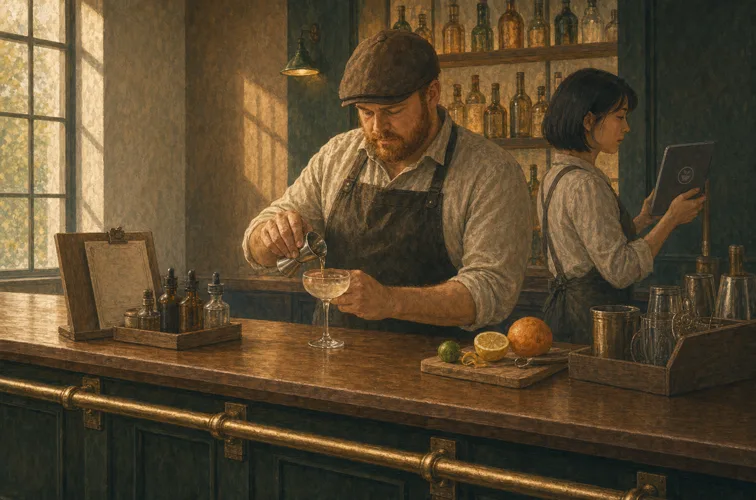
The drink menu is the business model in a glass, and its math is the pour cost: the liquid cost of a drink divided by its price. Healthy programs run 18 to 24 percent blended, liquor pours at 15 to 20, draft beer near 20, wine and bottled beer higher, and every drink on the list should be costed to the milliliter before it gets a price, the full arithmetic lives in our pour cost guide. Keep the opening list tight: a focused cocktail list the bar executes fast and consistently beats an encyclopedia that stalls the well, and a spirits selection built around what the neighborhood drinks, not what the owner collects. Standardize recipes and pour sizes from day one, jiggers or measured pourers, documented specs, because a free-pouring bar does not have a pour cost, it has a rumor.
Price with intent using the menu pricing and menu engineering playbook: anchor the list with a premium option, place the high-margin house cocktails where eyes land, and mind the psychology of round numbers in a dim room. Plan the daypart economics deliberately, a happy hour that fills the dead 5-to-7 window with slightly discounted high-margin drinks generates revenue that would not otherwise exist, without training the Saturday crowd to expect discounts. If food is in the model, keep it a short, high-margin list engineered around a minimal kitchen, designed to extend the visit rather than complicate the operation.
Step 9: Equip the bar
Bar equipment is less varied than kitchen equipment but every piece earns its place in the workflow. The essentials: underbar refrigeration and glass chillers, ice machines sized generously, run the demand math and then round up, because a bar that runs out of ice on Friday night is closed in every way that matters, the draft system if beer is central, tap count, glycol lines, and gas balancing are their own small engineering project, speed rails, wells, shake stations, and the glass washer, undercounter units keep glassware turning at pace. Glassware itself is a budget line owners underestimate twice: once at opening and again every month, as breakage runs steady; buy durable stock shapes for volume service and reserve the delicate stemware for the list items that justify it.
Buy smart by category: used stainless, sinks, and speed rails carry no risk, while refrigeration, ice machines, and dish machines are worth buying new for the warranties, the same logic as our kitchen equipment guide applies behind the bar. If there is a kitchen, even a small one, the hood, suppression, and health-code stack apply at kitchen prices. And order the long-lead items, the custom bar top, draft walls, neon and millwork, the day the drawings are final, because bar fabrication delays have pushed more opening nights than liquor licenses have.
Step 10: The technology stack
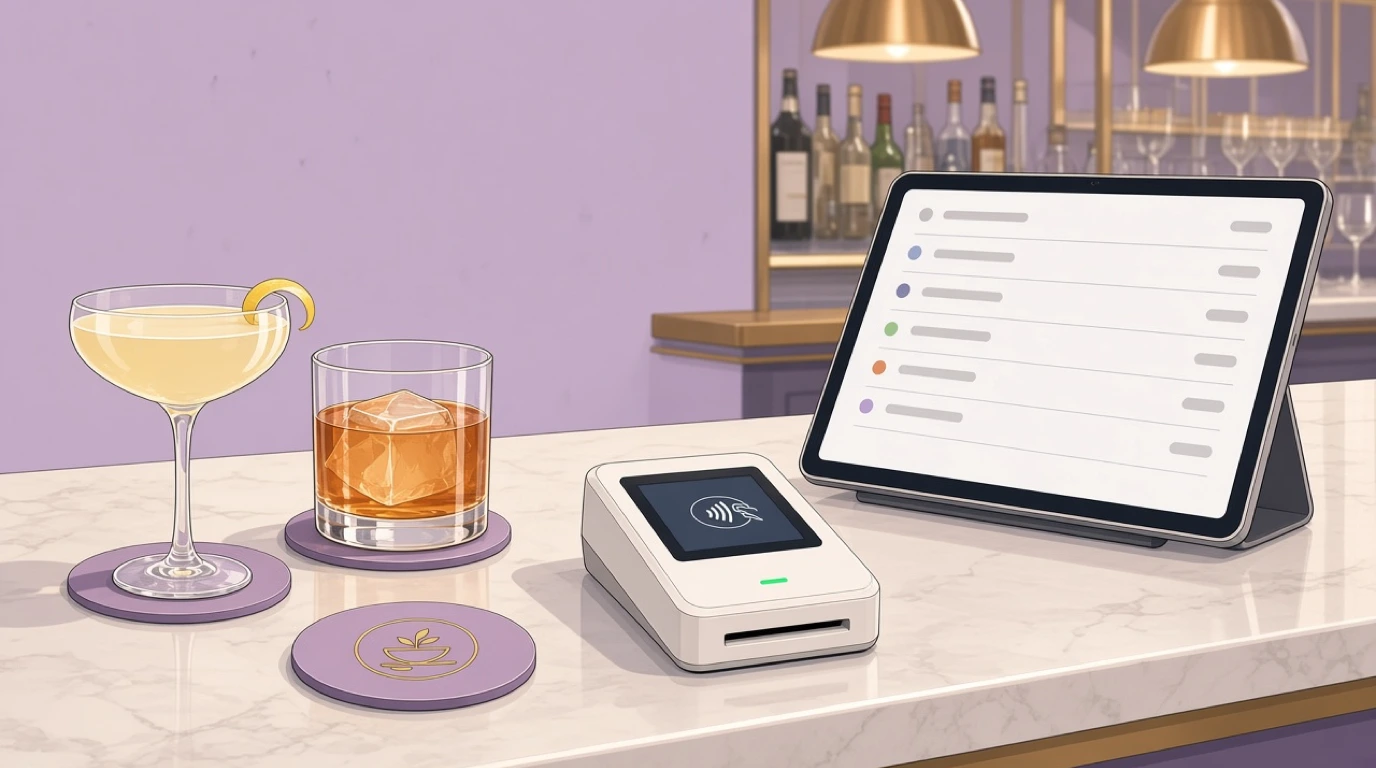
Bar technology earns its keep in three places: speed at the well, control of the inventory, and honesty in the cash flow. The POS comes first, and bars have specific demands: tab management with card preauthorization so the 1 a.m. walkout stops being a business model, fast repeat-round entry, item modifiers that match how bartenders actually build drinks, and offline resilience for the moment the internet dies mid-rush; our guide to bar and restaurant software covers the selection in depth, and the POS cost guide covers the real total price. Integrated payments matter doubly in a bar, where tips, split tabs, and late-night volume make reconciliation mismatches expensive, and processing fees deserve scrutiny at bar volumes.
Inventory control is where bar technology pays hardest: recipe-level tracking that depletes stock with every sale, par levels and reorder alerts per bottle, and variance reports that compare theoretical usage against the weekly count, the report that turns shrinkage from a rumor into a line item with a name on it. Connect procurement so supplier orders, deliveries, and invoices reconcile automatically, and accounting so the nightly totals post themselves. For table-service formats, QR ordering lifts drink reorders measurably, the second round that arrives because tapping is easier than flagging. Set the reporting up before opening: the first month's data tunes the list, the staffing, and the ordering, but only if it is captured cleanly from night one.
Step 11: Hire and train the team
The bar staff is the product in a way kitchen staff never quite is: guests come back for the bartender who remembers their drink as much as for the drink. Hire the lead bartender or bar manager 6 to 8 weeks out, they will shape the list, the specs, and the culture, then build the roster from the schedule backward: bartenders, barbacks, our barback guide covers why that role makes or breaks busy nights, servers for table formats, and door staff for late-night formats, where a professional, calm door presence is both a legal safeguard and the first impression. Set the compensation structure in writing before the first hire, including how tips and service charges flow and pool, because pay confusion kills bar teams faster than slow nights; the full playbook is in our hiring and retention guide.
Training for a bar has a compliance layer restaurants do not carry at the same intensity: responsible service certification where mandated, ID-checking drills with the fakes they will actually see, intervention procedures for intoxicated guests, and incident documentation habits, the written record that protects the license when a night goes sideways. Then the craft layer: specs and pours to the jigger, POS fluency, and mock services at speed, because a bartender who is smooth at three deep is trained, and one who is smooth at empty is merely promising. Soft-opening nights with friends and family are the dress rehearsal; run them at real pace and debrief every one.
Step 12: Suppliers and inventory control
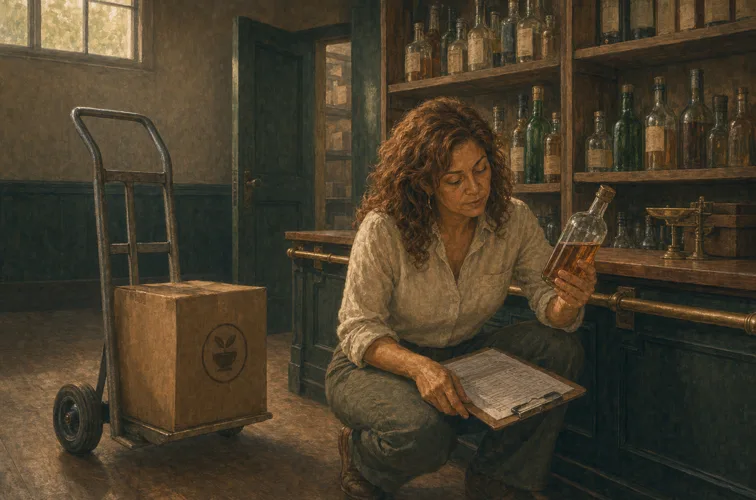
Beverage supply differs from food supply in structure: in many jurisdictions, alcohol distribution is legally tiered, you buy from licensed distributors, sometimes with exclusive territories for specific brands, so the negotiation is less about which vendor and more about terms, allocations, and support. Set up accounts early, credit takes time for new licenses, get price lists in writing, and mind the incentives: volume deals and promotional support are real money, but a cellar full of slow-moving allocation bourbon is capital sleeping on a shelf. For the non-alcohol lines, mixers, produce, ice, glass, the standard procurement playbook applies: two quotes per category, delivery days that match the prep rhythm, and receiving discipline on every case.
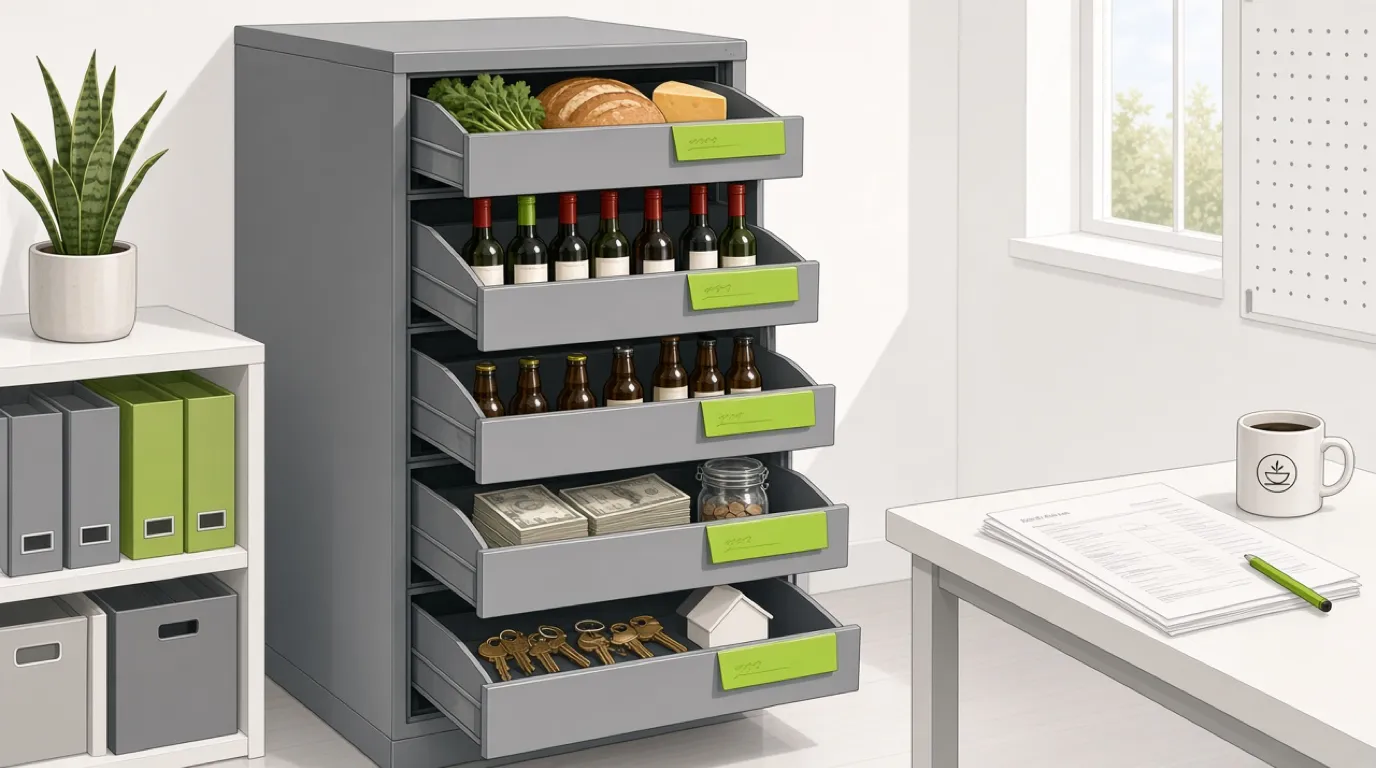
Inventory control is the bar's defining discipline, because the product is liquid, expensive, and beloved by everyone who handles it. The system: opening counts entered before night one, par levels per bottle, measured pours as house law, waste and comp logging with reasons, and the weekly full count that feeds the variance report, actual usage against theoretical, per category, every week, reviewed with the bar manager by name and number. Our inventory management guide covers the mechanics. Expect 2 to 4 percent shrinkage even in honest rooms and treat anything above it as a solvable problem, not a cost of doing business: the bars that count weekly keep the margin that makes the whole business worth opening.
Step 13: Market the opening and the first 90 days
Bar marketing starts with being findable and credible before the doors open: claim the Google Business Profile the day the lease is signed, hours, photos, the story, because local search and maps are where the after-work crowd decides; build the social presence on the build-out story, the bar top arriving, the first pour tests, the staff tastings, months of honest content that costs nothing; and seed the neighborhood: introduce yourself to the surrounding businesses, their staff are your weeknight regulars in waiting. Sequence the opening like a rehearsal schedule: friends-and-family nights, a quiet week at full function, then the announced opening with local press and a reason to come that is not a discount, a signature drink, a story, a band, because a bar that opens on discounts anchors itself at cheap.
The first ninety days are calibration at bar pace: watch the KPI dashboard weekly, sales against break-even by daypart, pour cost and variance, labor percentage, and the review scores that compound into the room's reputation. Kill the cocktails nobody orders, retime the happy hour to the neighborhood's actual rhythm, adjust the schedule to the nights as they really are, and build the regulars machine: remembered names, remembered drinks, and a loyalty program where the format suits it. Bars are neighborhood infrastructure; the ones that last are the ones that measure like a business and feel like a living room, and the systems you built in the preceding twelve steps are exactly what buys the owner the freedom to stand at the end of the bar and be the host the room came for.